A data center in Malaysia, known as A201, is preparing to open next year with hundreds of millions of dollars in Nvidia’s most advanced artificial intelligence servers. While the facility is intended to supply computing power to a Chinese tech giant, the arrangement is currently legal because it sidesteps U.S. rules that ban the direct sale of cutting-edge chips to Chinese firms.
The Southeast Asia Loophole
The United States began banning exports of Nvidia’s advanced chips directly to China in late 2022 to prevent Beijing from cracking American encryption or designing new weapons. However, Chinese firms can currently bypass these restrictions by renting the chips in data centers located in countries like Malaysia, Indonesia, or Thailand.
This arrangement is viewed by many in Washington as a harmful loophole. While some argue these sales help maintain U.S. leadership in technology, others in the administration have pushed to clamp down on these indirect avenues to Chinese customers.
“The company operating the data center is a client of Cantor Fitzgerald, the financial services firm formerly led by Howard Lutnick, the commerce secretary, who handed off leadership of it to his sons.”
— Lutnick Pushed to Weaken Chip Rules That Overlap With His Family Business
Internal Policy Debates
The Trump administration is currently divided over how aggressively to limit chip sales to Southeast Asian data centers. 'China hawks' argue these centers allow Beijing to perform an 'end run' around existing bans, while other officials, most notably Commerce Secretary Lutnick, argue against overly restrictive controls.
Lutnick has advocated for a less stringent version of the rules currently under consideration. This proposal would move away from a global ban and instead apply regulations to a specific list of countries, including Singapore, Malaysia, Thailand, Indonesia, Brazil, South Africa, and Norway.
Overlapping Business Interests
The scrutiny surrounding Lutnick's policy stance stems from his ties to Cantor Fitzgerald, the financial services firm he led for decades before handing leadership to his sons. Cantor Fitzgerald served as a designated sales agent for an equity offering of up to $1 billion by Bitdeer, the firm operating the A201 data center.

This image illustrates the transition of leadership at Cantor Fitzgerald to Lutnick's sons, which is central to the conflict of interest claims.
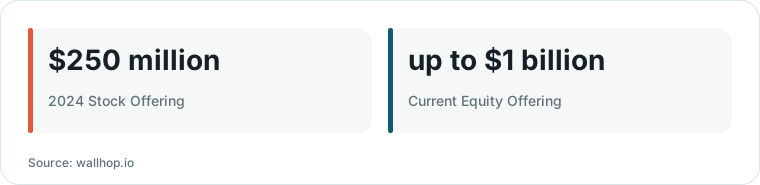
Chart drawn by HN Digest from figures reported by wallhop.io; values are shown as written in the source.
While the Commerce Department states that Lutnick has complied with all ethics agreements and that these dealings represent a small portion of Cantor's diverse business, the overlap remains a point of contention. Critics argue that his role in shaping technology export rules creates a potential conflict of interest regarding national security.
What Hacker News readers are saying
- Skeptical: One commenter argued that the overlapping business interests are barely a tangent to the firm's overall operations and suggested that a background in financial services could be seen as a qualification for the role. comment ↗
- Skeptical: Another reader pointed out that the article's framing was selective, noting that the text describes the overlapping relationships as a significant indication of potential conflicts of interest. comment ↗
- Skeptical: Several commenters expressed concern over the lack of blind trusts or divestments, arguing that even a small benefit to a portfolio should be viewed as a significant conflict of interest. comment ↗
Summarized opinions from the Hacker News thread, not verified facts. Read the full discussion ↗