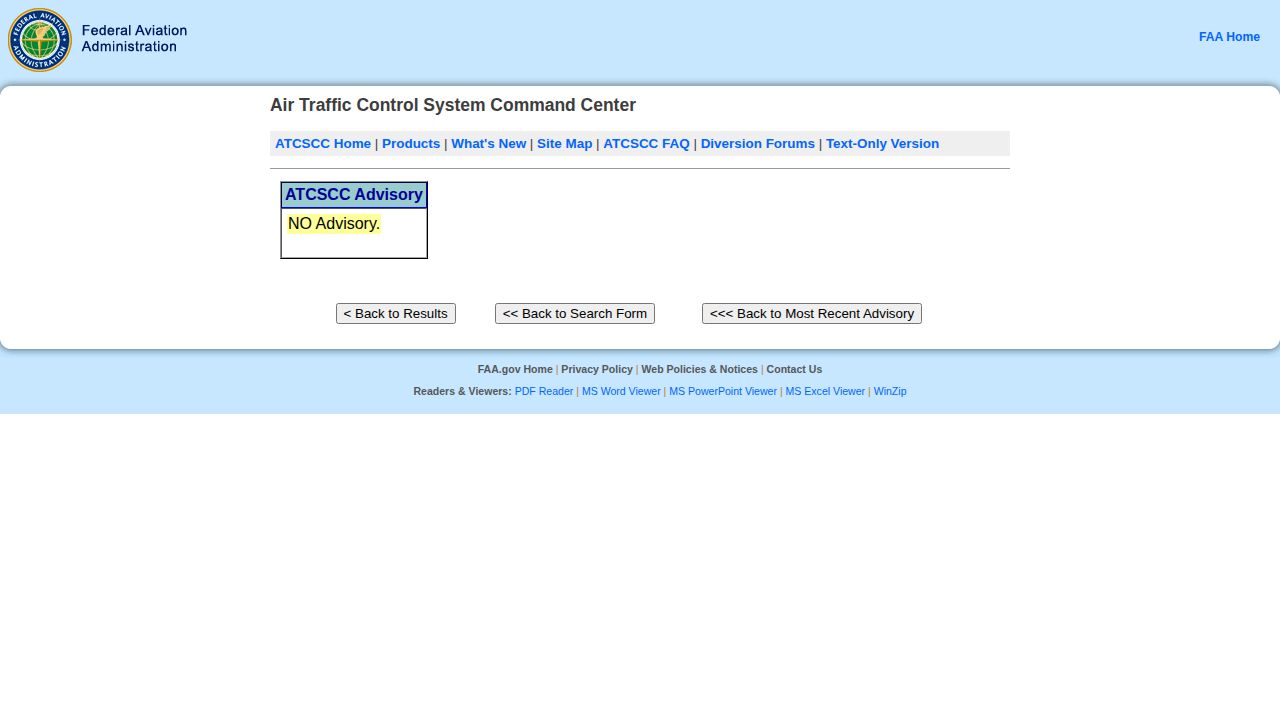
The FAA issued a national ground stop effective at 2:54 PM Central Time on November 13, 2026, ordering all departing aircraft to remain grounded until further notice. This order, issued by the Federal Aviation Command Center, was prompted by 'extraordinary circumstances' and 'reasons of safety' that have disrupted the National Airspace System (NAS).
The Scope of the Ground Stop
The FAA's national ground stop order mandated that all departing traffic remain grounded until further notice. While departing flights were halted, the FAA noted that inbound international flights would be managed on a case-by-case basis.
Specific airports were identified as being closed or experiencing significant outages. These included Los Angeles and Las Vegas, while O'Hare and Midway were listed as having outages due to equipment failure.
Technical Failures and Management Tactics
The disruption was linked to a nationwide communications failure and equipment outages. To manage the flow of aircraft during the outage, the FAA implemented extended flight plan drop times of 240 minutes for all enroute centers.
Users within the National Airspace System were also issued a nationwide airborne holding message. This message advised that users could expect airborne holding to any and all airports within the NAS due to the ongoing equipment outages.
Discussion and Infrastructure Context
Commenters on Hacker News discussed various theories regarding the cause of the outage, with some suggesting a power outage connected to a critical fiber connection or a potential cyberattack. One commenter noted that the FAA's web operations team reported experiencing 'technical difficulties' during the event.
The incident occurred against a backdrop of a massive government effort to overhaul outdated air traffic control technology. Reports indicate that while $12.5 billion was approved last year, an additional $30 billion is being sought to complete the overhaul of the systems that controllers rely on.
Uncertainties and Passenger Impact
The FAA's public advisories did not specify the exact nature of the 'extraordinary circumstances' causing the communications failure. This lack of detail led to various interpretations of the situation, including questions about whether the outage would affect commercial space launches.
Passengers on the ground reported being unable to deplane even after landing at certain airports. The specific reasons for these restrictions, beyond the general communications and radar issues, remain unclear from the provided advisories.