Unlike traditional AI image generators that produce a final pixel array, Klad treats every brush stroke, pressure point, and color as persistent data. This architectural choice allows a coding agent to execute specific commands—such as painting a 'sprout creature' with thousands of individual strokes—while a human user watches the strokes appear in the editor and manually adjusts specific elements like the curve of a mouth or the color of a leaf.
Data-Driven Painting vs. Pixel Generation
Most AI art tools function by generating a flat image where the only way to iterate is to 'reroll' the prompt. Klad shifts this paradigm by maintaining a folder of plain files on the user's computer that represent the drawing as a collection of strokes and shapes.
Because the drawing is data, a coding agent can interact with it using a CLI to perform specific actions, such as 'klad stroke art.klad l4 --brush oil'. This allows the agent to contribute to a shared history where every change is a discrete step that can be undone or modified by the human partner.
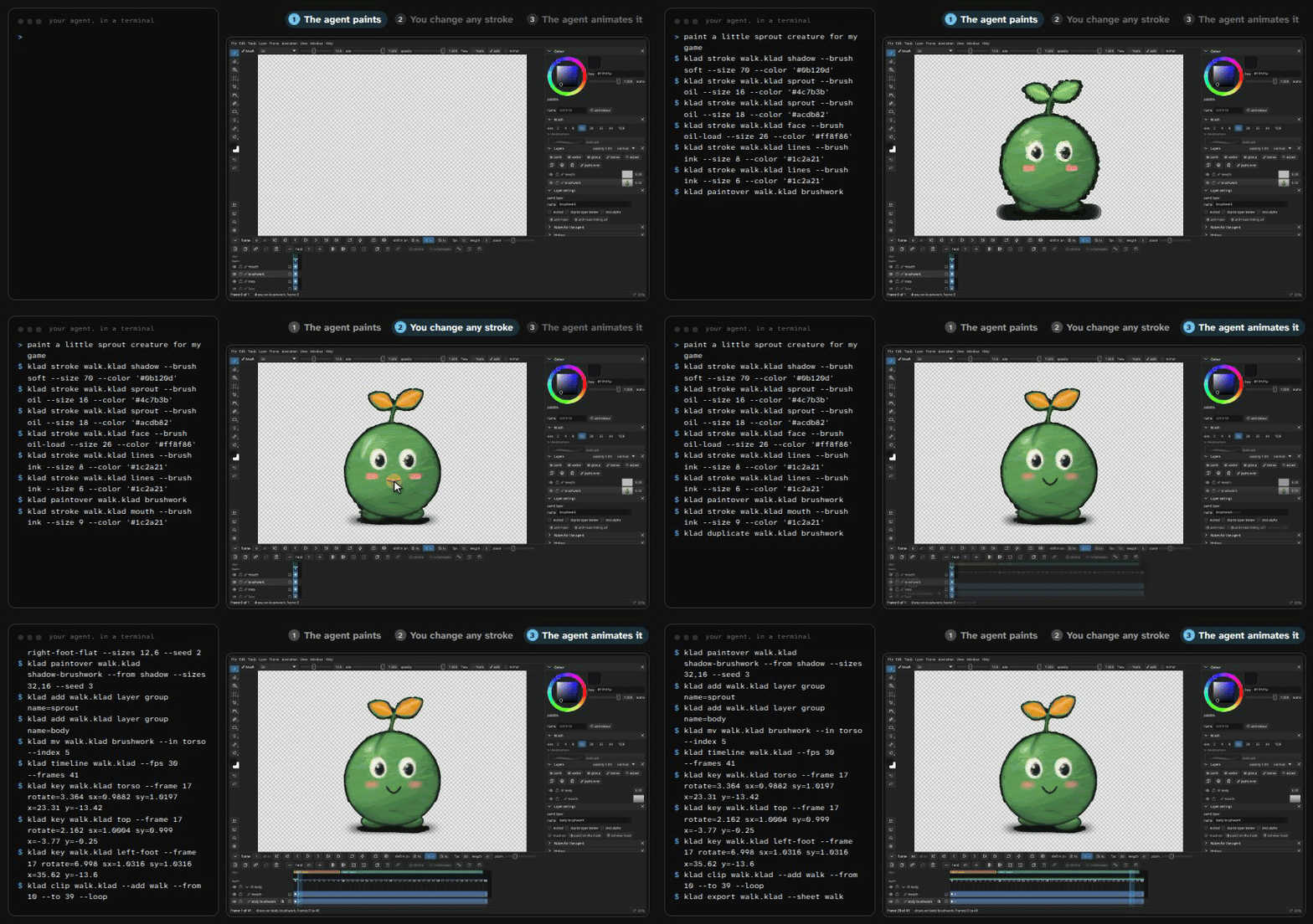
This visual illustrates the core concept of the application: a coding agent executing commands to generate strokes while a human interacts with the resulting data in the editor.
“An image generator hands you pixels, and the only edit left is another roll of the dice. klad keeps every stroke and every fill as data: where it went, how hard it was pressed, its brush and its colour.”
— GitHub - klad-app/klad: A drawing app built for agent/human collaboration
Human-Agent Interaction Workflow
The collaboration workflow is designed to be conversational and visual. A user can tell an agent to paint a specific object, like a lantern, and the agent will execute the commands to render it. If the result is slightly off, the user can 'pin' a note on the canvas to give the agent specific feedback or simply take over the brush to manually correct the strokes.
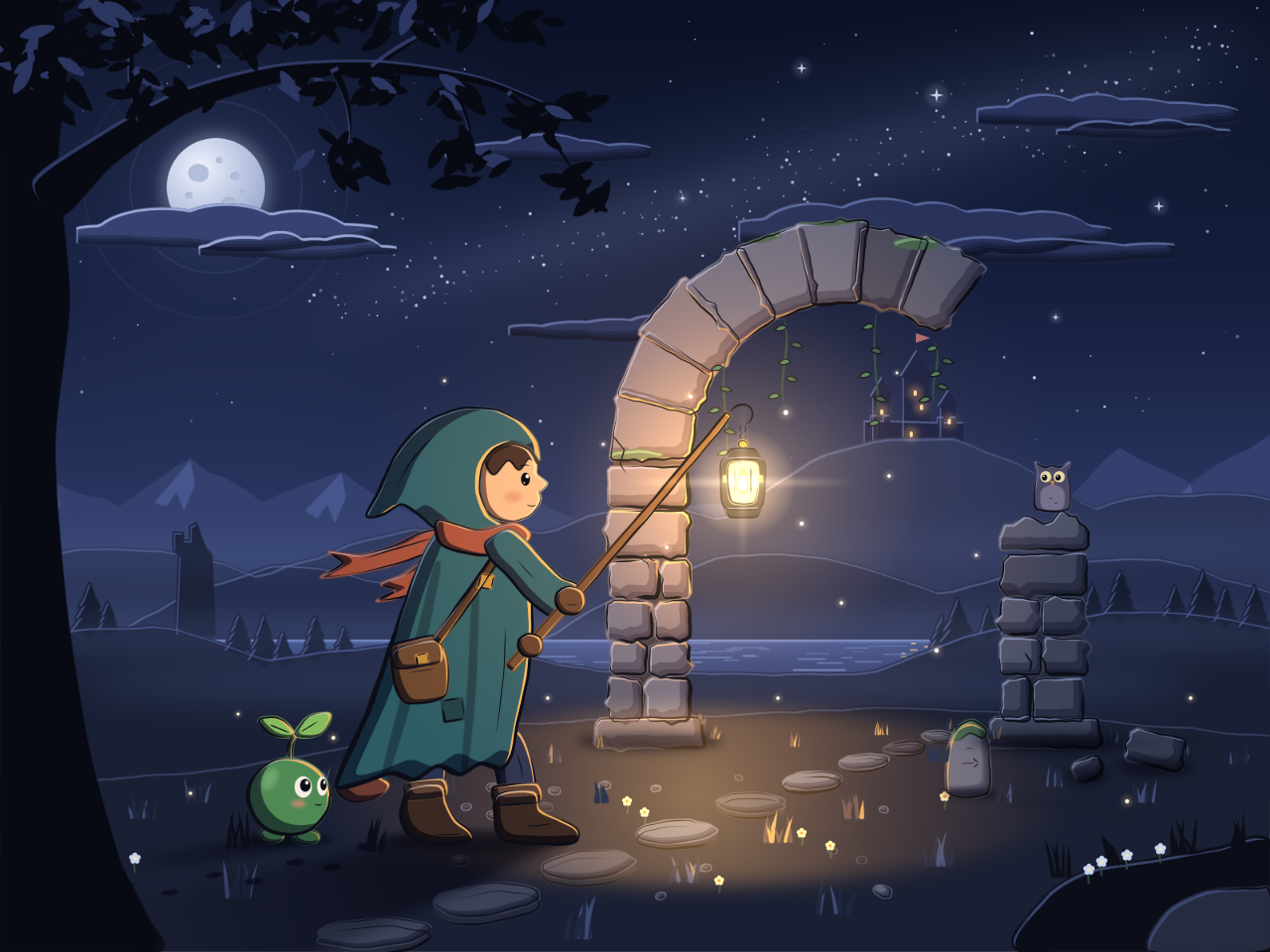
This image serves as a concrete example of the artistic results achievable through the tool's collaborative workflow.
The system supports complex artistic features such as layers, masks, and clipping. Even advanced effects like smudges are treated as strokes; if a user moves a smudge, the software recalculates how the paint blends with the underlying layer, ensuring the artistic integrity of the work remains intact.
Game Development and Animation
Klad includes a full animation suite with a timeline, onion skins, and bone rigging with inverse kinematics (IK). It is specifically tailored for game assets, allowing users to create characters and props that can be exported as sprite sheets or directly into Godot as SpriteFrames.
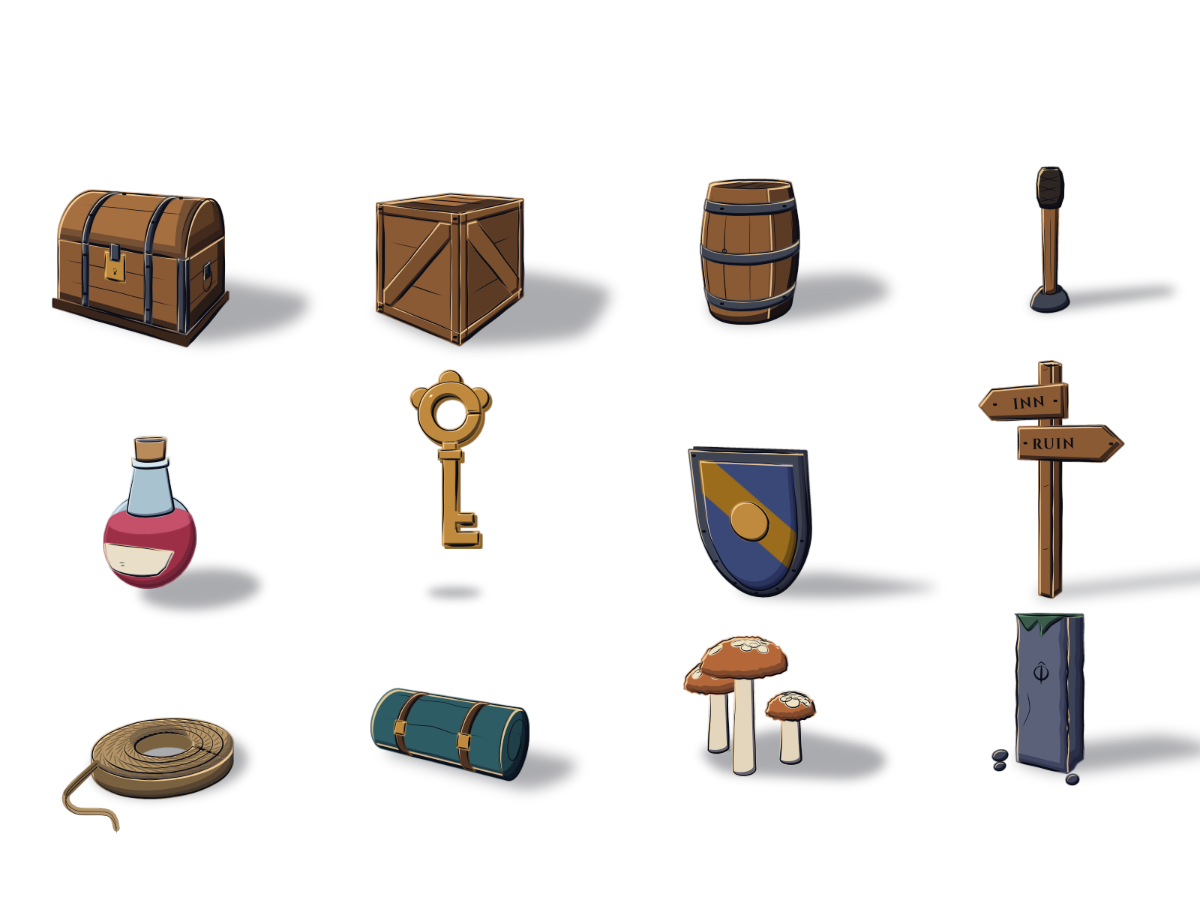
This image demonstrates the tool's specific optimization for game development and its ability to produce exportable assets.
For animation, the tool can generate 'in-betweens' from key drawings. It checks for physical consistency, such as ensuring a foot doesn't slide through the ground, and exports the finished clips while maintaining the original stroke data.
Current Limitations and Availability
The project is currently in an early state and requires users to build it from source. While it supports macOS pen pressure and tilt, the Linux version currently defaults to mouse input, and Windows support is still being tested.
The software currently lacks some standard illustration features, such as snapping, grids, and SVG import/export. It is available under a source-available license, which is free for personal use and for companies with less than 500,000 euros in annual revenue.
What Hacker News readers are saying
- Open question: One commenter questioned how the tool differs from simply having an agent generate SVG code. comment ↗
- Experience: A user who tested the tool reported that while it is early in the development of LLMs for painting, the process feels similar to the evolution of AI coding over the last few years. comment ↗
- Experience: The developer shared that generating complex scenes can take between 10 to 15 minutes of AI work, which they noted feels comparable to the time a model takes to code a medium application feature. comment ↗
- Skeptical: One commenter expressed concern that treating every brush stroke as discrete data could become very token-costly. comment ↗
Summarized opinions from the Hacker News thread, not verified facts. Read the full discussion ↗