By 1965, the United States had one telephone for every four people, a figure that had tripled in just two decades following World War II. This rapid adoption transformed the telephone from a technological curiosity into a universal appliance that fundamentally altered human interaction by allowing voices to be disembodied and transmitted across vast distances.
From Physical Runners to Disembodied Voices
Before the telephone, human communication relied on physical movement, such as runners, horses, and eventually the telegraph. While the telegraph was a significant milestone, it could not carry a real conversation, which was the primary goal of the telephone's inventors.
Alexander Graham Bell's 1876 invention changed this by allowing the human voice to be sent across distances. The telephone was not the result of a single visionary flash but was shaped by the people who used it, evolving from a luxury into an ordinary necessity that bridged towns and countryside.

This image illustrates the physical device that transitioned from a technological curiosity to a universal appliance.
“The paradox of the telephone was its plainness, its tendency to hide in the background while changing everything around it.”
— How the Telephone Changed the World
The Bell System and the Architecture of Progress
AT&T, known as the Bell System, functioned as a massive commercial enterprise that held more capital than many nation-states. The company actively shaped the public's perception of the device, sponsoring articles and instructional films like 'We Learn About the Telephone' to teach children proper etiquette.
The company marketed the telephone as a 'Sign Board of Civilization,' arguing that every new subscriber added value to the network. This business model suggested that the telephone unified the nation by softening regional differences and bringing the entire country into the same 'instant of progress.'
Societal Shifts and the Paradox of Plainness
The telephone's primary paradox was its tendency to hide in the background while changing everything around it. It enabled the growth of cities and suburbs by removing the need for proximity, effectively reshaping the physical fabric of modern life.
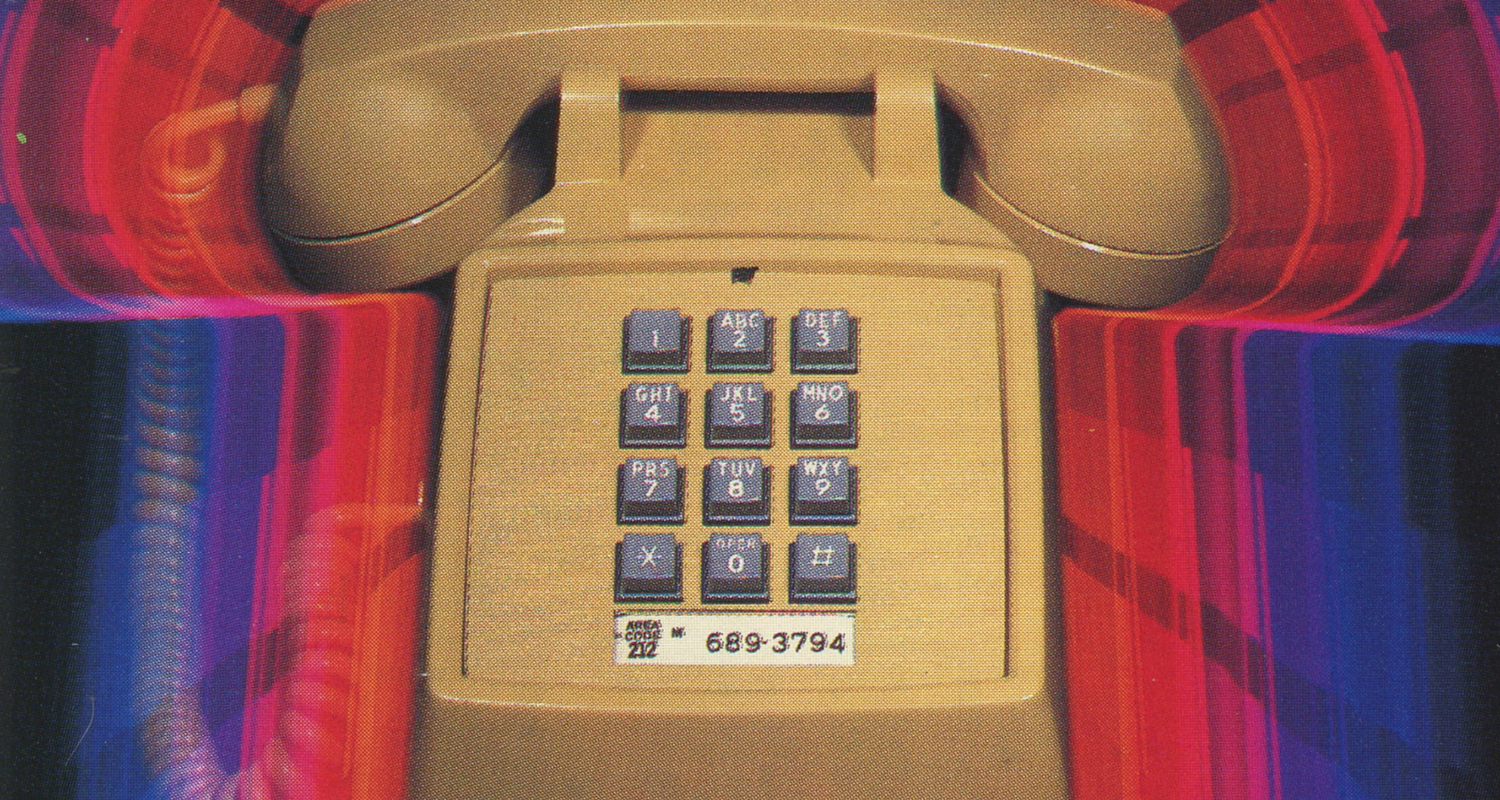
This visual supports the discussion of the telephone's 'plainness' and its role in shaping social etiquette.
While the technology became so ubiquitous that it felt invisible, it simultaneously forced a radical shift in human behavior. It created a 'wired collective' where public intelligence and private gossip could mingle, fundamentally altering the human psyche and the way people interacted with their environment.
Limits of the Technological Narrative
While the telephone's cultural impact is well-documented, the source material focuses primarily on the narrative of the Bell System and the educational efforts of the mid-20th century. Specific data regarding the economic costs of early infrastructure or the technical limitations of early long-distance transmission compared to the telegraph are not detailed in the provided text.
What Hacker News readers are saying
- Alternative: One commenter suggested that the telegraph might have been a more significant milestone than the telephone, though they noted the book's title was likely chosen for marketing purposes. comment ↗
- Alternative: Another reader recommended a different book for those seeking a social history of the telephone, while noting that the current book focuses more heavily on technical aspects. comment ↗
- Experience: One commenter argued that the telephone's direct impact on homes and offices gave it a unique social and economic significance that the telegraph lacked for the general public. comment ↗
- Experience: A commenter pointed out that the book focuses on the impact of the Bell System, which they argued could be seen as more influential than the telegram due to its role in forming modern telecommunications giants. comment ↗
Summarized opinions from the Hacker News thread, not verified facts. Read the full discussion ↗