While frontier AI models can generate functional web code, they often miss critical nuances in accessibility, performance, and security that a human expert would catch. To bridge this gap, Google has released Modern Web Guidance 1.0, a stable set of skills designed to embed web platform expertise directly into agentic development workflows.
Bridging the AI Knowledge Gap
Modern Web Guidance addresses specific areas where AI models frequently fall short, such as keyboard focus management, reduced-motion support, and layout shift prevention. The guidance is designed to steer agents toward native HTML and CSS features, which often perform better and offer better accessibility than custom JavaScript workarounds.
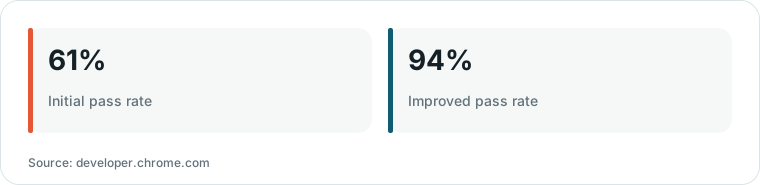
Chart drawn by HN Digest from figures reported by developer.chrome.com; values are shown as written in the source.
The 1.0 release includes a database of hundreds of verified knowledge gaps. Every guide undergoes a human expert review, including a dedicated accessibility review by specialists who test the guidance with real assistive technologies.
“Modern Web Guidance is a set of skills that embed web platform expertise, best practices, and browser compatibility data directly into your coding agents.”
— Modern Web Guidance 1.0: The web platform expertise your coding agent is missing | Blog | Chrome for Developers
Modernization and Workflow Integration
A key feature of version 1.0 is a modernization workflow that scans a project's HTML, CSS, JavaScript, and package.json files. It identifies opportunities to safely upgrade outdated workarounds and polyfills, guiding the coding agent through the necessary changes.
The tool is designed to be model-agnostic, meaning it can be integrated into various agent harnesses and IDEs. It also pairs with Chrome DevTools for agents, allowing the agent to verify its output against runtime metrics like Interaction to Next Paint (INP) or memory leaks.
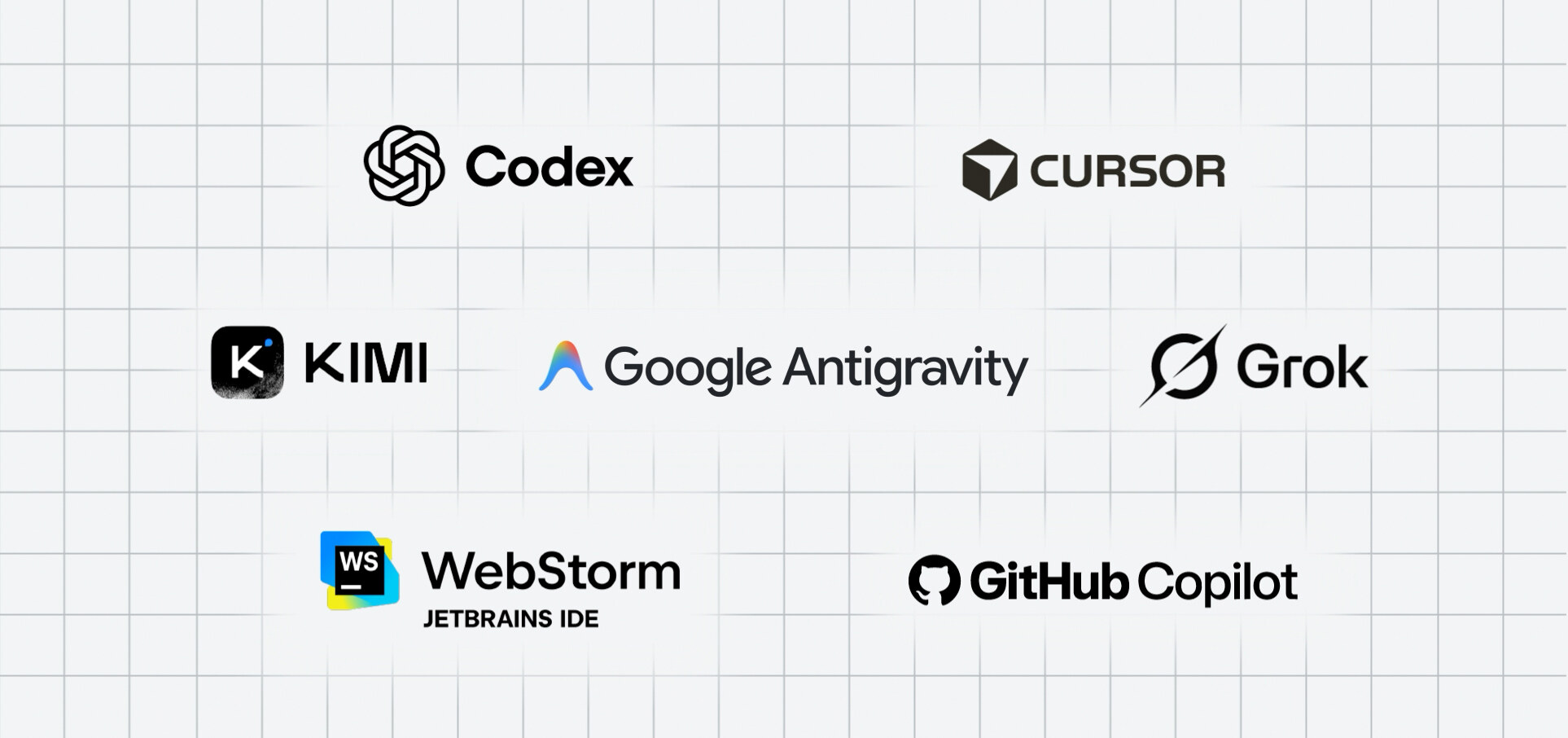
The tool is designed to be model-agnostic, meaning it can be integrated into various agent harnesses and IDEs.
Real-World Impact and Limitations
Companies like WeTV and note inc. have already integrated these tools into their pipelines. WeTV reported that the combination of Chrome DevTools and Modern Web Guidance helped their agent automatically diagnose and resolve 90% of failed performance checks, reducing debugging time from four hours to 30 minutes.
The current modernization workflow relies on static analysis for a limited set of patterns to ensure predictable results. Future iterations plan to include 'agentic audits,' where the agent reasons about the code directly rather than just matching known patterns.