Canadian men currently face a shorter life expectancy of 80 years compared to 84.3 years for women, a disparity driven by a complex mix of biological, social, and economic factors. To address these outcomes, the Government of Canada is developing its first Federal Men and Boys' Health and Well-being Strategy, which aims to create supportive environments and challenge harmful stereotypes that discourage men from seeking medical care.
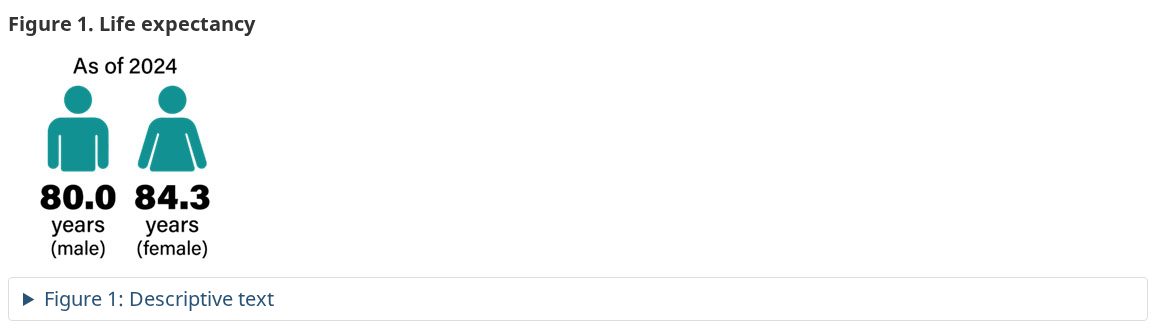
This image visualizes the life expectancy gap mentioned in the opening paragraph of the article.
Addressing Distinct Health Disparities
Men in Canada face a unique set of health challenges, including higher rates of premature death, suicide, and chronic diseases such as diabetes and ischemic heart disease. The government notes that these outcomes are not purely biological; men are also more likely to experience lower education levels, higher rates of incarceration, and homelessness.
Specific groups face even greater barriers to accessing support due to social and economic influences. These include Indigenous men, individuals in the 2SLGBTQIA+ community, and racialized groups, who may face additional hurdles such as systemic racism and colonialism.
“The goal is to create supportive and safe environments, challenge harmful stereotypes, reduce stigma and encourage men of all ages to seek help when they need it.”
— Improving the health of men and boys in Canada - Canada.ca
Barriers to Primary Care and Mental Health
A significant hurdle in improving health outcomes is the tendency of men to delay seeking medical attention. Data shows that 65% of Canadian men wait more than six days with symptoms before visiting a physician, which can lead to poorer management of chronic conditions.
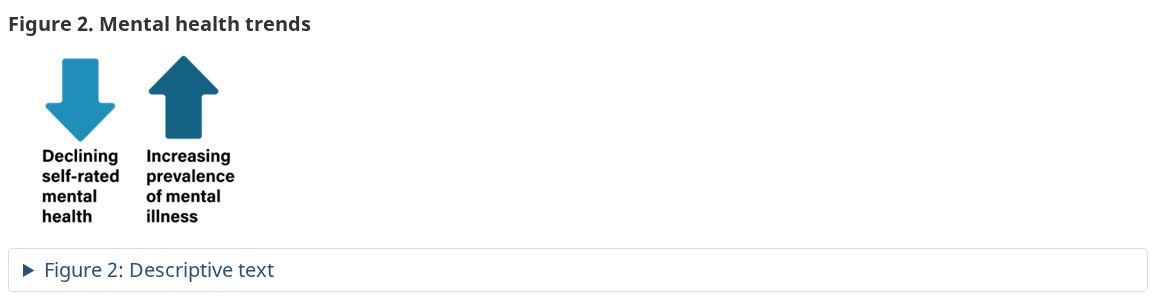
This visual supports the discussion regarding the unique mental health challenges and trends faced by men.
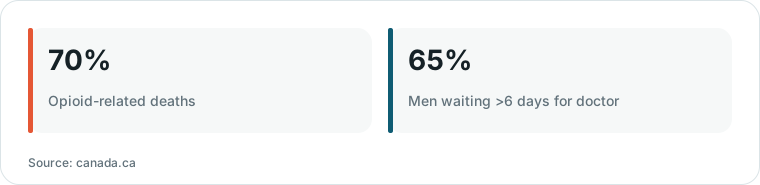
Chart drawn by HN Digest from figures reported by canada.ca; values are shown as written in the source.
The strategy specifically targets the stigma associated with seeking help. It aims to create safer environments where men feel comfortable asking for support regarding mental health, substance use, and addiction, particularly during life stages where support is most needed.
Strategy Development and International Models
The Federal Men and Boys' Health and Well-being Strategy is being shaped by a national conversation that included ministerial roundtables, stakeholder-led regional discussions, and public questionnaires. The goal is to challenge harmful stereotypes and amplify positive examples of masculinity.
To inform the framework, Canada is also analyzing international approaches, including the National Men's Health Strategy from Australia, the National Men's Health Action Plan from Ireland, and the UK's National Men's Health Strategy. The final strategy is slated for release in early 2027.
What Hacker News readers are saying
- Skeptical: One commenter expressed skepticism that a national health report could address the issue, arguing that deep-seated cultural problems require a broader societal shift rather than just government strategies. comment ↗
- Experience: A commenter suggested that men's mental health is tied to legal and systemic issues, citing personal observations of men facing financial and personal ruin due to biased divorce laws. comment ↗
- Skeptical: Another reader pointed out that while women may attempt suicide more frequently, men are statistically more likely to use more lethal methods. comment ↗
- Experience: One commenter argued that men need to take internal responsibility for the issue by having difficult conversations about masculinity and the material conditions of modern society. comment ↗
Summarized opinions from the Hacker News thread, not verified facts. Read the full discussion ↗