While Anthropic's Project Glasswing aimed to identify thousands of high- and critical-severity vulnerabilities, only two of the 442 CVEs attributed to the project have been exploited in the wild so far. This represents a 0.45% exploitation rate, raising questions about the practical impact of the project's findings compared to its initial launch narrative.
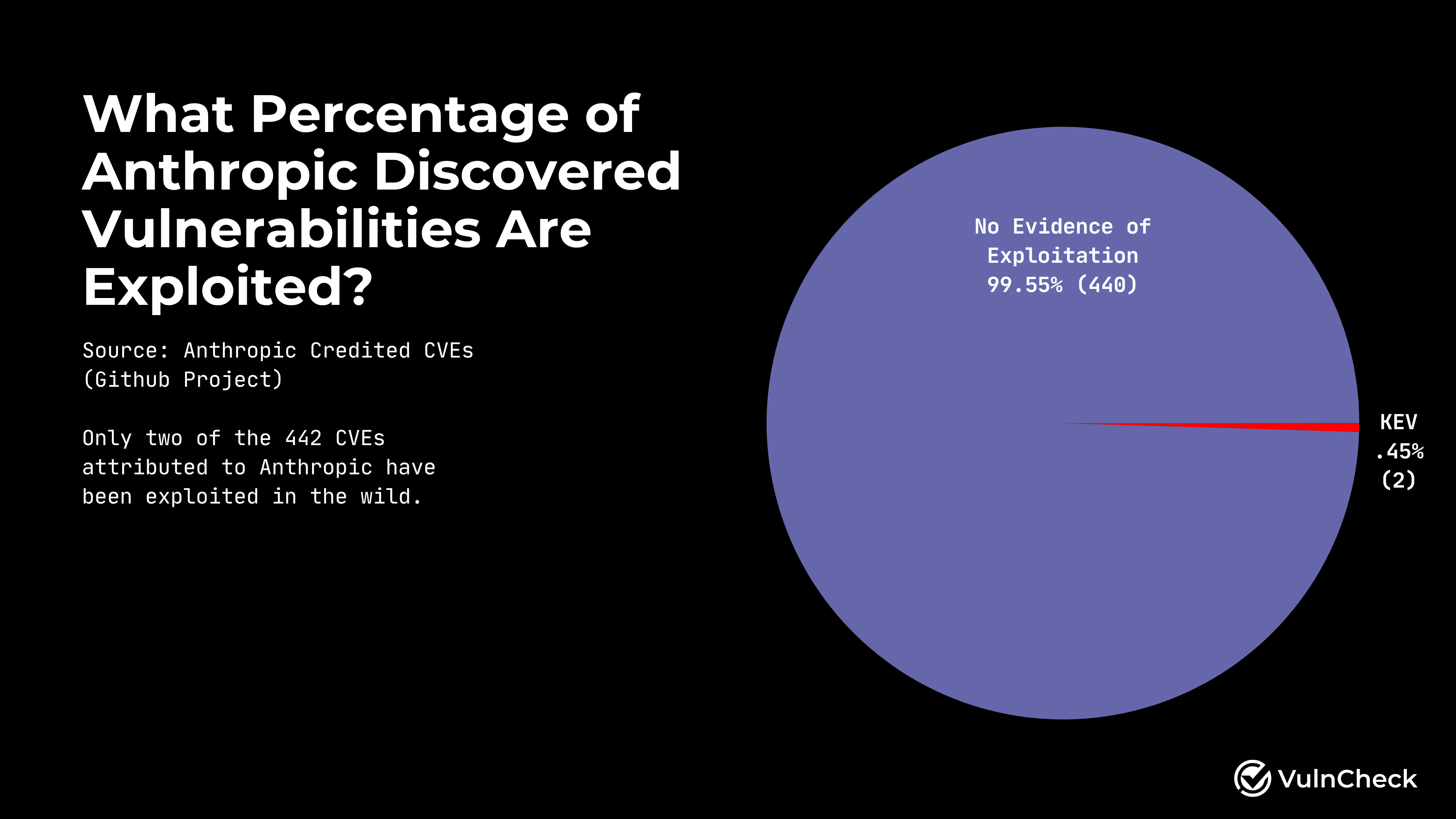
This image illustrates the low exploitation rate (0.45%) of the 442 CVEs attributed to the project.
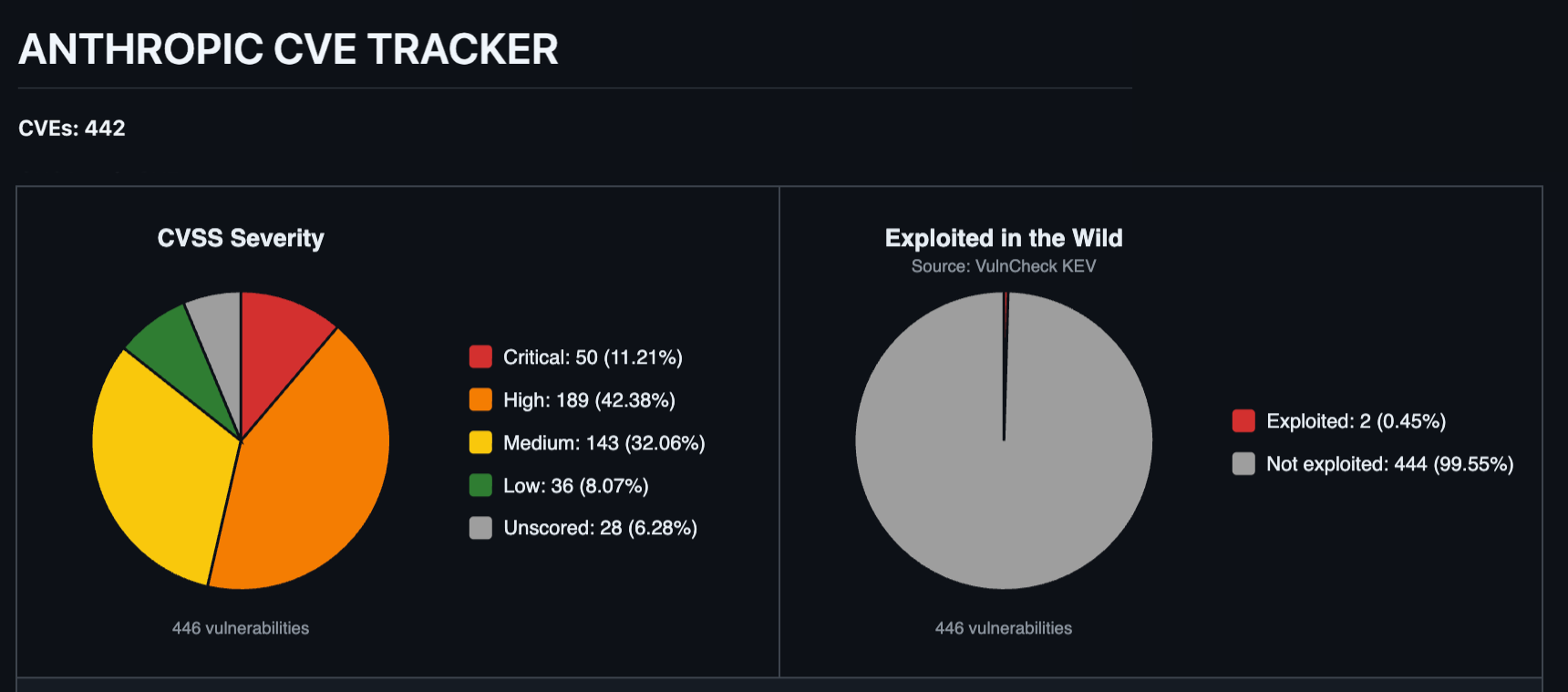
This image supports the discussion regarding the 442 CVEs attributed to the project.
The Gap Between Discovery and Remediation
Project Glasswing launched in April 2026 with the goal of responsibly disclosing thousands of high-severity vulnerabilities. However, the current data shows a widening gap between discovery and actual remediation. Of the 37,966 findings reported by Anthropic, only a small fraction have transitioned from discovery to a public fix.
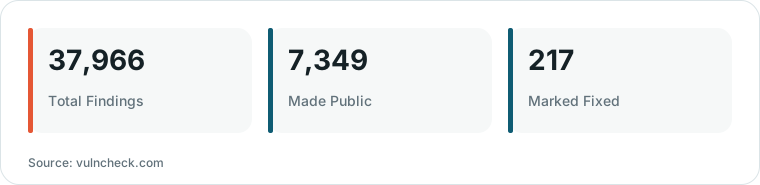
Chart drawn by HN Digest from figures reported by vulncheck.com; values are shown as written in the source.
Between September and November, the project's ledger grew by nearly 12,000 findings, yet only 15 new fixes were recorded. During this same period, the number of findings marked as duplicates rose from two to over 1,600, suggesting that many findings are being identified by others or are redundant.
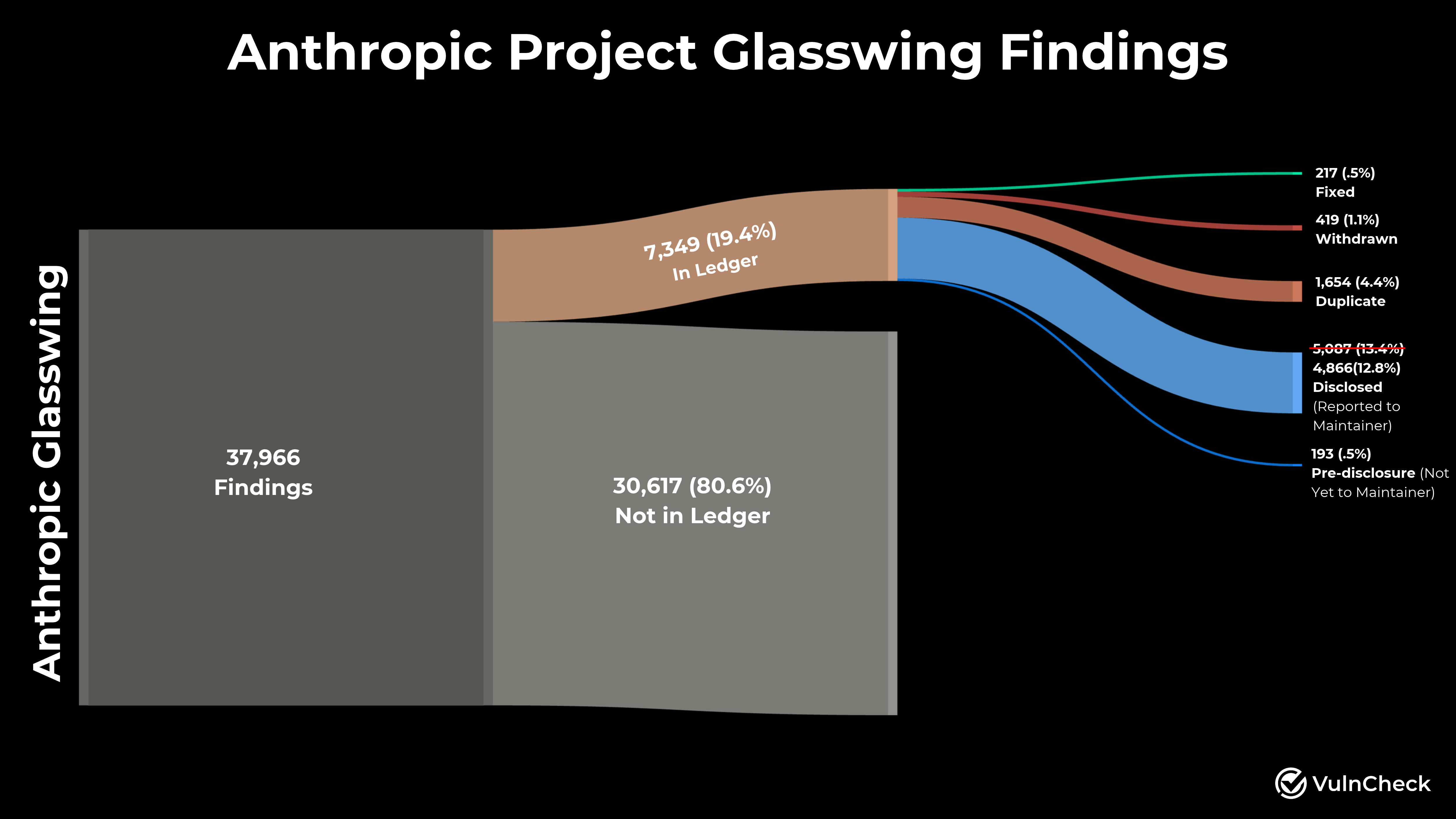
This image visualizes the widening gap between discovery and remediation described in the ledger data.
“In two months, Anthropic added nearly 12,000 findings and fixed just 15 more.”
— After 7-months, Glasswing Overwelms Maintainers with Underwhelming Findings | Blog | VulnCheck
Impact on Open Source Maintainers
To manage the bottleneck of human validation, Anthropic launched an OSS Scanner that allows projects to opt into self-service triage. This shifts the burden of verifying model-generated reports directly onto the maintainers of the affected software.
A real-world test by the 'curl' project highlights this burden. Out of 34 reports published by the scanner, 19 were determined not to be vulnerabilities, and 6 were confirmed as low severity. This high false-positive rate requires maintainers to spend significant resources triaging reports that do not pose high-impact risks.
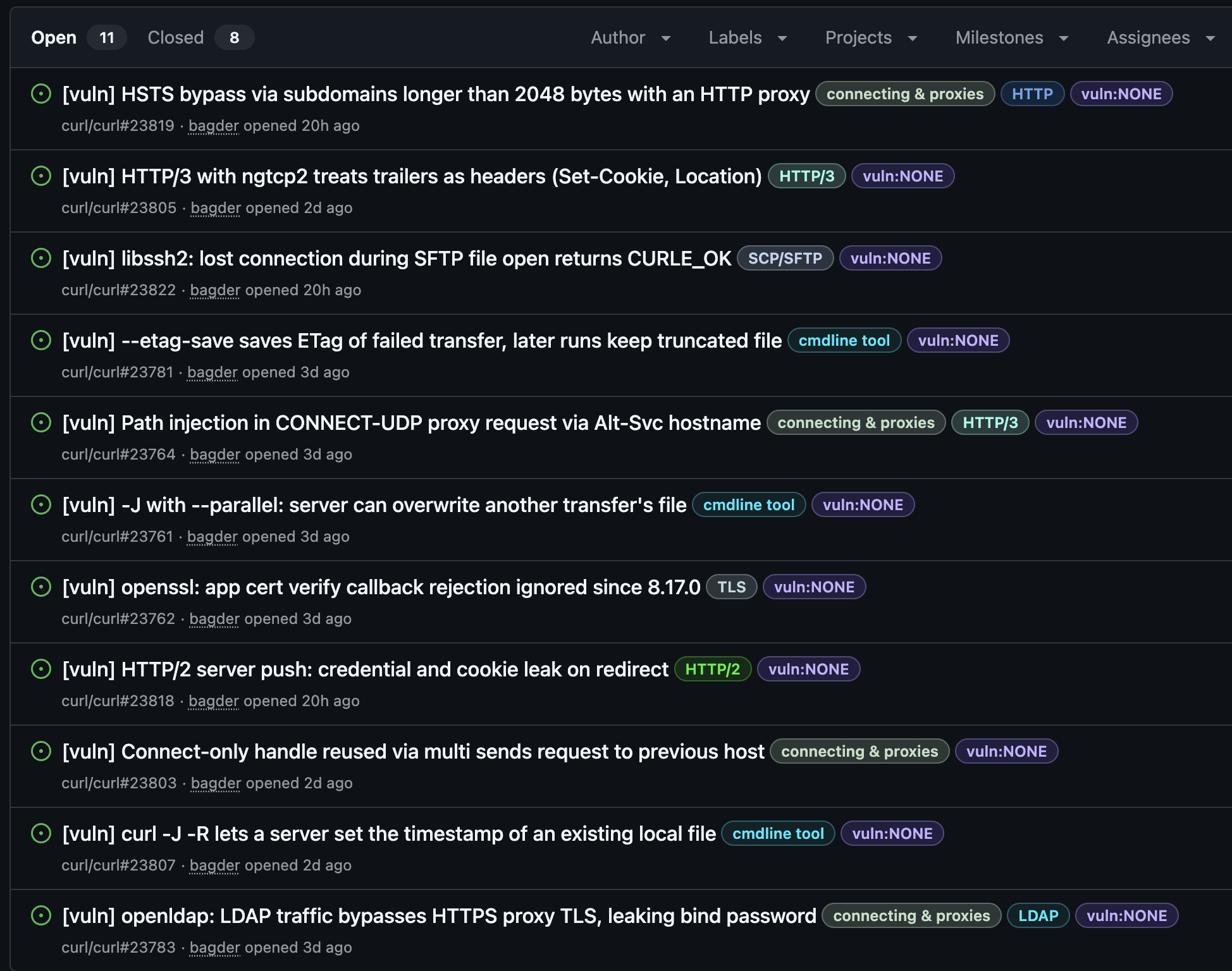
This image provides visual context for the 'curl' project's validation of the OSS Scanner.
Discrepancies in Severity and Accuracy
There is a notable discrepancy between how Anthropic's models rate vulnerabilities and how maintainers perceive them. In previous months, Claude rated 91.5% of ledger findings as critical or high, while maintainers rated only 51.3% of those findings at the same severity level.
Furthermore, while Anthropic's claimed true positive rate increased to 94.2%, the simultaneous rise in withdrawn and duplicate findings suggests a potential feedback loop in how 'True Positives' are calculated. It remains unclear if the 80% of findings not yet made public are withheld due to lack of a fix, lack of validity, or other factors.
What Hacker News readers are saying
- Alternative: One commenter argued that the data only reflects a small subset of public vulnerabilities, suggesting that the analysis might be flawed because it doesn't account for findings still under embargo. comment ↗
- Skeptical: Several commenters expressed skepticism regarding the article's conclusions, noting that the statistics might actually suggest the opposite of the author's claims or that the findings are closely aligned with a specific company's business model. comment ↗
- Skeptical: Another reader expressed concern that if AI is significantly better at finding vulnerabilities than fixing them, it could make securing systems much more difficult. comment ↗
Summarized opinions from the Hacker News thread, not verified facts. Read the full discussion ↗