DATE ARCHIVE
2026-10-27
Articles published on 2026-10-27.
The Shift to Agentic Oversight: Maintaining Software Ownership in the Era of AI Agents
As AI agents increasingly generate and manage software, the role of the human engineer is shifting from manual authorship to high-level oversight. Maintaining 'ownership' of a system now requires a balance of fundamental computer science knowledge, a broad conceptual map of the system's architecture, and the ability to perform 'just-in-time' deep dives into agent-generated code to resolve complex failures.
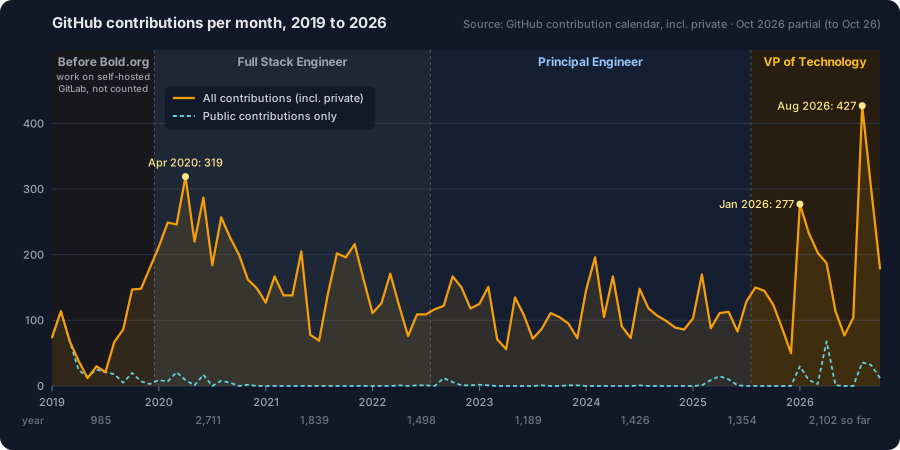
The Paradox of AI Productivity: Why Lowering Implementation Costs Can Increase Workload
While AI agents were expected to reduce engineering workloads by automating boilerplate, some developers find that lowering the 'cost' of implementation removes natural friction, leading to a higher volume of tasks and a more taxing cycle of constant context-switching.
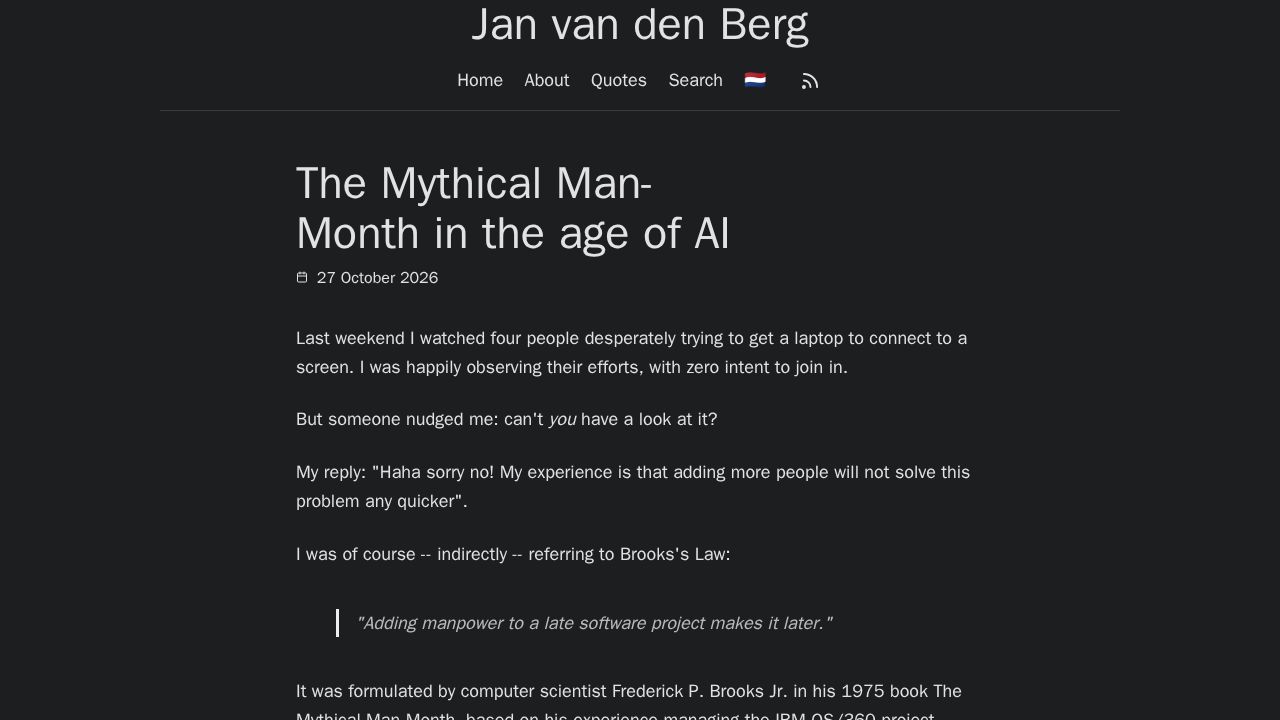
The Mutation of Brooks's Law in the Age of AI
While AI agents eliminate traditional human bottlenecks like onboarding and office politics, the principle that adding more resources to a late project makes it later has mutated into a new risk: producing the wrong answer faster due to poor orchestration.
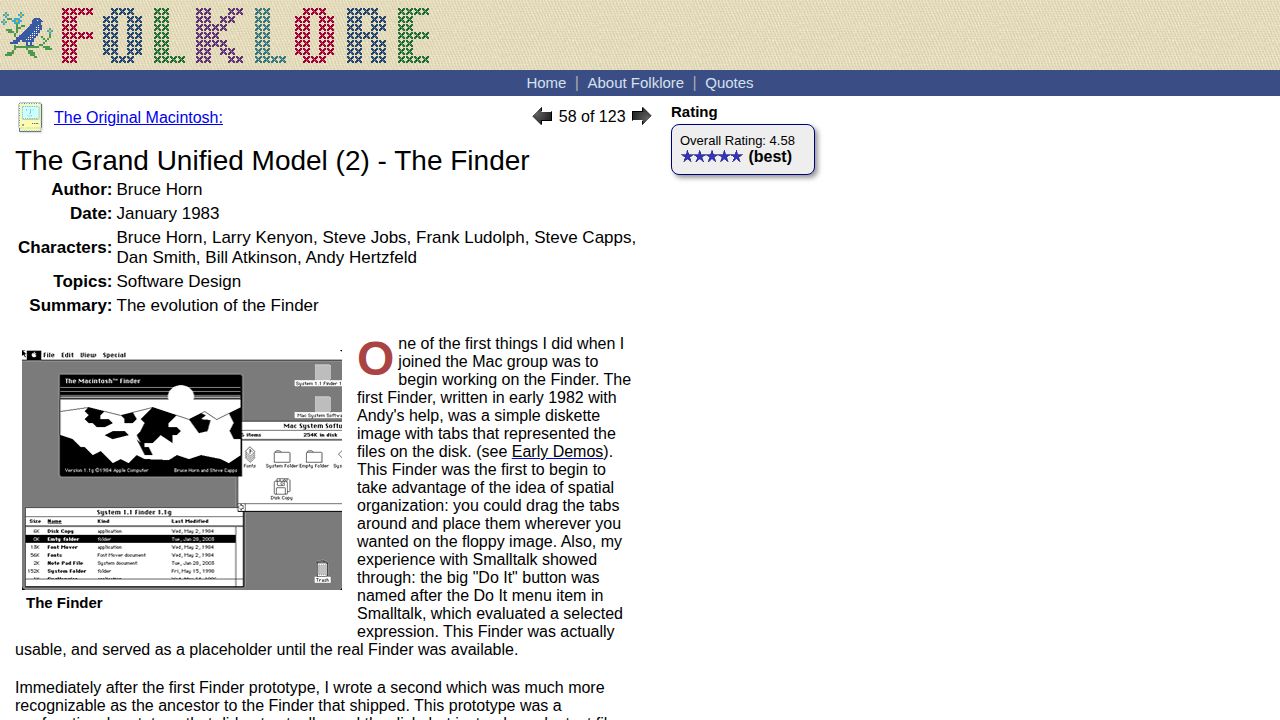
The Evolution of Software Quality: From Fragile Systems to Modern Complexity
While modern software is often criticized for being bloated or slow, it operates on a foundation of reliability that was absent in the early era of computing. Historical software was frequently plagued by frequent system crashes, data loss from lack of autosave, and hardware-specific limitations that forced developers into unique workarounds.

Scientists Recreate Ancient Roman Recipe for Color-Shifting Lycurgus Cup
Researchers at the University of Sheffield have successfully replicated the 1,600-year-old recipe for the Lycurgus Cup, a Roman glass masterpiece that shifts from green to red depending on the lighting.
Artificial Analysis Releases Intelligence Index v5 and Progress Index v1
Artificial Analysis has updated its composite intelligence benchmark to version 5, featuring a shift toward private datasets and new agentic evaluations. Alongside it, the company launched a Progress Index v1 to track model capabilities on a single continuous scale over time using item response theory.

Anthropic Settlement Over Pirated Books for Claude Training
A federal judge ruled that Anthropic illegally pirated books from Stanford professors to train its Claude models, leading to a $1.5 billion settlement. While the ruling banned the creation of a permanent library of pirated works, it characterized the actual training of large language models (LLMs) as 'fair use,' creating a complex legal distinction between how data is acquired and how it is processed.

AI-Generated 'Wikis' Flood Search Results and Disrupt Gaming Communities
Generative AI tools are being used to mass-produce inaccurate fan wikis that compete with legitimate community-run resources for search visibility, leading to a 'whack-a-mole' struggle for accurate information and increased operational strain for volunteer maintainers.