DATE ARCHIVE
2026-09-20
Articles published on 2026-09-20.

Why Muni’s heritage weekend is also a lesson in keeping century-old streetcars operational
Muni Heritage Weekend turns San Francisco’s transit history into working equipment, not static exhibits. The 2026 event brought back vehicles ranging from a 1912 pioneer to an Australian tram, while the long restoration of car 162 shows the specialist labor, rare parts, and operational decisions behind preserving transit history.
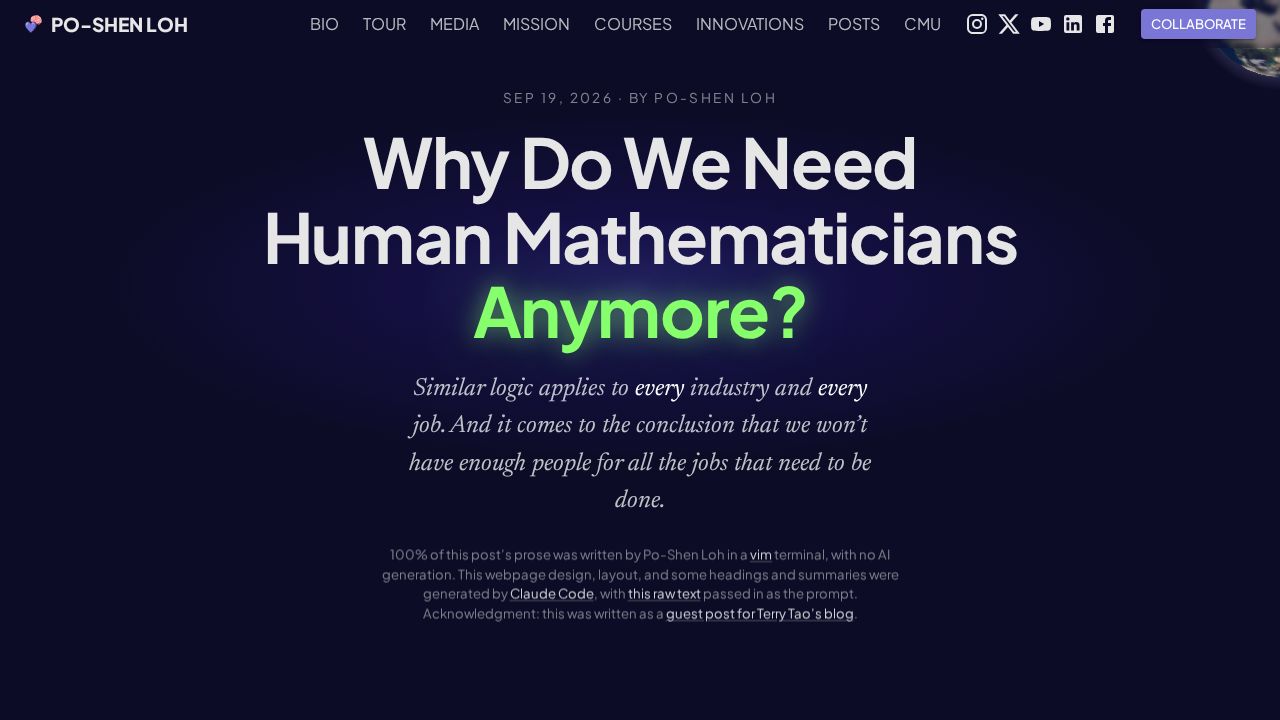
Why Human Mathematicians Still Matter in an Age of Superhuman AI
Po-Shen Loh argues that AI may expand rather than eliminate the need for human expertise by multiplying the decisions that require accountable oversight. His case is a governance argument about steering, not proof that AI will create a labor shortage or that human control can be guaranteed.
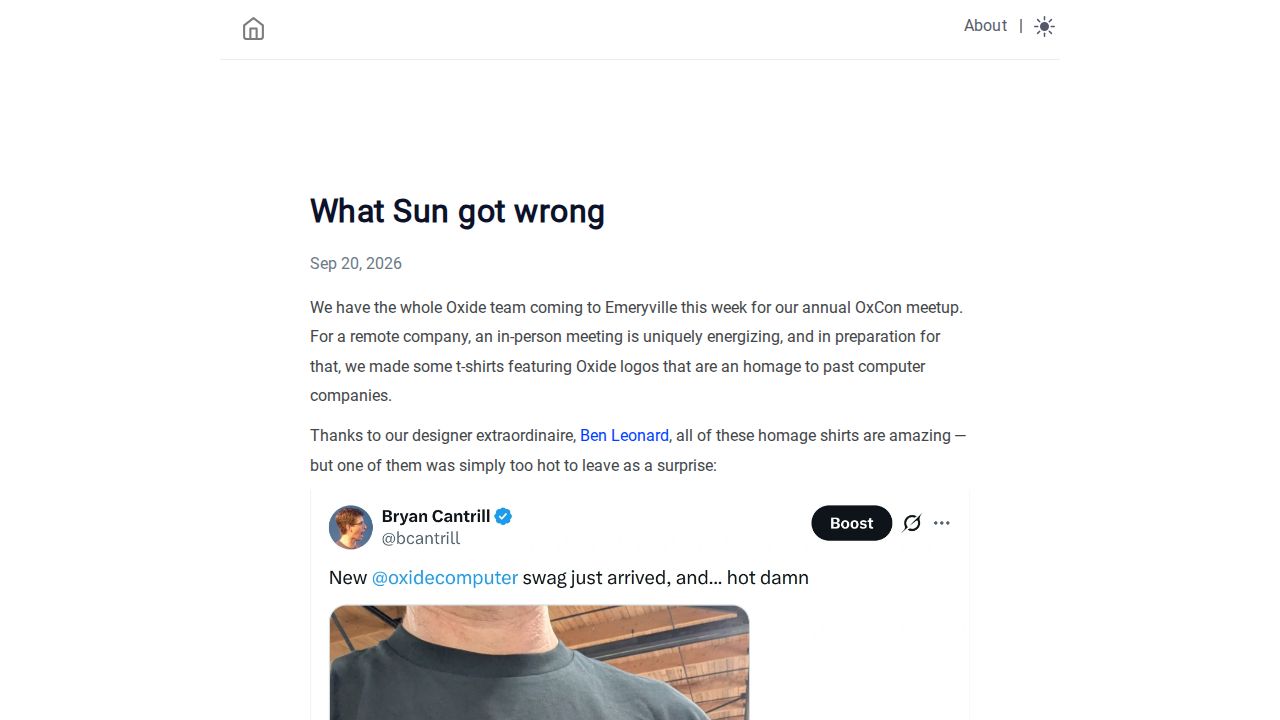
Sun’s Operational Lesson: Why Strategy Could Not Replace Customer Execution
Bryan Cantrill argues that Sun Microsystems’ deepest failure was losing interest in the mechanics of running a business. His 2005 sales anecdote illustrates how a responsive vendor can turn a customer’s adoption of open-source software into hardware demand—and why Oxide treats customer responsibility as a stated principle rather than a nostalgic slogan.

Samsung’s HBM4 Expansion Signal Runs Through a Glass Wafer Carrier
A reported 2.5-fold increase in cleaned glass-carrier volume points to a possible doubling of Samsung’s HBM4-family output in 2027, but the estimate remains an inference from unnamed industry sources rather than a company production commitment.
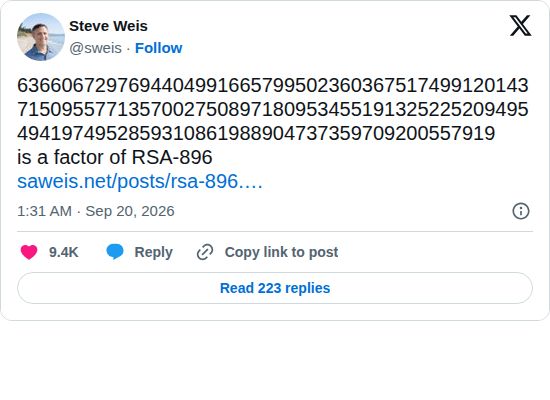
Researcher Factors RSA-896 Using GPU-Accelerated CADO-NFS
Stephen Weis has successfully factored the RSA-896 challenge number by leveraging Claude to port the CADO-NFS algorithm to GPUs, utilizing idle capacity across a 2048-GPU fleet over ten days.
Lambda MicroEgg Tries to Make Variable Scope Safe for E-Graph Rewriting
Philip Zucker’s Lambda MicroEgg extends a small equality-graph engine with generic binders, Miller patterns, and capture-avoiding substitution. It aims to rewrite expressions containing functions and other scoped constructs without confusing identically named or newly bound variables.
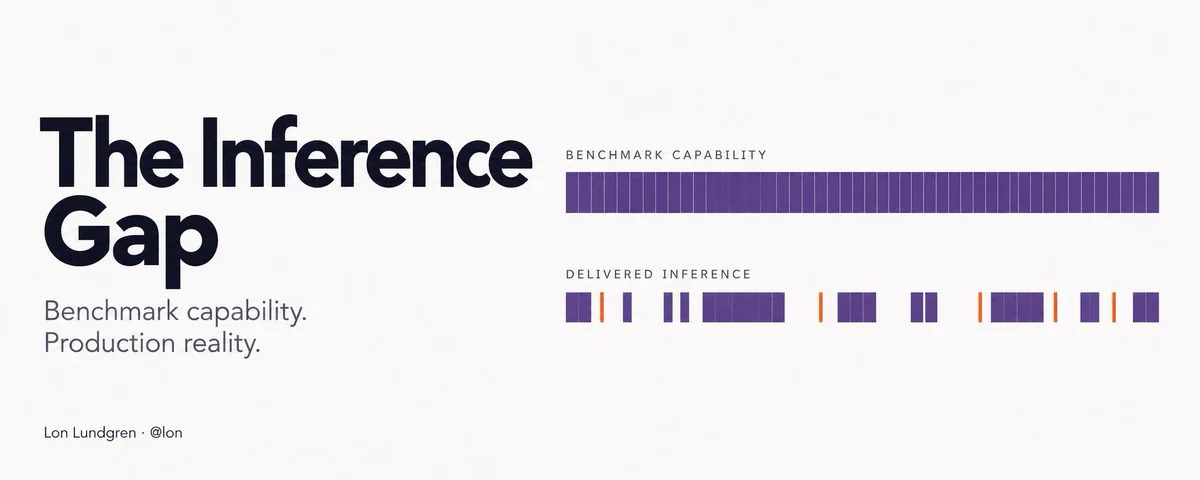
Fable 5’s Inference Gap: Fewer Thinking Tokens, Less Consistent Reasoning
An independent user’s six-week measurements suggest that Fable 5 received less reasoning time in August than in July. The packet supports a narrower claim than a blanket performance decline: the reported issue concerns the inference regime supplied to users, not proof that the underlying model was deliberately weakened.

ChatGPT’s ad cookie can link activity across other websites
A security researcher reports that OpenAI’s Measurement Pixel can attach a cross-site advertising identifier to a ChatGPT account, including when the user is logged out. OpenAI’s documentation confirms the pixel exists, but the account-linking behavior comes from the researcher’s browser tests.
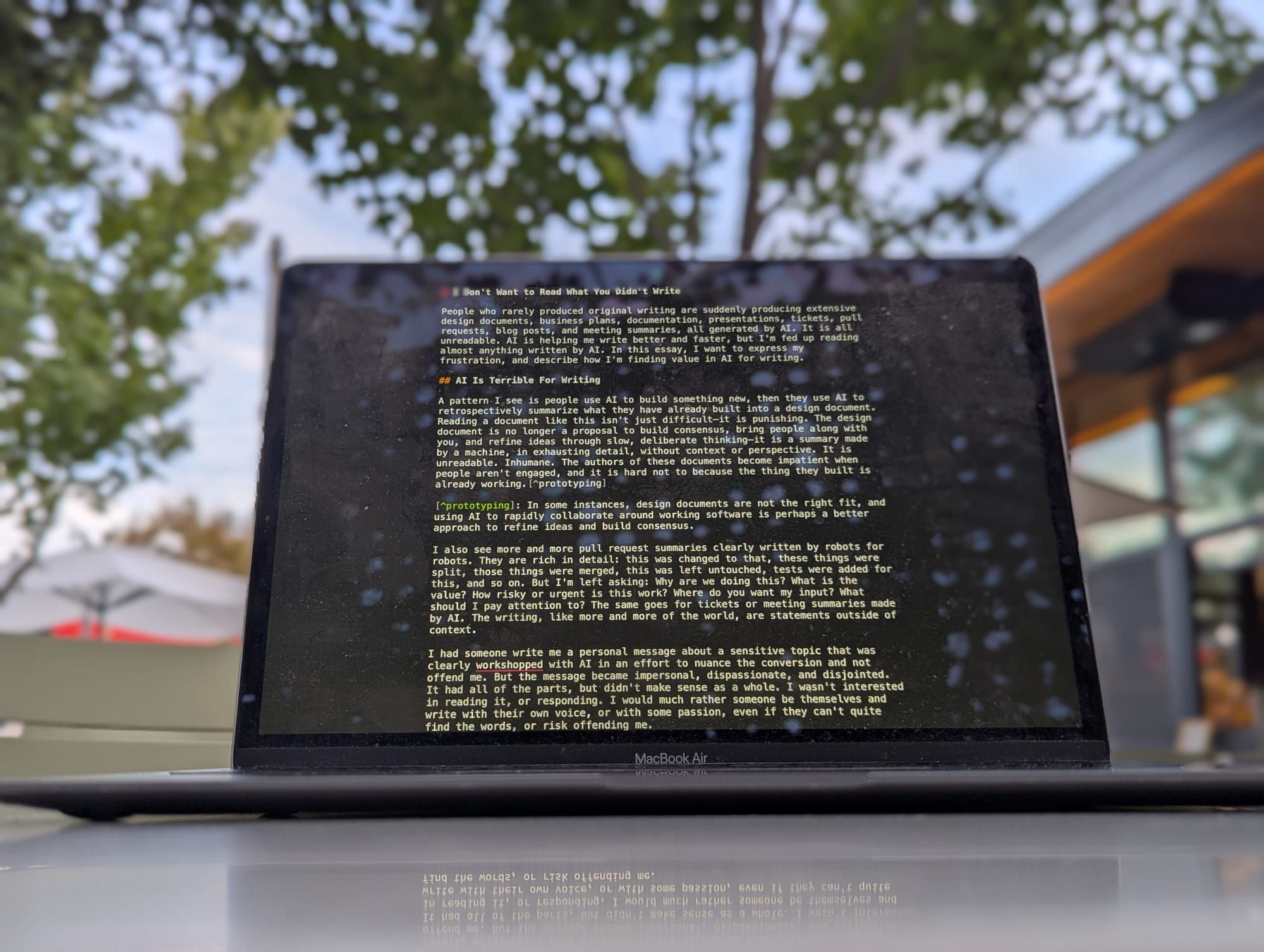
AI Writing’s Missing Context Problem—and a Better Role for the Tools
Colin Breck argues that AI-generated writing often fails because readers lack the context available to the person who prompted it. An anonymous developer survey suggests that perceived AI involvement can damage trust, but the evidence supports a narrower conclusion: AI may be most useful when it checks, edits, or formats work that a person has already shaped.