Rhizomatica has deployed nearly 90 high-frequency (HF) radios across Waorani indigenous communities in the Ecuadorian Amazon, providing a critical communication lifeline in areas where cellular and internet services are unavailable. To sustain this infrastructure, the nonprofit transitioned its High-frequency Emergency and Rural Multimedia Exchange System (HERMES) to an open-source model by releasing the Mercury data modem in May 2026.
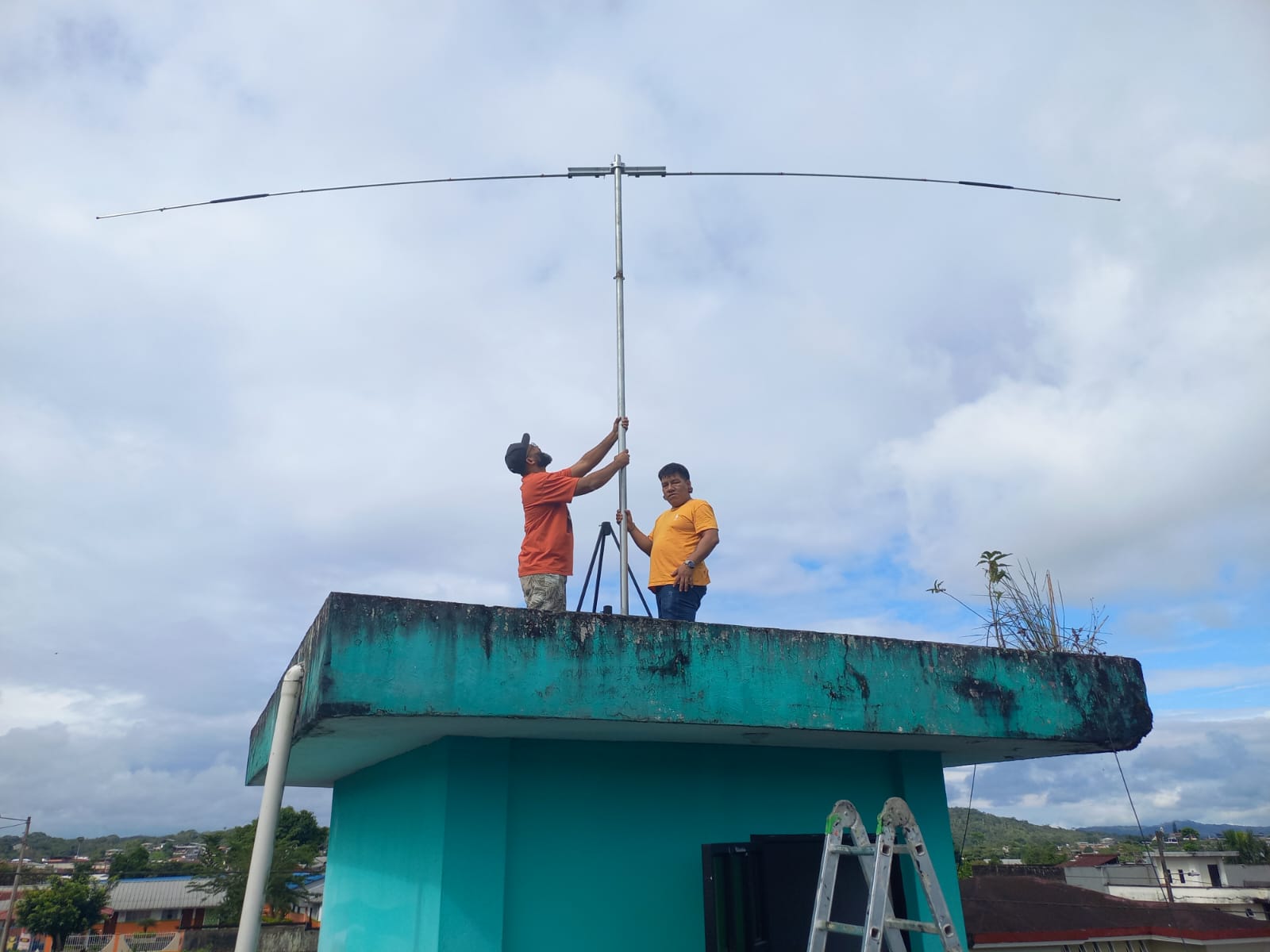
This image illustrates the deployment of the HERMES system in the Ecuadorian Amazon, where Rhizomatica provides critical communication infrastructure.
Removing Financial and Technical Barriers
Setting up HF data systems often involves significant technical and financial hurdles, including equipment costs and software licensing fees. Rhizomatica addressed these challenges by developing Mercury, an open-source HF data modem that provides functionality similar to the proprietary VARA modem without the associated fees.
Beyond cost reduction, the open-source nature of Mercury allows for greater flexibility. It enables Rhizomatica and the broader community to adapt the modem to different hardware and applications, such as the HF Signals zBitx or the Raspberry Pi Zero.
“Integrating Mercury not only made the entire HERMES system open-source but also introduced opportunities for experimentation beyond community deployments.”
— Rhizomatica’s HERMES and Mercury Expand Open-Source HF Communications for Remote Communities While Appealing to Experime
Community-Led Infrastructure and Training
To ensure long-term sustainability, Rhizomatica focuses on local capacity building rather than just hardware delivery. In the Ecuadorian Amazon, the organization works with local partners to train a core group of community members on how to install, operate, and maintain the HERMES systems.
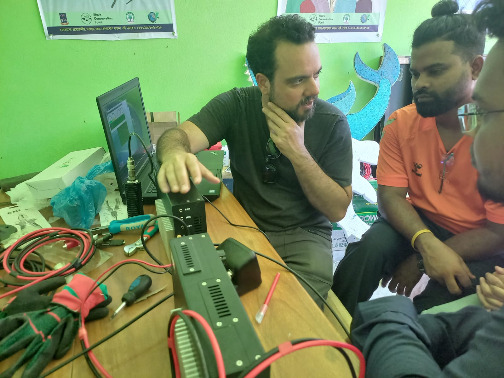
This photo demonstrates the organization's focus on local capacity building and hands-on training for community-led infrastructure.
This approach allows residents, such as older Waorani members, to maintain contact with family in distant villages without relying on constant outside technical support. Similar deployments have been established in fishing communities in Bangladesh and early warning systems in the Central African Republic.
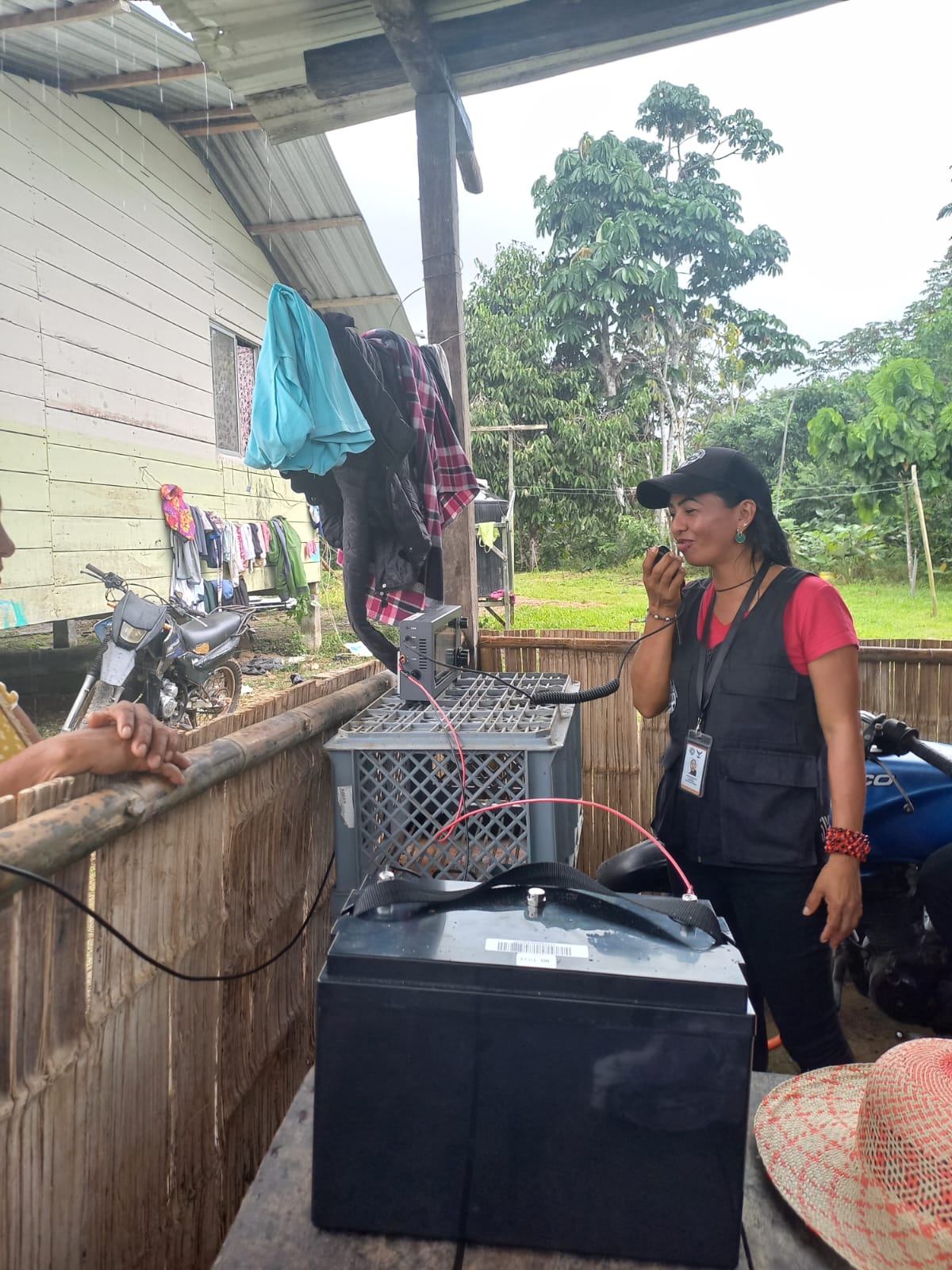
This image shows a community member utilizing the infrastructure that Rhizomatica has deployed to provide remote communication.
Collaborative Development and Future Integration
The release of Mercury has invited experimentation from the amateur radio community. Operators have already used the modem to exchange Winlink emails—a use case not previously tested by the Rhizomatica team—providing valuable feedback for continued development.
Looking forward, the team plans to expand broadcast capabilities to distribute files and images without relying on automatic repeat query (ARQ) protocols, which can cause delays. They are also working to integrate Reticulum and Meshtastic to bridge HF links with long-range LoRa networks and FreeDV RADE for enhanced digital voice communications.