OpenAI has officially disbanded its stand-alone robotics team, reassigning its researchers to the company's main research and applied organizations. This move reflects a strategic pivot toward 'embodied AI,' where the company's general-purpose models—designed for language, code, and vision—are expected to provide the underlying intelligence for physical devices like humanoid robots.
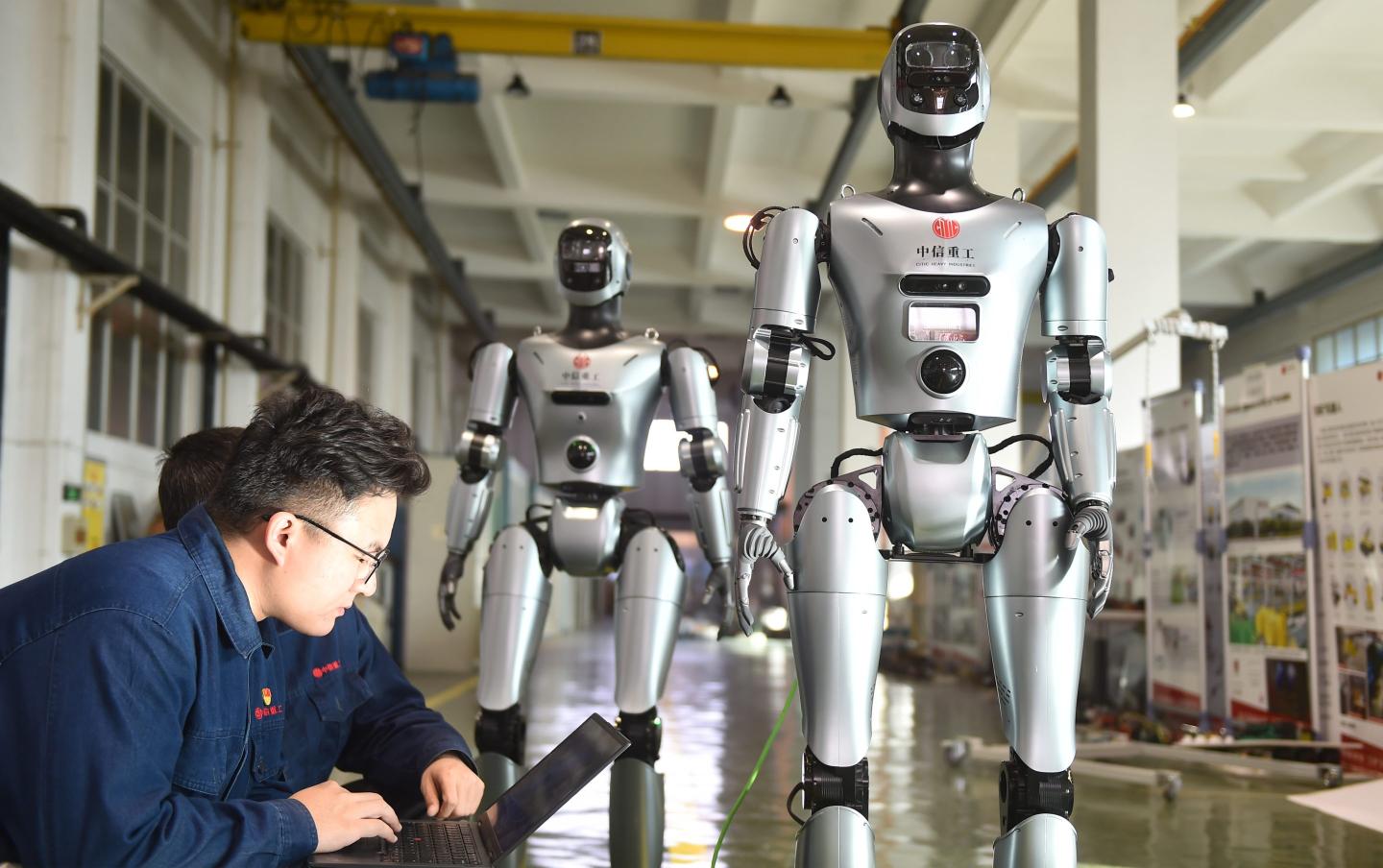
The article discusses OpenAI's shift toward using general-purpose models to provide the underlying intelligence for physical devices like humanoid robots.
From Specialized Teams to General Intelligence
The reorganization follows a period of experimentation where OpenAI explored whether specialized robotics models were necessary to bridge the gap between AI and the physical world. By disbanding the stand-alone team, OpenAI is betting that its frontier models, such as GPT-6 Astra, have reached a level of maturity where they can directly control robotic actions.
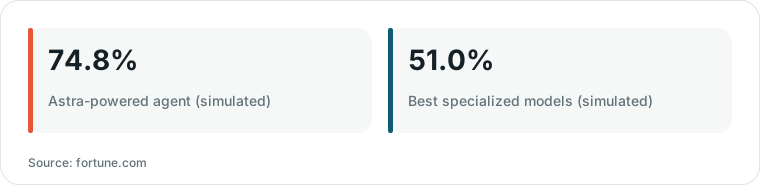
Chart drawn by HN Digest from figures reported by fortune.com; values are shown as written in the source.
This shift mirrors a broader trend in the AI industry where developers seek to avoid building separate 'brains' for every new device. Instead, they aim to create a single, highly capable model that can be applied to various tasks, from writing code to operating a humanoid robot.
“The reorganization reflects a bet that is gaining traction across the AI industry: that general-purpose models built for language, code, and vision can also be used for “embodied AI”—where AI models control devices that can act in the physical world, such as robots, driverless cars, or drones.”
— Exclusive: OpenAI disbands its stand-alone robotics team as its general-purpose AI models start running robots | Fortune
Performance in Simulation and Reasoning
Researchers have observed surprising performance when connecting GPT-6 Astra to robots, directly using the general-purpose AI model to perform robotic tasks. These models are increasingly capable of handling complex spatial reasoning, such as adjusting to different lighting or identifying the correct sequence of steps in a multi-part task.
By treating robotics as a downstream application of general intelligence—similar to how frontier models now power specialized coding or legal tools—OpenAI aims to streamline its development path. This approach assumes that the underlying reasoning capabilities of a large model are sufficient to manage the physical constraints of a robot.
Trade-offs in Latency and Connectivity
Despite the high-level reasoning capabilities of general models, practical deployment faces significant hurdles. Large language models are inherently slow and typically require hosting in the cloud, which necessitates a constant, high-speed network connection for a robot to function in real-time.
Experts note that while general models provide superior high-level planning, there remains a functional need for smaller, specialized models that can run locally on a robot's onboard computer. These 'reflexive' systems are necessary to handle millisecond-level responses for sensors and actuators that a cloud-dependent model cannot currently provide.
Corporate Focus and Financial Pressure
The move also aligns with OpenAI's internal push to eliminate 'side quests' and concentrate on core, potentially profitable products. This reorganization comes as the company faces pressure to manage heavy operating losses as it seeks to close a new funding round and prepares for a possible IPO in early 2027.
What Hacker News readers are saying
- Technical note: One commenter argued that general models are currently inefficient for robotics because sensors and actuators require millisecond-level responses that large language models cannot provide over a communications link. comment ↗
- Technical note: Another user suggested that the strategy might involve using frontier models to build out 'reflex agents' or specialized slices of a brain rather than having the main model handle every low-level action directly. comment ↗
- Skeptical: A commenter expressed skepticism regarding the feasibility of this approach in contexts where compute is not abundant or where real-time sensor streaming to a distant datacenter is impractical. comment ↗
- Open question: Several commenters raised questions about the specific implementation, asking whether the models generate low-level signals for servos or higher-level commands, and noted the potential for high token inefficiency. comment ↗
Summarized opinions from the Hacker News thread, not verified facts. Read the full discussion ↗