Over a 12-year period, researchers at the Udawalawe National Park in Sri Lanka observed a fundamental shift in the social architecture of Asian elephants. By tracking more than 440 wild females, scientists documented a transition from large, densely connected social communities to smaller, more isolated groupings, a change triggered by a gradual accumulation of population losses.
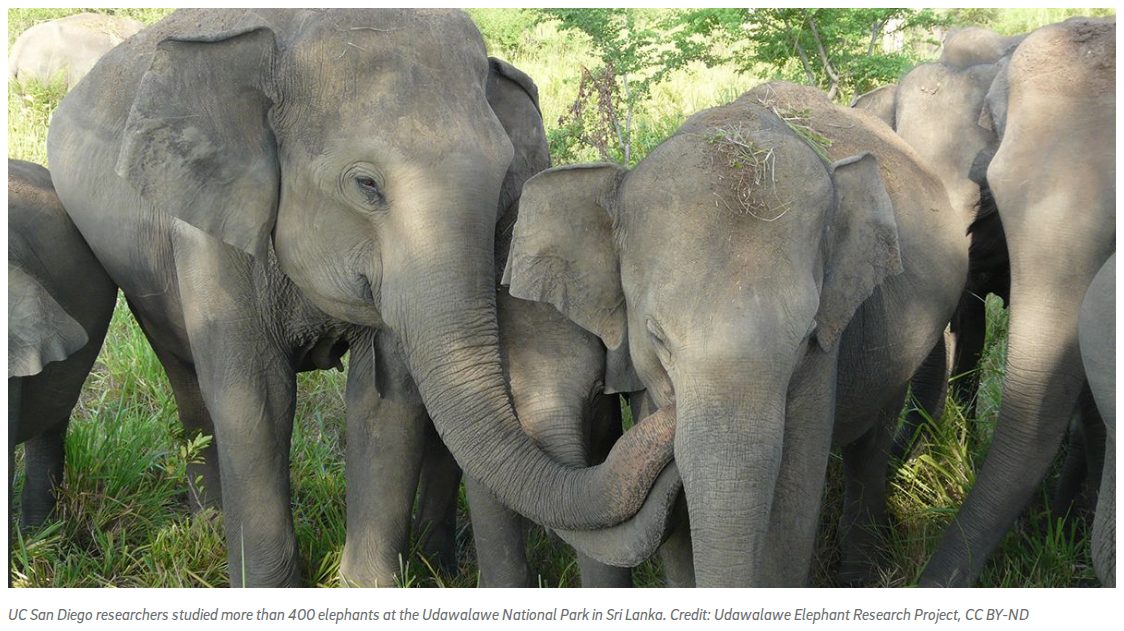
This image illustrates the specific study site and the population of elephants being monitored by the researchers.
The Mechanism of Social Fracturing
The research, led by Postdoctoral Researcher Anastasia Madsen and Associate Professor Shermin de Silva, suggests that social networks do not collapse instantly. Instead, they experience a 'gradual accumulation of losses' from turnover—including deaths and emigrations—that eventually triggers a sudden change in the network's structure.

This portrait identifies one of the primary researchers leading the study described in the article.
As the total number of elephants in the population decreases, the remaining individuals naturally have fewer available relationships. However, the study found that these elephants are also actively changing the nature of their remaining connections, leading to a less-connected social landscape.
“We found that gradual accumulation of losses from turnover preceded sudden change in the social networks among females in a wild population of Asian elephants,”
— Elephants Found to be Increasingly Isolated, Leading to Fractured Social Networks
Consequences for Herd Dynamics
Asian elephants are highly social animals that rely on well-established community networks to thrive. These groups work together to access food sources, share vital information about their environment, and provide collective care for their young.
The shift toward smaller, isolated communities is a cause for concern because it weakens these collective bonds. When social connectivity is reduced, the animals' ability to leverage the benefits of a large, resilient community is diminished, potentially impacting their long-term survival.
Monitoring Population Health
The researchers emphasize that studying social patterns provides a diagnostic tool for conservation. By monitoring how social networks fracture, scientists can identify when a natural population is failing before the damage becomes irreversible.
While factors like poaching, human conflict, and habitat disruption contribute to population decline, the social fracturing represents a distinct and potentially permanent shift in the species' social structure. The study highlights the need to recognize these tipping points where slow, building changes result in sudden, difficult-to-reverse outcomes.