The average transaction cost for a new vehicle in the United States has reached a record high of $51,109, according to a report from Kelley Blue Book. This figure represents a 2.1% increase over the previous year, a growth rate that sits below the general rate of inflation. For consumers, this shift reflects a combination of rising manufacturing costs, such as higher tariffs on steel and aluminum, and a market trend where buyers increasingly favor larger SUVs and trucks over compact sedans.
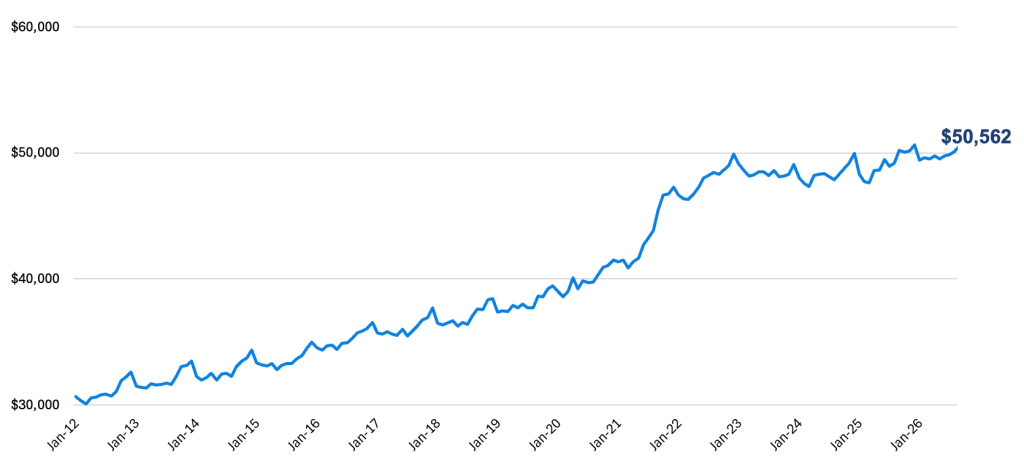
This chart illustrates the record-breaking average transaction price for new vehicles mentioned in the report.
Drivers of Record-High Pricing
Several factors are contributing to the upward pressure on vehicle prices. Automakers face increased production costs due to higher tariffs on steel, aluminum, and goods imported from Canada. Additionally, the cost of computer chips for sensors and copper for wiring has risen due to competing demand from data centers.
Consumer preferences also play a significant role in driving up the average. There is a notable shift away from compact sedans toward larger, more profitable vehicles like SUVs and pickup trucks. Furthermore, the disappearance of 'base' models means most buyers now opt for mid-to-upper trim levels featuring 360-degree cameras, heated seats, and parking assist systems.
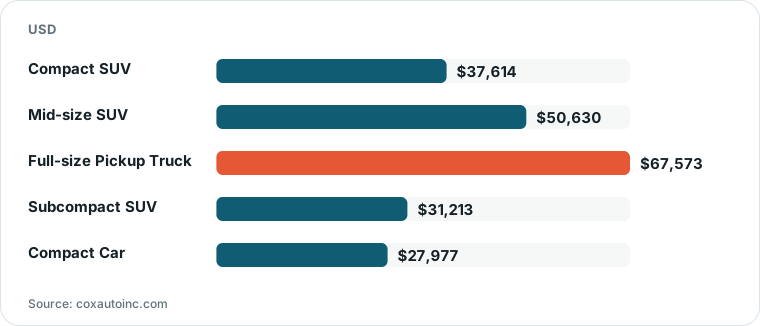
Chart drawn by HN Digest from figures reported by coxautoinc.com; values are shown as written in the source.
“A 2.1% year-over-year increase is actually below inflation,”
— The average cost for a new vehicle in the U.S. hits a record high: over $51,000
The Role of Sales Mix and Incentives
Despite the record high average, the pace of price increases has slowed compared to previous years. This is largely due to a 'mix' effect: while prices for many individual vehicles are rising, there has been a stronger volume of sales in more affordable segments, such as subcompact SUVs and compact cars.
Incentive spending also fluctuates as a tool to manage these prices. In September 2026, incentive spending averaged 6.6% of the average transaction price (ATP), a decline from the 7.3% level seen in September 2025. This suggests that while sticker prices are high, manufacturers are using targeted discounts to maintain volume in specific segments.
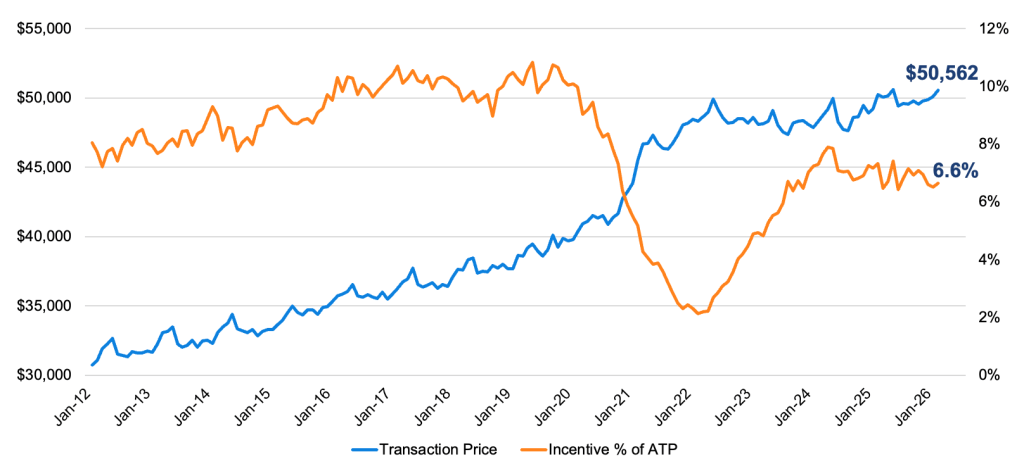
This figure provides visual data on how manufacturers use targeted discounts to manage high sticker prices.
Financing Trends and Consumer Trade-offs
High interest rates are significantly altering how consumers afford these vehicles. With new car loan rates exceeding 7%, a larger percentage of monthly payments is now directed toward interest rather than the principal of the loan. This 'sticker shock' is compounded by the fact that many consumers do not purchase cars frequently and may be surprised by the current price environment.
To manage these costs, data shows that buyers are stretching their financing. Many are making smaller down payments—sometimes as low as $500 to $1,000—and opting for longer loan terms of 84 months or more. This strategy allows for lower monthly payments but can result in much higher total costs over the life of the loan.
The impact of these trends varies by buyer type. Existing owners may benefit from higher trade-in values for used cars, which currently average close to $27,000. However, first-time buyers face a steeper barrier to entry, as they lack trade-in equity and must navigate high prices with minimal down payments.
What Hacker News readers are saying
- Alternative: One commenter suggested that the rising cost of new vehicles highlights a need to either find ways to make cars more affordable or invest in public transit infrastructure. comment ↗
- Experience: A commenter who owns a used vehicle shared that high new car prices appear to be driving up the resale value and demand in the used car market. comment ↗
- Skeptical: One reader pointed out that the record high is a result of general inflation and noted that the year-over-year increase was actually below the inflation rate. comment ↗
Summarized opinions from the Hacker News thread, not verified facts. Read the full discussion ↗