Maggie Appleton, a Staff Research Engineer at GitHub Next, argues that design engineers are uniquely positioned to act as 'fortune tellers' for the software industry by bridging the gap between interface design and technical architecture. In an era of rapid technological whiplash, she advocates for a proactive 'scout mindset' to identify emerging trends and prototype future theories before they become mainstream reality.
Defining the Design Engineer
Appleton defines a design engineer not as a creator of micro-interactions, but as a designer deeply involved in the technical craft and material of software. This role requires an understanding of backend components like databases, latency, and authentication to make meaningful decisions about functionality and architecture.
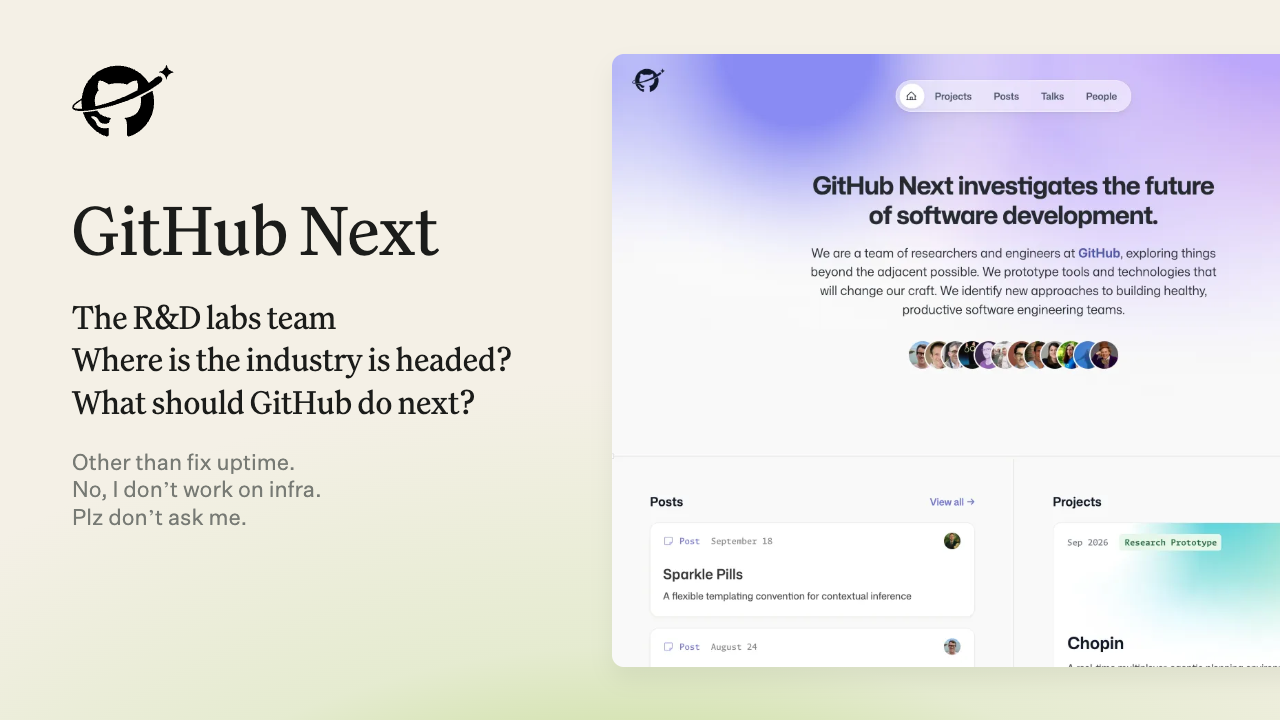
This image illustrates the technical craft and backend components that design engineers must understand to bridge the gap between design and engineering.
By acting as a translation layer between design and engineering, these professionals can create solutions that neither discipline could reach in isolation. They are responsible for making the 'material' of software—the underlying logic and data flow—tangible and usable.
“We need to engage, think like fortune tellers and try to read the crystal ball.”
— Fortune Telling and Speculative Design
The Mechanics of Speculative Design
The core of speculative design involves navigating the 'futures cone,' a framework used to evaluate potential developments. These are categorized by their feasibility (possible), likelihood (probable), and desirability (preferable). A future might be possible but not preferable, making it a distinct area for exploration.
To populate this cone, Appleton suggests collecting 'weak signals.' These are small, often overlooked indicators in the information landscape, such as a new startup's direction or a specific technical breakthrough like a local, multimodal model that can search through a user's screen content.
Theory Building and Prototyping
At GitHub Next, speculative design is operationalized through a 'Labs' team approach. The team uses an internal platform called Next Cloud to post rough, early experiments, allowing coworkers to react and 'riff' on ideas quickly to align their theories about where the industry is headed.
These prototypes serve as a first step to determine if a direction is useful. By making a theory tangible—such as a real-time multiplayer canvas or a system that enforces maintainer guidelines—the team can move from abstract speculation to concrete evidence of what might work.
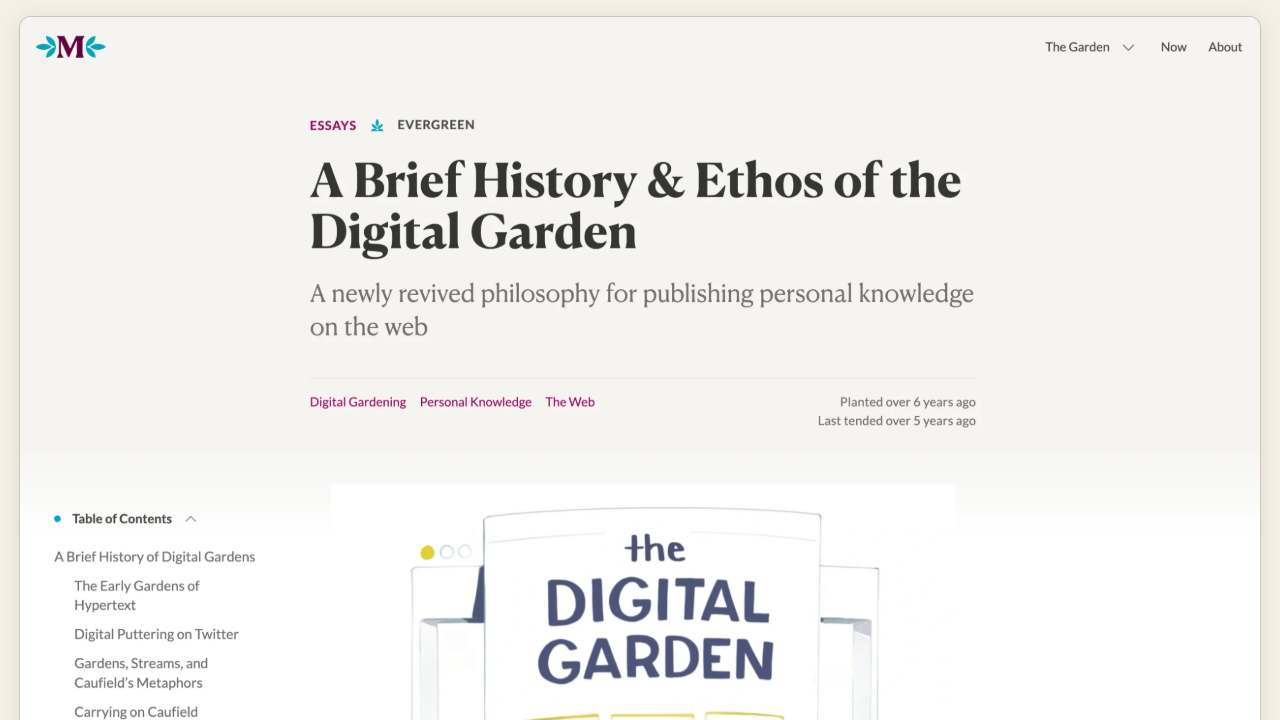
This prototype serves as a concrete example of how the team makes abstract theories tangible to determine if a direction is useful.
Trade-offs and Organizational Inertia
Moving from a 'wild bet' to a production product involves significant political and strategic hurdles. In large organizations, ambitious ideas can disrupt existing roadmaps and threaten established workflows, often leading to 'not invented here' syndrome.
The goal of speculative design is to provide a credible path to production. By building prototypes that show what predictions look like in practice, teams can better convince leadership to invest the time and money required to shift the organization's course.