During a September 2026 'Game of Drones' exercise at Edwards Air Force Base, a small unmanned aerial system (UAS) successfully evaded detection by sensors deployed by multiple private companies. The craft, an O1 ornithopter developed by Ornadyne, was registered by the detection equipment as a bird rather than a man-made threat.
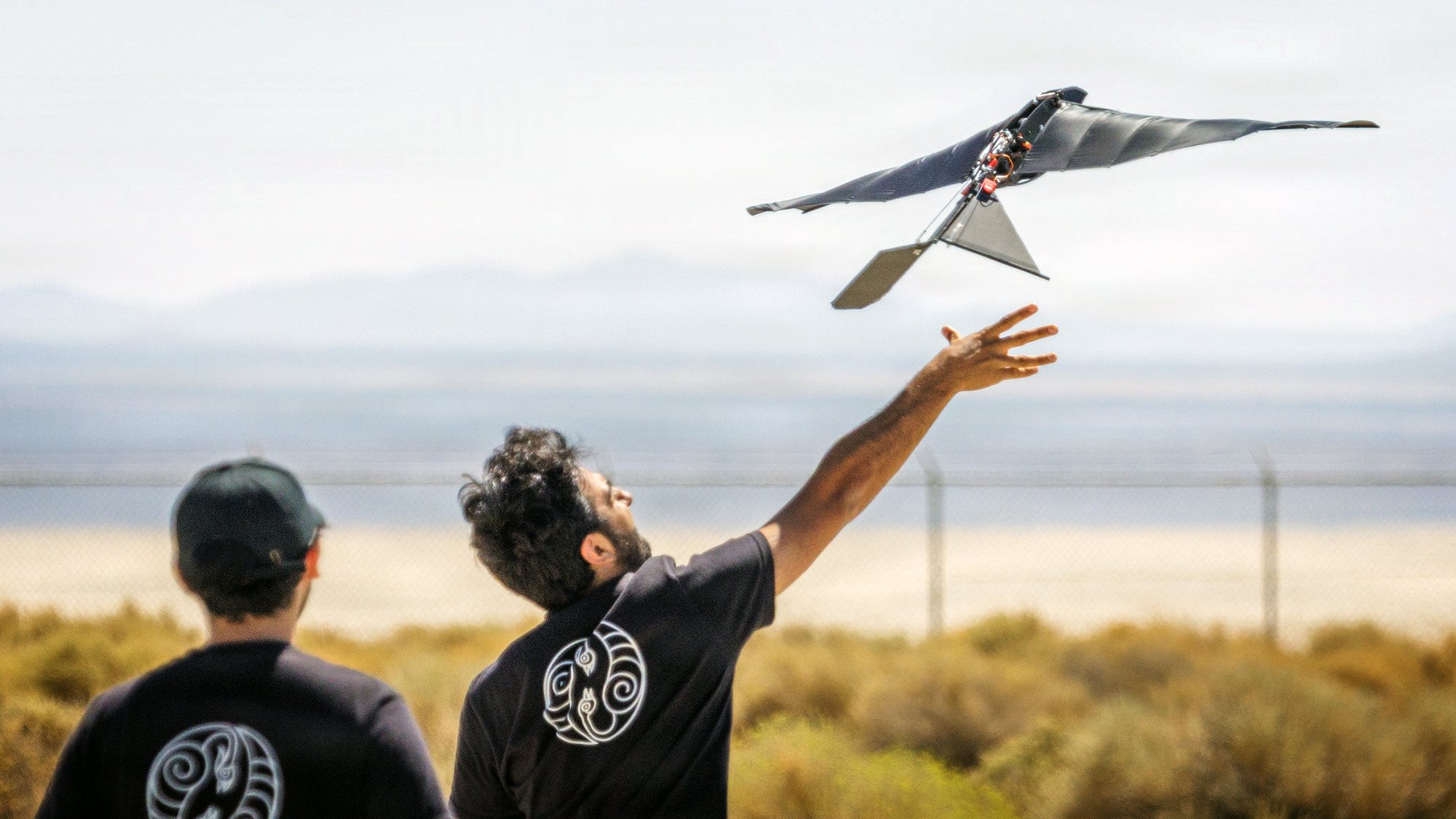
This image illustrates the O1 drone's launch and its ability to mimic a bird's flight profile during a military technology exercise.
Mechanics of Environmental Blending
The O1 drone achieves stealth by mimicking the physical and behavioral traits of birds. Instead of using propellers, which create distinct acoustic and visual signatures, the O1 uses flapping wings to stay airborne. This design allows the drone to move in a way that humans and automated counter-UAS systems are more likely to misclassify as natural wildlife.
Beyond flight mechanics, the company can modify the drone's physical appearance. By adjusting the wingspan, proportions, and color, the O1 can be tailored to blend into specific regional environments, such as mimicking a crow to operate at low altitudes for surveillance or intelligence gathering.
“It looks like a bird, it moves similar to a bird, and humans and counter-UAS systems can misclassify it as a bird,”
— Drones built to look like birds evaded detection at Air Force tech exercise
Performance in the 'Game of Drones' Exercise
The drone's effectiveness was demonstrated during the Air Force's annual 'Game of Drones' event in the Mojave Desert. This recurring exercise provides a restricted sandbox for testing new technologies against wargame-inspired scenarios. The O1 was specifically tested against detection systems built by other private firms to see if it could bypass electronic surveillance.
Ornadyne co-founders reported that the sensors deployed by these other companies could not establish the drone's presence. The craft successfully spoofed an aviary flight profile, achieving the company's primary goal of remaining undetected by modern radar and sensor arrays.
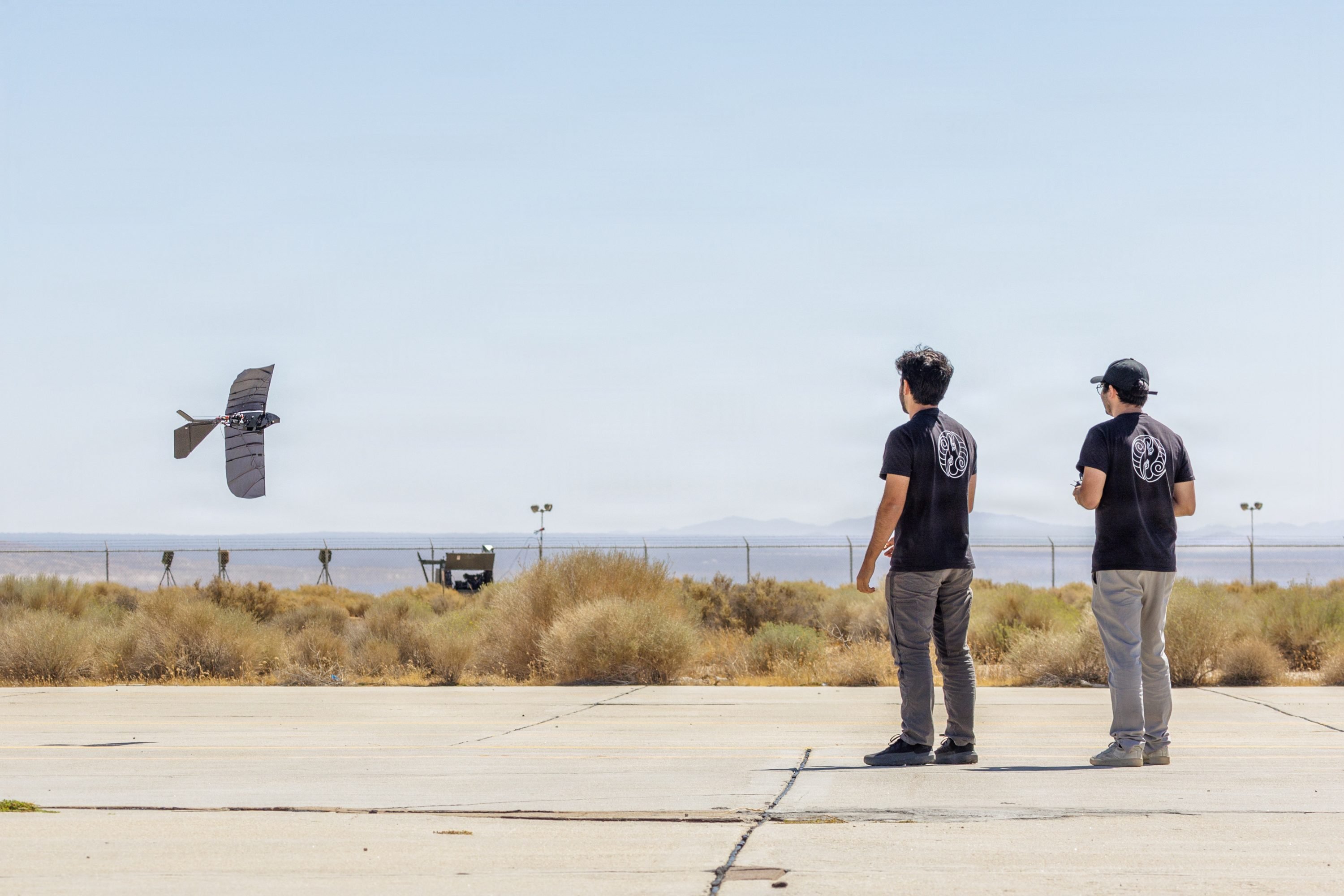
This photo shows the O1 drone returning from a successful flight, highlighting its successful evasion of counter-UAS sensors.
Trade-offs and Global Context
While the O1 offers a unique method of evasion through environmental blending, it differs from other stealth techniques like using fiber optic cables to bypass electronic surveillance or using mobile SIMs to mask signatures. The O1's primary advantage is its ability to hide in plain sight by mimicking the biological signatures of local fauna.
The development of ornithopter technology is not unique to the United States. For example, the People’s Liberation Army has previously demonstrated bird-like drones resembling Eurasian tree sparrows. As these systems become more sophisticated, they present a growing challenge for traditional counter-UAS systems designed to identify standard propeller-driven aircraft.
What Hacker News readers are saying
- Alternative: One commenter suggested that falconry could be used to bridge the detection gap, noting that trained birds are already utilized to manage wild bird populations at airports. comment ↗
- Skeptical: One reader expressed skepticism regarding the practical application of these drones, arguing that endurance remains a major hurdle that current battery technology cannot yet overcome. comment ↗
- Alternative: A commenter proposed a design alternative where a propeller-driven craft uses moving wings for visual deception rather than primary propulsion to aid in distant reconnaissance. comment ↗
Summarized opinions from the Hacker News thread, not verified facts. Read the full discussion ↗