A single high-intensity 'corn cob' LED bulb can increase indoor light levels from 50 lux to 400 lux, effectively simulating the brightness of a clear day's sunrise or sunset. This setup allows users to maintain a productive summer-like work schedule even when it is dark outside, addressing the lethargy often associated with low-light indoor environments.
The Problem of Indoor Darkness
Most indoor environments operate at light levels between 100 and 500 lux, which is significantly dimmer than full daylight. While many people accept this as a standard, the lack of high-intensity light can lead to increased lethargy and a decrease in focus during winter months.

This image illustrates the baseline of indoor darkness described in the article's problem statement.
The author of the primary source notes that while 'seasonal affect disorder' is a recognized condition, many people experience a milder version of this curve where productivity drops as natural sunlight fades. By artificially increasing ambient light, users can counteract the urge to stop working as the sun sets.
“Indoor darkness seems to be one of those things that we don't question only because it's been that way forever.”
— Your room can be as bright as the outdoors
Technical Implementation and Results
The primary method involves using a 'corn cob' style LED bulb, which produces enough light to equal approximately 40 incandescent bulbs. One such bulb, costing around $100, can produce 30,000 lumens and requires an internal cooling fan to manage waste heat.
In a test case, installing this bulb increased interior light levels to 400 lux, which the author compared to a clear day's sunrise. This change resulted in a measurable increase in productivity, providing an estimated extra 30 minutes to two hours of work time per day depending on the weather.

This photo demonstrates the successful implementation of the high-lumen LED setup.
Color Rendering and Practical Trade-offs
While raw brightness is the primary goal, the quality of light matters. The author eventually moved from a basic 'corn cob' bulb to a setup using 21 high-CRI Cree bulbs to achieve a more diffused, natural light appearance.
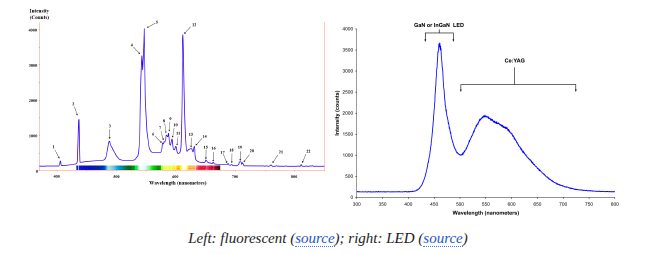
This visual supports the discussion on color rendering and the move toward high-CRI bulbs.
There are practical downsides to this high-intensity setup, including a loud cooling fan (approximately 45db), potential flickering when other appliances are active, and the need for specialized fixtures rated for high wattage. However, the energy cost remains relatively low, estimated at around $0.30 per day for eight hours of use.
Economic and Environmental Context
The feasibility of this setup has improved as the cost per lumen for LEDs has dropped by about 20% annually over the last 50 years. This makes it increasingly practical to fill large spaces with high-intensity light that mimics the sun.
From an environmental perspective, the carbon intensity of running such a lamp is relatively low. At a coal-powered intensity of 1 kg CO2 per kWh, one day of use produces roughly 2 kg of CO2, which is comparable to the carbon footprint of a single cheeseburger.
What Hacker News readers are saying
- Experience: One commenter shared their experience using solar tubes to bring natural sunlight into a dark living room, noting that while not as bright as being outdoors, it significantly improved their environment. comment ↗
- Alternative: Several commenters suggested specific alternatives for managing seasonal light needs, including light therapy glasses, high-CRI LED strips, and specialized wake-up lights. comment ↗
- Skeptical: One reader expressed skepticism regarding the placebo effect of using large LED panels, noting that it can be difficult to objectively measure the impact. comment ↗
- Open question: Another commenter suggested that individual light preferences might be influenced by geographic upbringing and that some people may actually prefer lower light levels for deep focus. comment ↗
Summarized opinions from the Hacker News thread, not verified facts. Read the full discussion ↗