DATE ARCHIVE
2026-09-25
Articles published on 2026-09-25.
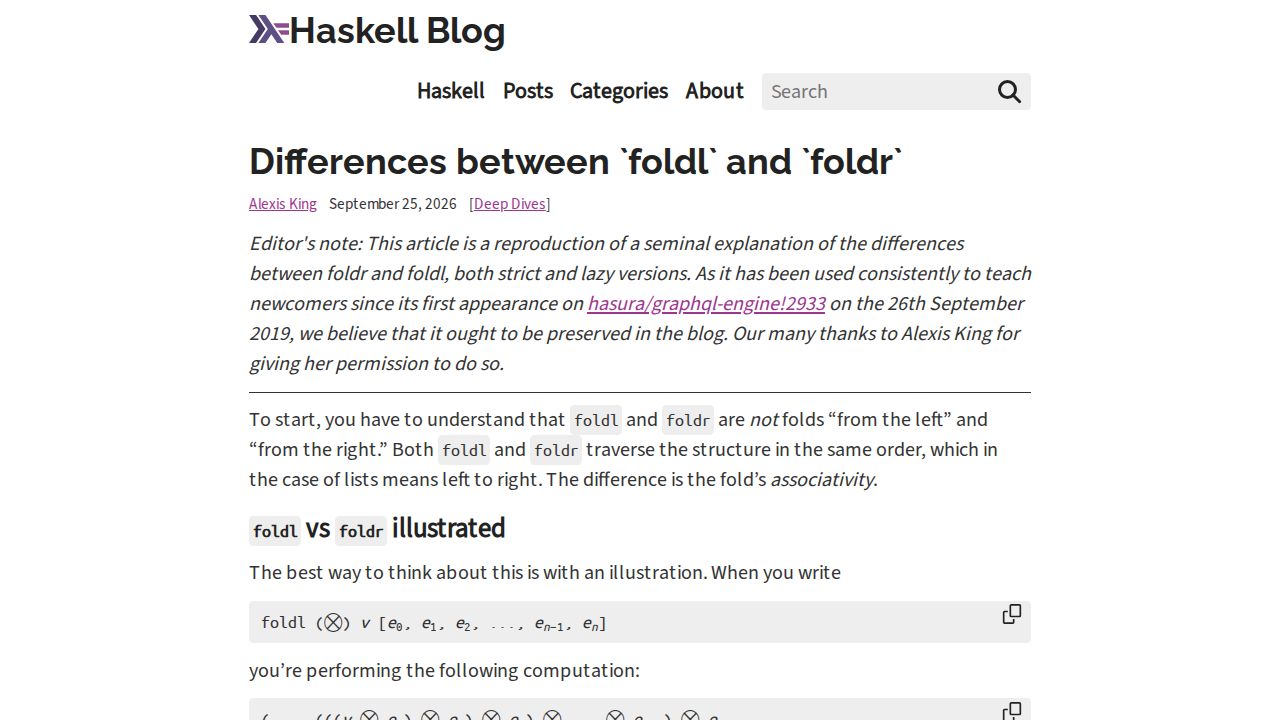
Understanding foldl and foldr in Haskell: Associativity, Evaluation, and Space Usage
This article explains how foldl and foldr differ in associativity, evaluation order, and space usage in both strict and lazy languages, and when to prefer each variant.

The Role of Automated License Plate Readers in the Wrongful Arrest of Lindsey Isaacs
Lindsey Isaacs, a 23-year-old Florida resident, was wrongfully arrested and held in solitary confinement for 13 days after automated license plate reader data incorrectly linked her vehicle to a fatal collision.
The Future of Human Agency in an Era of AI-Driven Mathematical Discovery
As artificial intelligence systems begin to generate increasingly complex and consequential mathematical insights, the research community faces a critical challenge: maintaining human understanding and agency. A guest post by Amit Sahai on Terence Tao's blog argues that society must prioritize the development of a 'deployable intellectual reserve' of mathematicians to interpret and validate these breakthroughs.
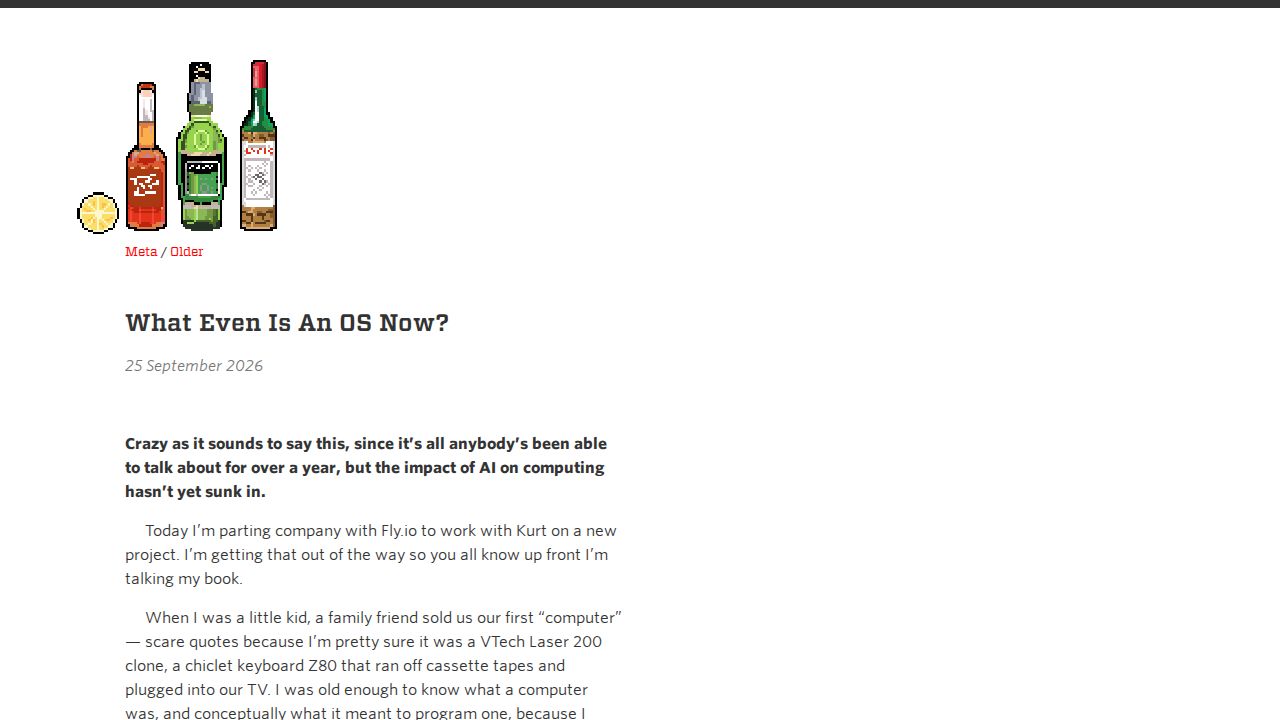
The Evolving Role of Operating Systems in an AI-Driven Computing Landscape
As artificial intelligence dissolves traditional boundaries between software development and user interaction, the fundamental purpose of the operating system—partitioning and managing fixed-function applications—is being challenged by a shift toward personalized, AI-generated software.
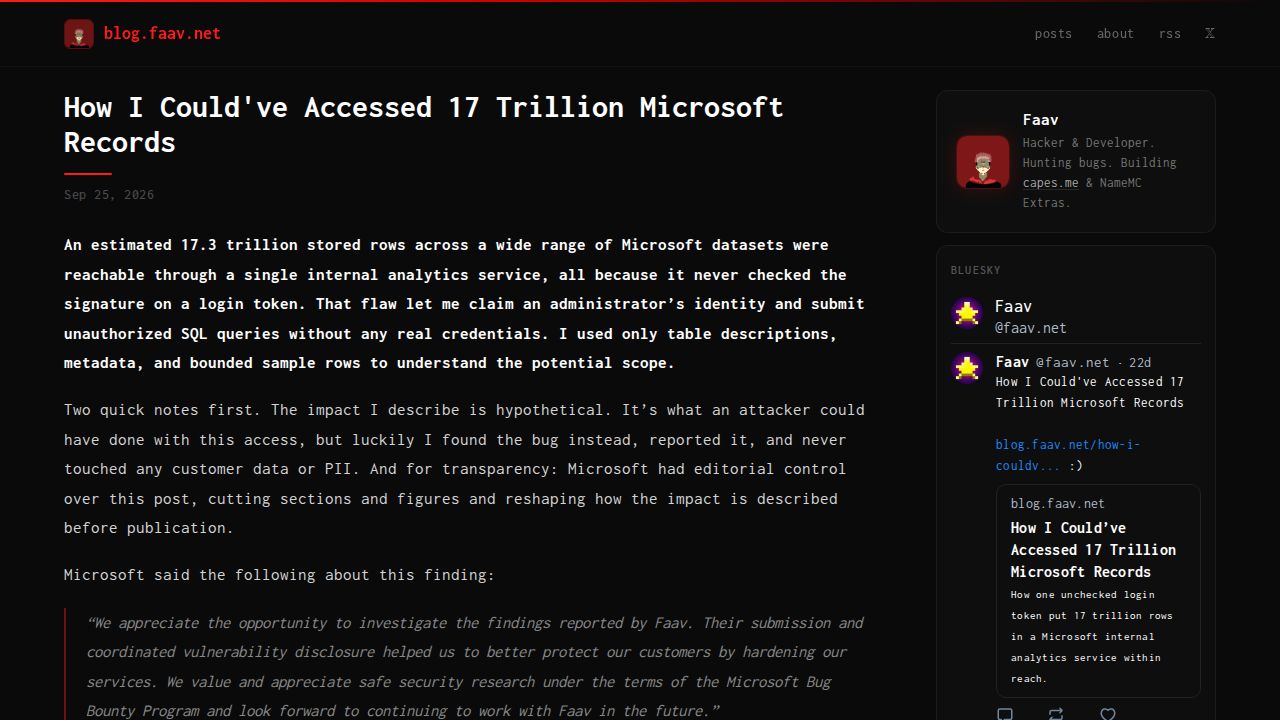
Researcher Discovers Missing JWT Signature Validation in Microsoft Internal Analytics Service
A 16‑year‑old security researcher found that Microsoft’s internal Titan analytics service accepted unsigned JWT tokens, letting them sign in as an administrator and run SQL queries across 17 trillion rows of data before the flaw was reported and patched.
Porting Prince of Persia to C# with Successive AI Models: What Each Round Learned
Priyan R. ran a multi-round experiment porting the 1989 Apple II game Prince of Persia from 6502 assembly to C#, giving each new frontier model the same source code and no edits. The first rounds produced broken architectures; the breakthrough came when models could compare their output against the real DOS game running in DOSBox — and ultimately when Opus 5.5 ported the room-drawing routine from the open-source SDLPoP reconstruction.

New Mexico Jury Finds Facebook Liable for Deceiving Users in Cambridge Analytica Case
A New Mexico jury has found Facebook liable for misleading users regarding privacy protections and data handling practices related to the Cambridge Analytica scandal, marking a significant legal outcome as the only state to continue pursuing the case.
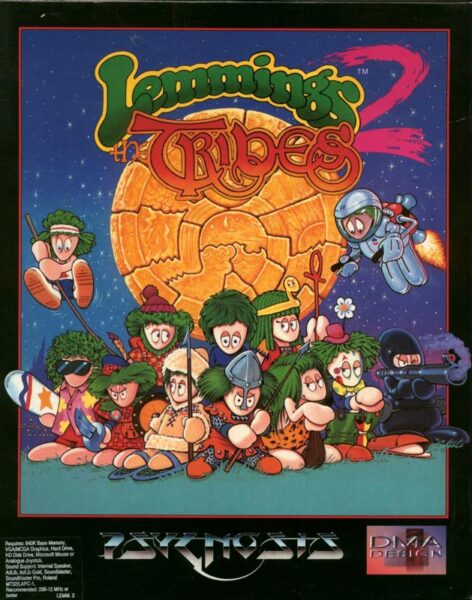
How Lemmings Lost Its Mass-Market Magic
Lemmings began as a deceptively simple hit, but later entries added complexity, changed the characters' tone, and followed 3D fashion. The result was a widening gap between the series' original appeal and its later direction.

First Intact Burials at Göbeklitepe Reveal How Erosion Scattered Hundreds of Human Bones Across the Site
Archaeologists have uncovered the first two undisturbed burials at Turkey's Göbeklitepe, dating to 8,700–8,000 BCE. The finds explain why 928 fragmented human bones were scattered across the monumental buildings: they likely originated from ordinary subfloor burials on higher ground that were later washed downhill by erosion, not from a single unusual mortuary ritual.

Analysis of Meta's Muse Agent Reveals Potential Integration of Third-Party AI Models
Recent filesystem analysis of Meta's Muse agent suggests the platform may selectively route tasks to external AI models, including those from OpenAI and Anthropic, despite primarily relying on internal infrastructure.