DATE ARCHIVE
2026-09-18
Articles published on 2026-09-18.
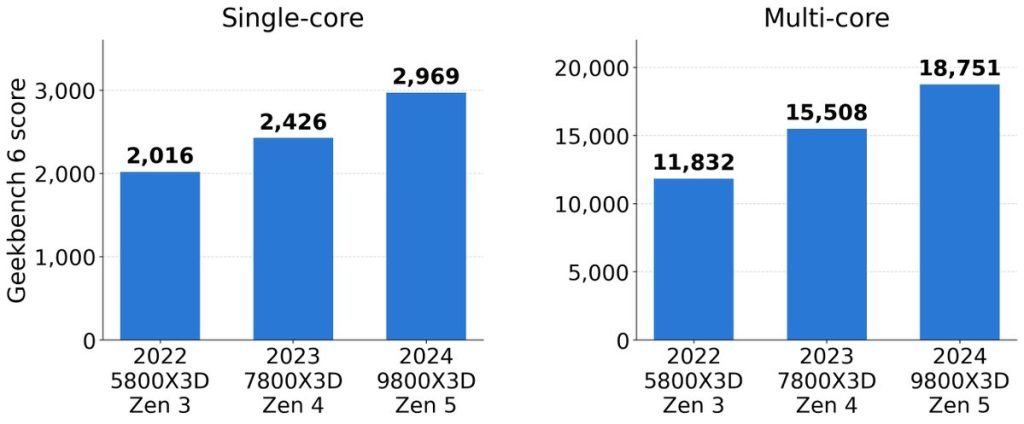
Why AMD Ryzen Gained Roughly 50% in Two Years
Daniel Lemire’s Geekbench 6 comparison attributes the 5800X3D-to-9800X3D gain less to clock speed than to wider cores, larger caches, more execution resources, and wider vector units.

Stanford Researchers Identify Distinct Developmental Origins for Brain Regions
New research published in Nature Neuroscience reveals that the forebrain and hindbrain arise from separate, parallel progenitor cell populations during embryonic development, potentially enabling new laboratory models for studying neurological diseases.
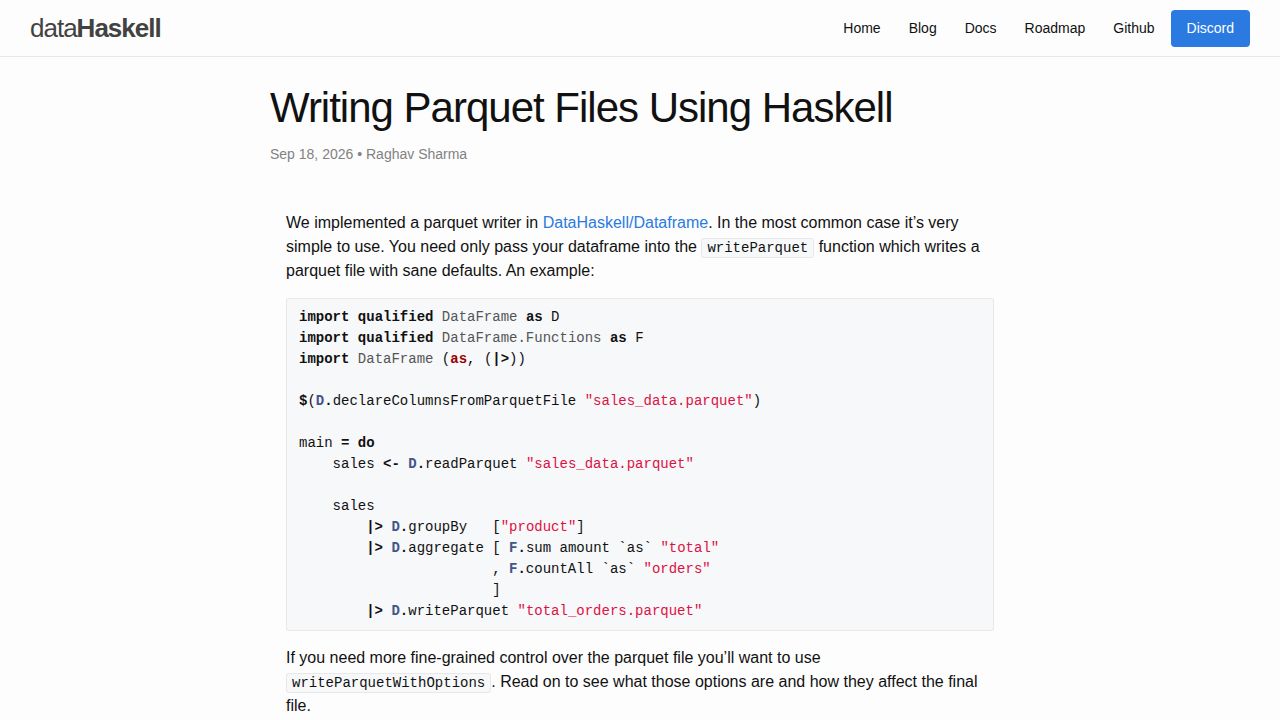
Implementing a Parquet File Writer for the Haskell Data Science Ecosystem
The DataHaskell project has introduced a native Parquet writer for its dataframe library, enabling Haskell users to serialize data into the industry-standard columnar format for improved interoperability and storage efficiency.

How to Read DXOMARK’s iPhone 18 Pro Camera Score
DXOMARK gives the iPhone 18 Pro a strong overall camera score, with particular praise for stabilization, dynamic range, and low-light rendering. The result is useful as one laboratory assessment, but the short review does not provide enough public measurement detail to establish universal real-world superiority.

Git’s 3.0 Transition: Stronger Objects, Faster References, and New Compatibility Questions
Git’s next major release is expected to make SHA-256 repositories the default, switch ref storage to reftable, and require Rust for builds. The supplied evidence supports that direction, but leaves important questions about migration procedures, platform impact, and tool compatibility.

Cartesian by Formas launches AI 3D modeling with editable CAD output
Cartesian by Formas is an AI-driven 3D modeling tool that creates editable solids and NURBS geometry from text, voice, sketches, photos or scans. Launched in preview on September 18, 2026, it exports natively to Rhino and SketchUp formats with planned support for AutoCAD and BIM workflows.