OpenTodo offers a self-hosted, local-first alternative to commercial task managers by allowing users to run a full-featured to-do application on their own hardware. This model eliminates the need for monthly subscriptions or third-party data lock-in by ensuring that user information remains on a server controlled entirely by the user.
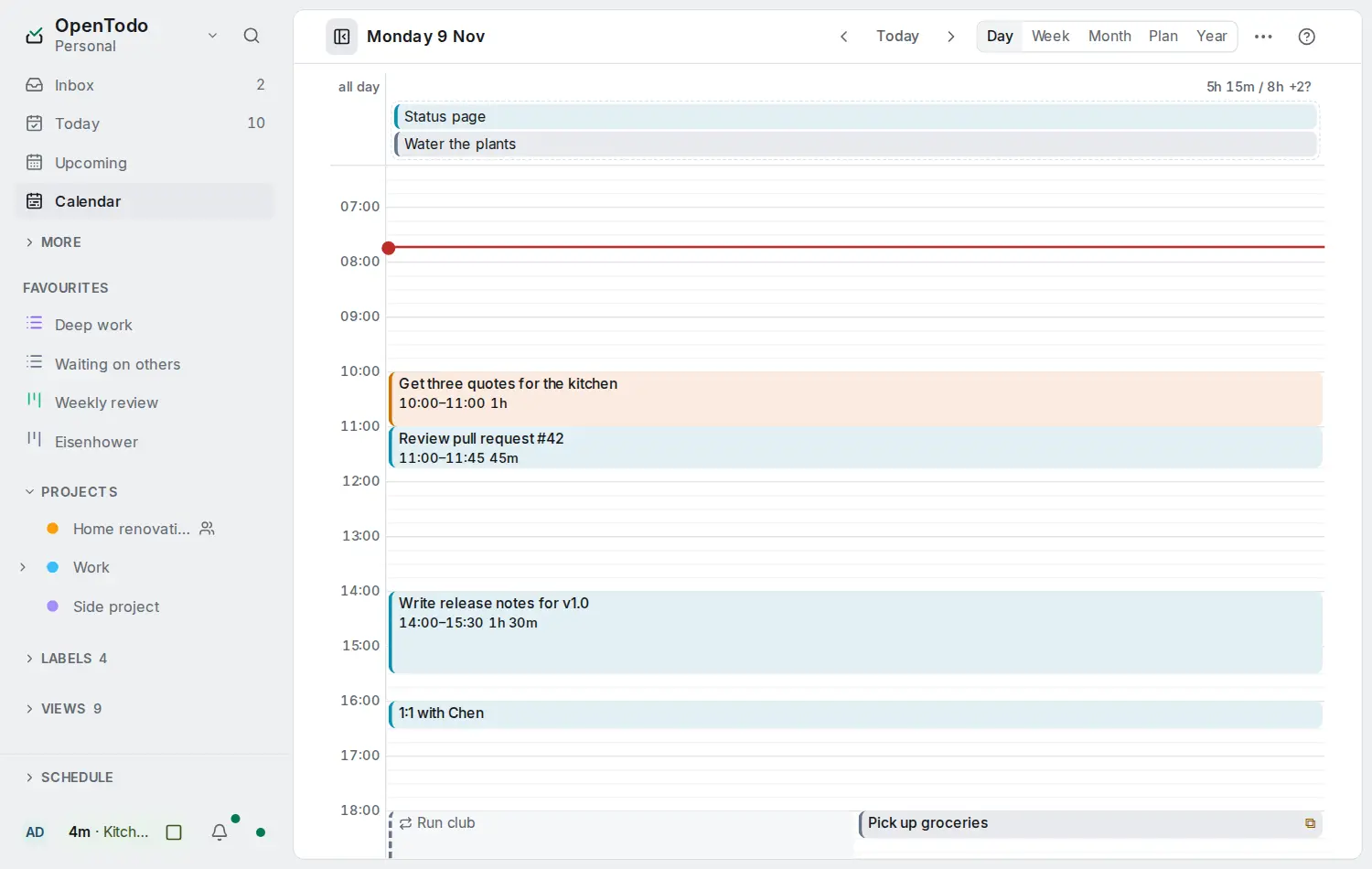
This image illustrates the user interface features of the application mentioned as a full-featured alternative to commercial managers.
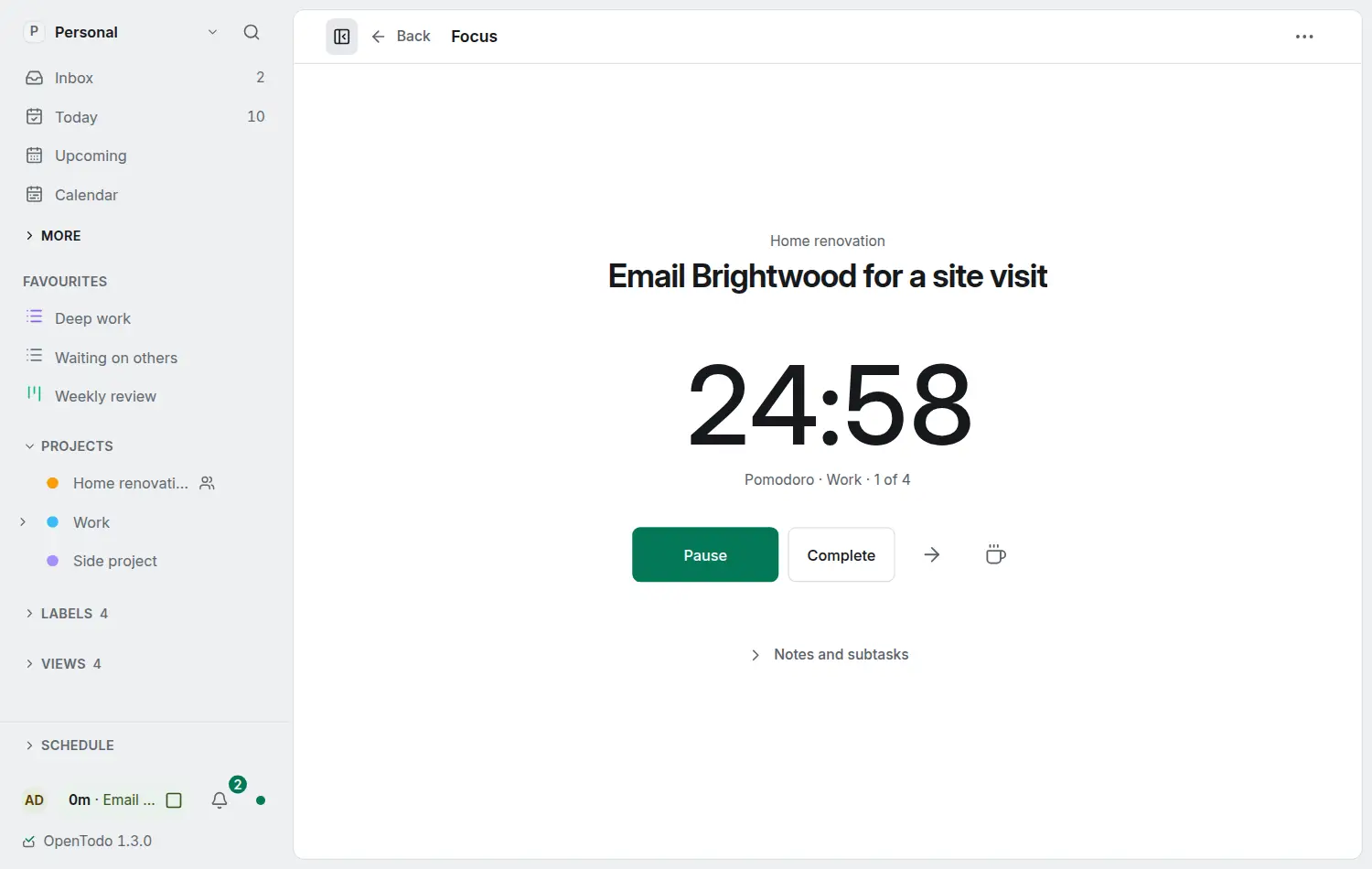
This visual highlights the specific features available in the application's interface.
Local-first architecture and synchronization
OpenTodo is designed to function offline on every device, including phones and computers. Each client keeps a full copy of the task data, which synchronizes with the host server whenever a connection is established.
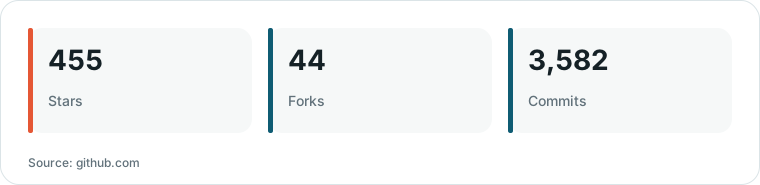
Chart drawn by HN Digest from figures reported by github.com; values are shown as written in the source.
The synchronization mechanism treats every change as a small operation that sets a single field of an entity. These operations are stamped with a hybrid logical clock and a device ID, allowing all devices to agree on the state regardless of the order in which changes arrive.

This visual demonstrates the core functionality of the local-first architecture and synchronization mechanism described in the article.
“Your tasks, your server. An open-source, local-first task manager you can host yourself. Everything you expect from a commercial task app, without the subscription or the lock-in.”
— GitHub - OpenTodoApp/OpenTodo: Your tasks, your server. An open-source, local-first task manager you can host yourself.
Data ownership and privacy controls
The project emphasizes privacy by excluding telemetry, analytics, and third-party scripts. Users have the option to turn on end-to-end encryption, which ensures that the server holds only ciphertext for the stored tasks.
Data management is fully user-controlled; everything lives in a single folder on the user's server. This setup allows for scheduled backups to local disks, S3, or WebDAV, and provides the ability to export or import data at any time.
Deployment and technical trade-offs
The application is packaged as a single Go binary that serves the web app and manages a SQLite file. It is designed to run on low-power hardware, such as a Raspberry Pi, or within Docker containers.
A primary trade-off of this model is the requirement for self-hosting. While it removes subscription fees and data lock-in, users are responsible for managing their own server, configuring reverse proxies, and maintaining their own backup schedules.
What Hacker News readers are saying
- Skeptical: One commenter expressed concern regarding the project's development history, suggesting that the high volume of commits and line changes appeared to be the result of excessive AI-generated content. comment ↗
- Skeptical: Another user questioned the project's visibility on the platform, suggesting it might be due to inflated GitHub star counts or the inclusion of the Go programming language in the title. comment ↗
Summarized opinions from the Hacker News thread, not verified facts. Read the full discussion ↗