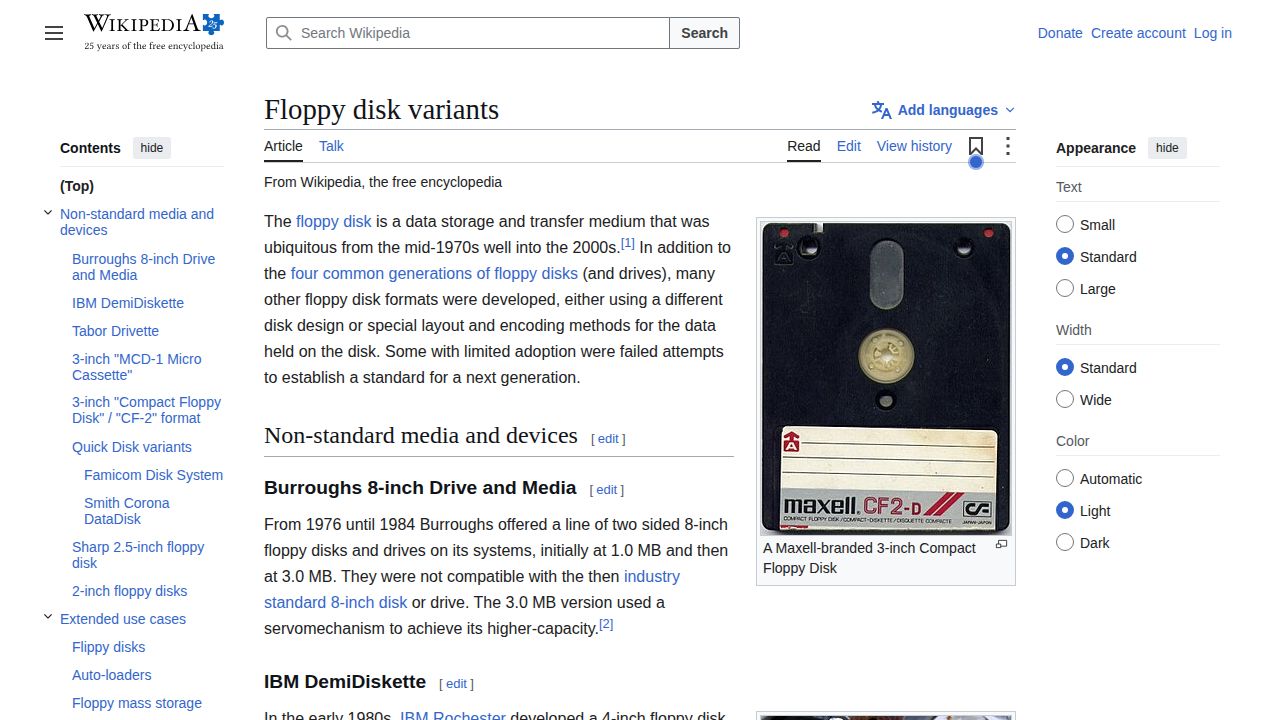
Amstrad's decision to equip its home computers, such as the 8256 (also known as the Joyce), with 3-inch floppy disk drives stands in contrast to the industry's shift toward 3.5-inch standards. This hardware choice was a deliberate move to balance functionality with production costs, leveraging existing technology to maintain a competitive price point for home users.
The 'Cheap'n'Cheerful' Engineering Strategy
The primary explanation for Amstrad's hardware choice centers on the company's reputation for being 'cheap'n'cheerful.' By selecting 3-inch drives, Amstrad could reuse the ubiquitous 5.25-inch controllers and drivers, which significantly lowered the cost of production.
This strategy allowed the company to provide a functional disk interface without the overhead of redesigning the underlying architecture for the emerging 3.5-inch standard, which was not yet the absolute de facto standard at the time of the design decision.
Debunking Hardware Salvage Myths
A common rumor suggests that Amstrad obtained these drives from bankruptcy auctions or by salvaging them from scrapheaps after other manufacturers abandoned the 3-inch format. However, these theories are often dismissed as less likely than the cost-saving engineering explanation.
Critics of the salvage theory point out that if a major manufacturer had gone bankrupt, it would have been more logical to sell off entire computers rather than just the disk drives. The timeline also suggests the choice was made before the 3.5-inch format became unstoppable.
User Experience and Market Context
From a user perspective, the 3-inch drives were functional but often came with a higher price tag than the 3.5-inch drives that eventually became more common. Users noted that 3.5-inch drives eventually offered twice the capacity, making them a more attractive upgrade for those seeking more storage.
The use of 3-inch disks was not unique to Amstrad; they were also employed by Sinclair and smaller British makers like Oric and Tatung. Other companies, including Sega and Yamaha, also utilized the format, though specific models remain less documented.
Discussion Perspectives
In the Hacker News discussion, commenters analyzed the technical trade-offs of the 3-inch format. One commenter noted that while the drives worked well, they were expensive, leading many users to eventually install standard 3.5-inch drives in secondary slots for better capacity.
Others in the thread focused on the hardware's robustness, noting that some variants, such as the DSDD (Double Sided Double Density) versions, were highly regarded for their reliability despite the smaller physical footprint.