The STE80 Humanizer aims to solve a specific problem in the AI era: as models do more of the work, the bottleneck shifts to the human effort required to read and understand their output. By applying a two-pass transformation, the tool converts dense, 'chatty' AI prose into clear, structured text that follows the logic of aerospace maintenance manuals.
The Two-Pass Transformation Method
Most 'humanizers' only perform surface-level word swaps, which often leaves behind long, complex sentences that still feel machine-generated. The STE80 Humanizer uses a dual-pass system to address both vocabulary and structure.
Pass 1 focuses on 'AI tells'—linguistic patterns like 'leverages a robust caching layer' or 'it's not just a...'. These are replaced with direct statements to remove the stylistic fingerprints of large language models.
Pass 2 applies the STE80 rules to rebuild the sentences. This ensures that each sentence contains only one idea, uses the active voice, and avoids 'stacked' qualifiers that can obscure the primary meaning of a technical instruction.
“The goal is text that people read easily. Getting past AI detectors is not a goal.”
— GitHub - Dodaios/ste80-humanizer: STE80 Humanizer: agent skill that removes AI tells and rewrites text 80% of the way to
The Logic of '80% STE'
The tool is based on ASD-STE100, a standard developed in the 1980s for aircraft maintenance. Because the strict 100% version of this standard can sound overly stiff for casual use, the tool targets an '80%' implementation.
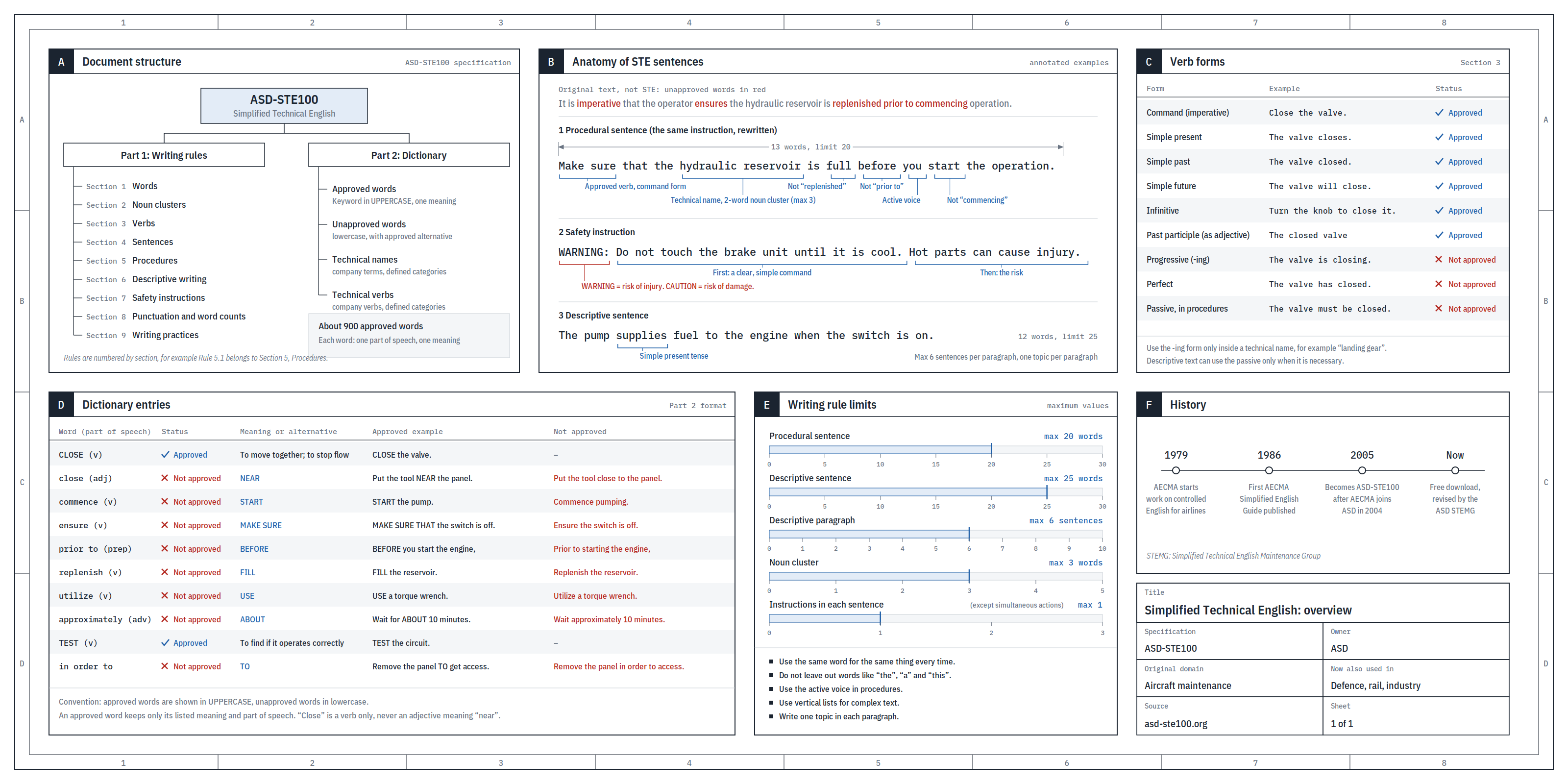
This figure illustrates the underlying logic of the ASD-STE100 standard which the tool adapts.
In this 80% mode, the tool enforces the most critical structural rules—such as sentence length limits and one topic per paragraph—while allowing for more natural word choices and common contractions.
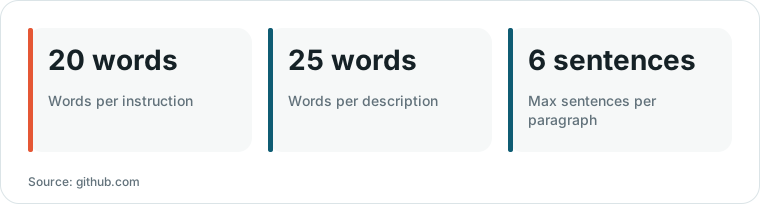
Chart drawn by HN Digest from figures reported by github.com; values are shown as written in the source.
This compromise allows the output to remain readable and professional without the extreme constraints of the full aerospace specification, which bans many common words and verbs.
Fidelity and Limitations
A core design goal of the skill is 'fidelity first.' Unlike some automated rewriting tools that may hallucinate or summarize, this tool is designed to keep every fact and specific value (such as '40+') exactly as they appear in the source.
The tool is currently optimized for English and is intended for explanatory text, such as README files or runbooks. It is not designed for fiction, speeches, or brand copy, where the 'STE' style would be inappropriate.
While the tool includes a Python linter to flag violations, it is a heuristic tool rather than a formal compliance checker. It provides a starting point for clear writing rather than a final certification of technical accuracy.