A monarch butterfly nicknamed Eddie, tagged with a 60-milligram transmitter, traveled 1,258 kilometres from Winnipeg, Canada, to Osage City, Kansas, during its fall migration. This level of granular tracking is made possible by the BlūMorpho device, which allows scientists to monitor the 'Methuselah' generation—a special population of monarchs that live up to nine months to complete a 4,000-kilometre journey to Mexico.
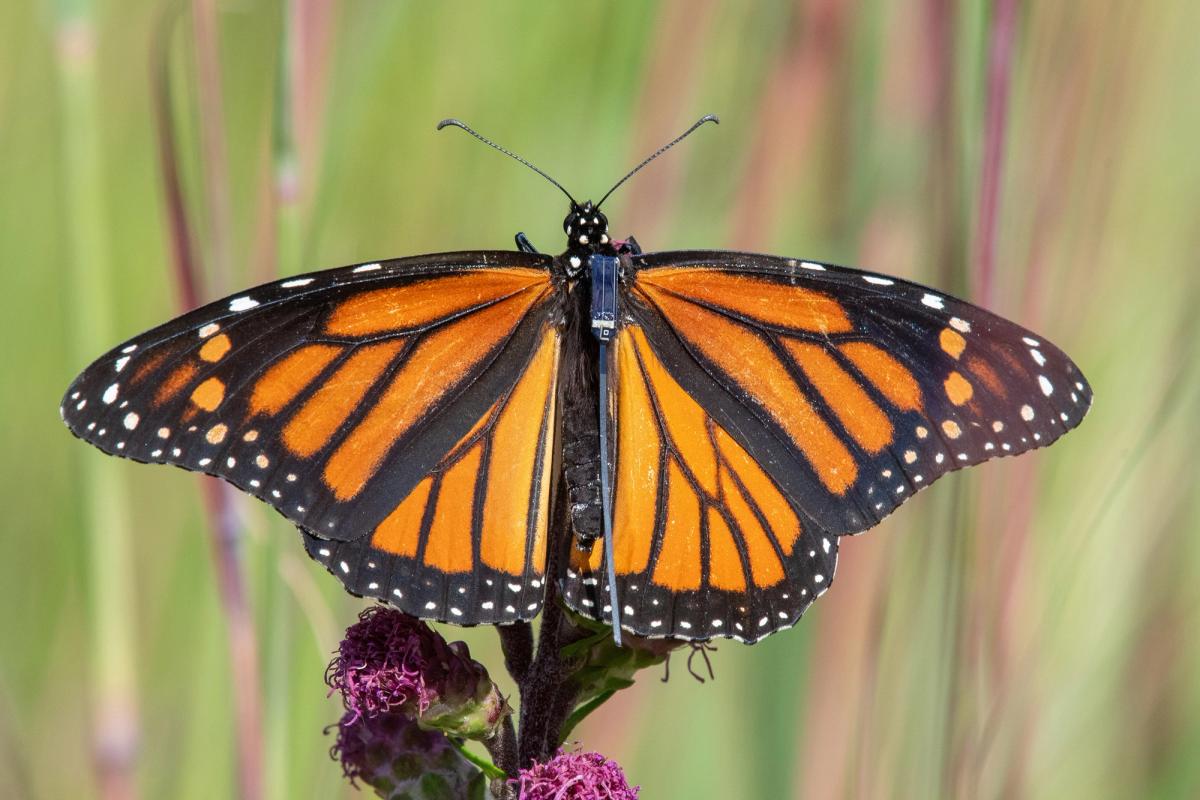
This image provides a clear example of a tagged butterfly in its natural environment, as described in the opening paragraph.
The BlūMorpho Tracking Mechanism
The BlūMorpho transmitter, designed by Cellular Tracking Technologies (CTT), is engineered to be light enough to function as a 'butterfly carry-on.' It weighs approximately as much as three uncooked grains of rice and is affixed to the butterfly's thorax using a small amount of eyelash glue.
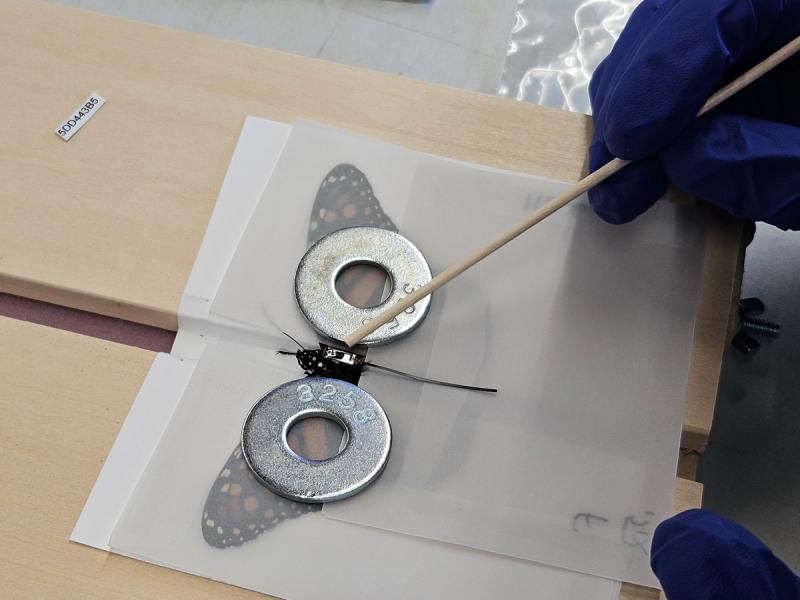
This image illustrates the delicate process of attaching the lightweight tracking device to the butterfly.
To maintain a low weight profile, the device replaces a traditional battery with a tiny solar panel. It emits a signal every second on the 2.4 gigahertz frequency, which is the standard range for Bluetooth receivers.
“Getting migration data is like the Holy Grail to piecing together a monarch’s full life cycle,”
— The tiny transmitter tracking monarch butterflies’ migration from Canada to Mexico
Crowdsourced Data Collection
The tracking system relies on a combination of dedicated wildlife receivers and the ubiquitous presence of civilian mobile devices. Any smartphone or tablet within 100 meters of a tagged monarch will acknowledge the signal and pass the location data to the Project Monarch server, provided the device has Location Services and Bluetooth enabled.
This infrastructure allows researchers to map accurate paths for thousands of butterflies. For example, one tagged monarch, MB26011, was tracked following a remarkably straight 2,761-kilometre route to the Sierra de Zapalinamé mountain range in Mexico.
Conservation and Habitat Mapping
The primary goal of Project Monarch is to use this migration data to guide conservation decisions for an endangered species. By identifying 'gas stations'—areas with sufficient nectar-producing flowers—researchers can determine where butterflies successfully refuel and where they may be dying due to a lack of habitat.
Local communities are already using this data to establish 'monarch waystations.' These are plots of native plants, such as milkweed and goldenrod, designed to create a continuous transcontinental route for the butterflies to navigate safely between Canada and Mexico.
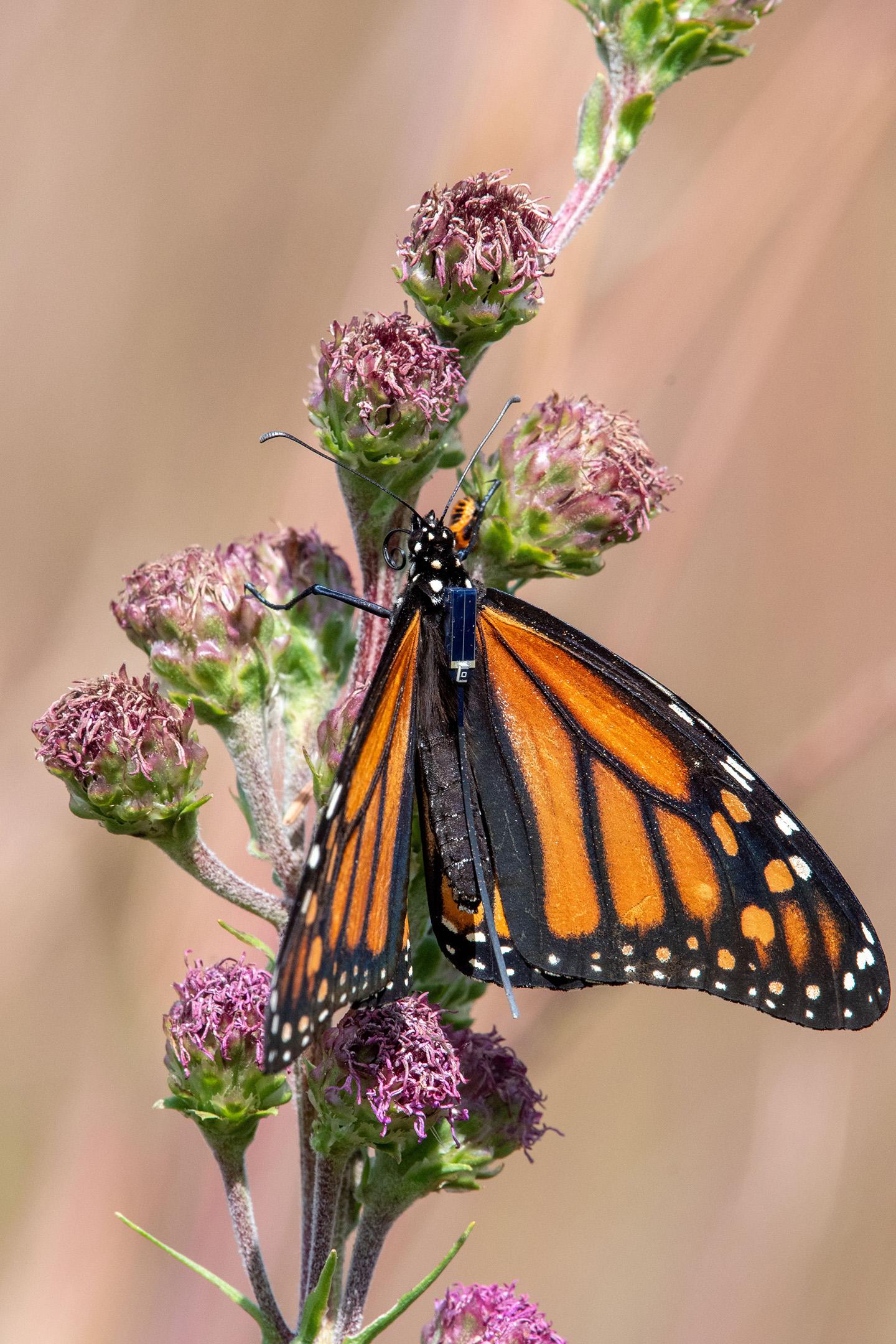
This visual supports the description of community-led habitat restoration and the creation of 'gas stations' for the butterflies.
Environmental Challenges and Limitations
Despite the technological advances in tracking, the monarch population faces significant threats from climate change, suburban sprawl, and the widespread use of herbicides in large-scale farming, which destroys milkweed—the butterfly's primary food source.
While the BlūMorpho provides unprecedented insight into the migration, the source does not specify the exact failure rate of the transmitters or the specific percentage of the 1,300+ tagged butterflies that successfully reach their wintering grounds.