In the early 1990s, Claudio Grossi discovered a sack of old, unidentified seeds in the attic of his farm near Parma, Italy. Believed to have been left by his great-grandfather around 1915, the seeds were dry and cracked, appearing unlikely to sprout. However, when Grossi planted them in a manure pile, they produced a striking variety of wheat. One specific type grew significantly taller than commercial wheat, reaching heights of six feet. Most notably, these plants developed seven ears of grain on a single stalk—a physical trait that Grossi, a lifelong grain farmer, had never observed in standard agricultural varieties. The kernels also displayed a diverse range of colors, including yellow, black, red, white, and green.
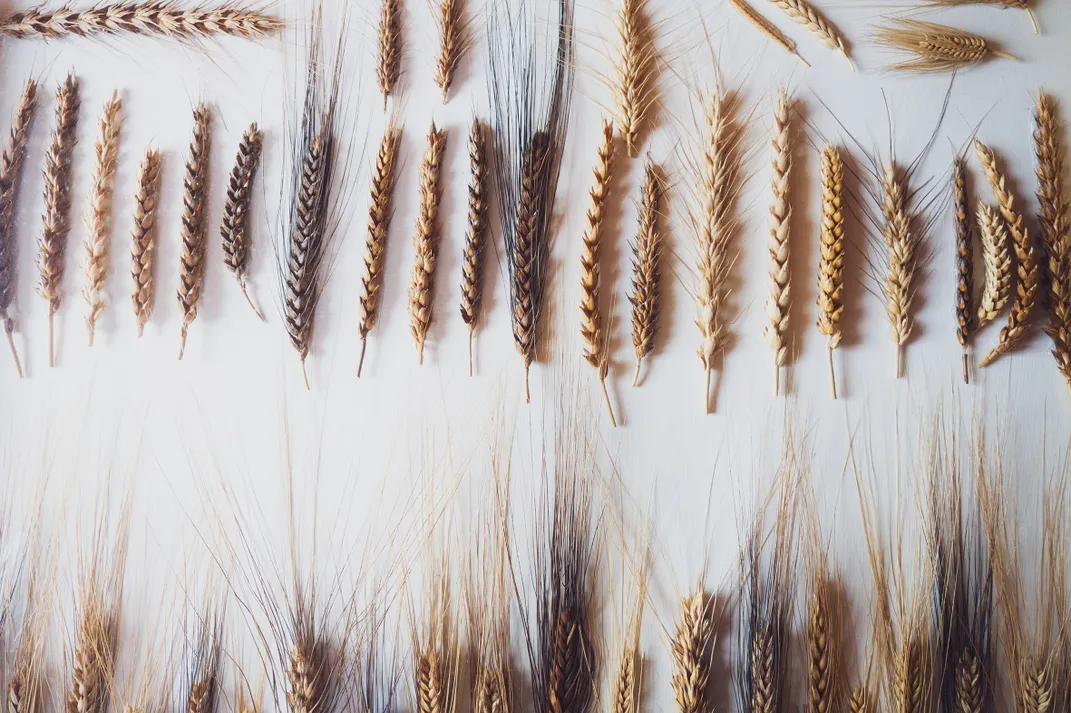
This image illustrates the specific physical traits of the Triticum turgidum variety, such as the unique ears of grain described in the first paragraph.
Scientific analysis later identified the grain as Triticum turgidum, also known as 'poulard wheat.' This variety originally evolved in Mediterranean regions like Turkey and Egypt and was common in Italy before farmers shifted toward high-yield commercial varieties in the 20th century. Research conducted by Beniamino Perobelli at the University of Parma revealed that this ancient grain is richer in phosphorus and iron than modern wheat. Furthermore, it contains less gluten but higher levels of essential amino acids like lysine, tryptophan, and arginine. While the grain is hardier and more drought-resistant than industrial varieties—requiring no fertilizer or herbicides—it faces a physical trade-off: its extreme height makes it susceptible to being flipped over by heavy winds or hail. To mitigate this, Grossi now plants the 'miracle grain' alongside shorter wheat varieties to provide structural support.
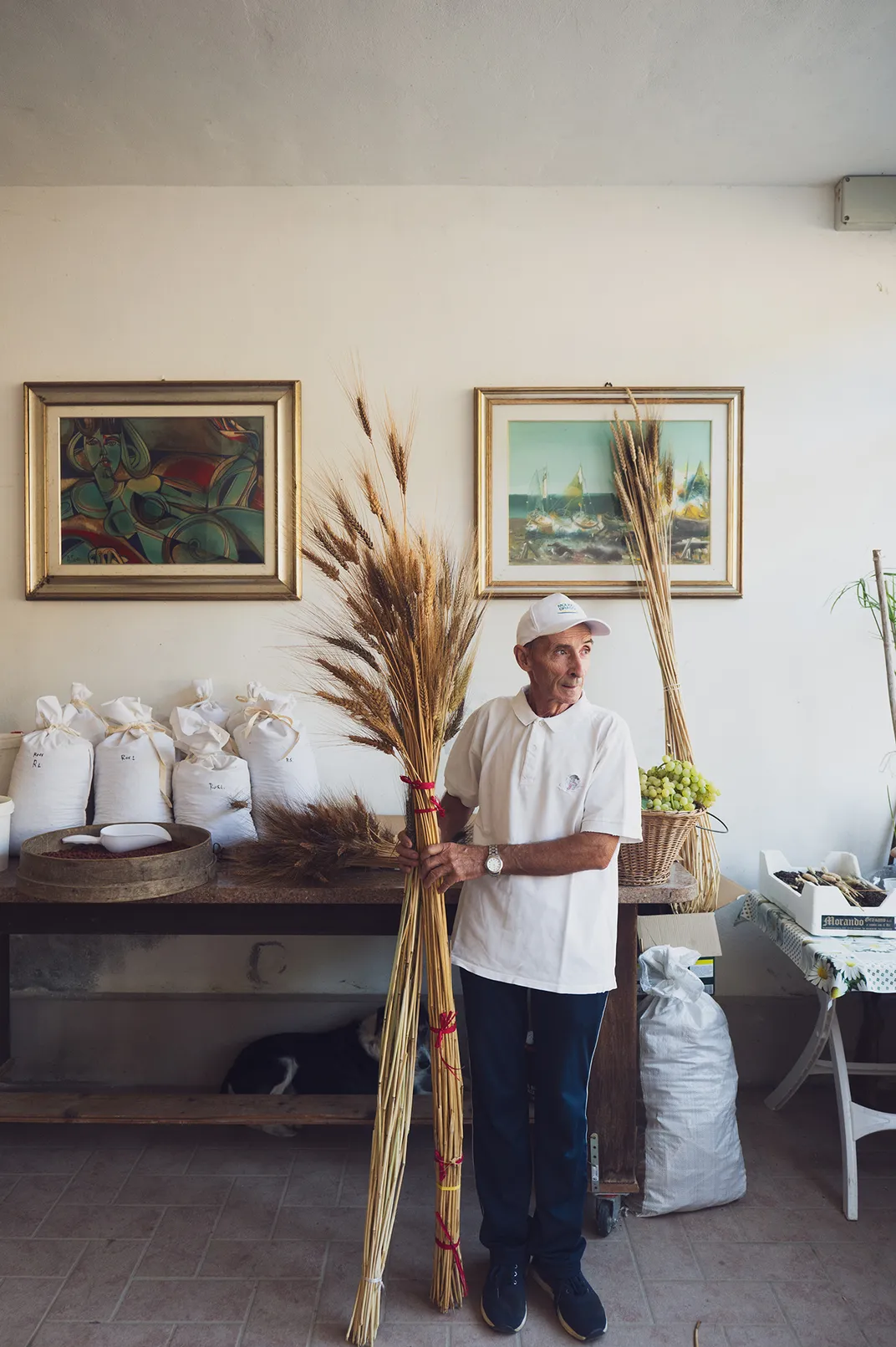
This photo provides a visual of the farmer and the physical scale of the grain mentioned in the text.
Grossi’s efforts to bring this grain back to the market have faced technical hurdles, particularly regarding baking. Because the dough from this wheat leavens poorly, Grossi collaborated with a local baker to develop specific techniques, such as using taller wicker baskets and reducing kneading time to help the bread hold its shape. Today, the grain is being offered to artisanal bakers as part of a broader movement toward crop biodiversity. Proponents of heritage grains argue that diversifying the global wheat supply is a necessary defense against climate-driven agricultural disasters, as modern monocultures are increasingly vulnerable to extreme heat and disease. While the 'miracle grain' remains a niche product, it serves as a practical example of how ancient agricultural varieties can offer resilience in a changing climate.