Rob Manuel, a writer and co-founder of B3ta.com, has authored a niche hardback book titled '81 Jokes for the ZX81.' The project is centered on a specific, self-imposed creative constraint: every joke in the collection is illustrated using only the character set of the Sinclair ZX81, a home computer released in 1981. Beyond the jokes, the book includes Manuel's personal reminiscences and comic reflections on the culture of computing, creativity, and technology during the 1980s. The work is positioned as a high-effort tribute to a specific era of hardware, blending retro aesthetics with a narrative on the evolution of digital culture.
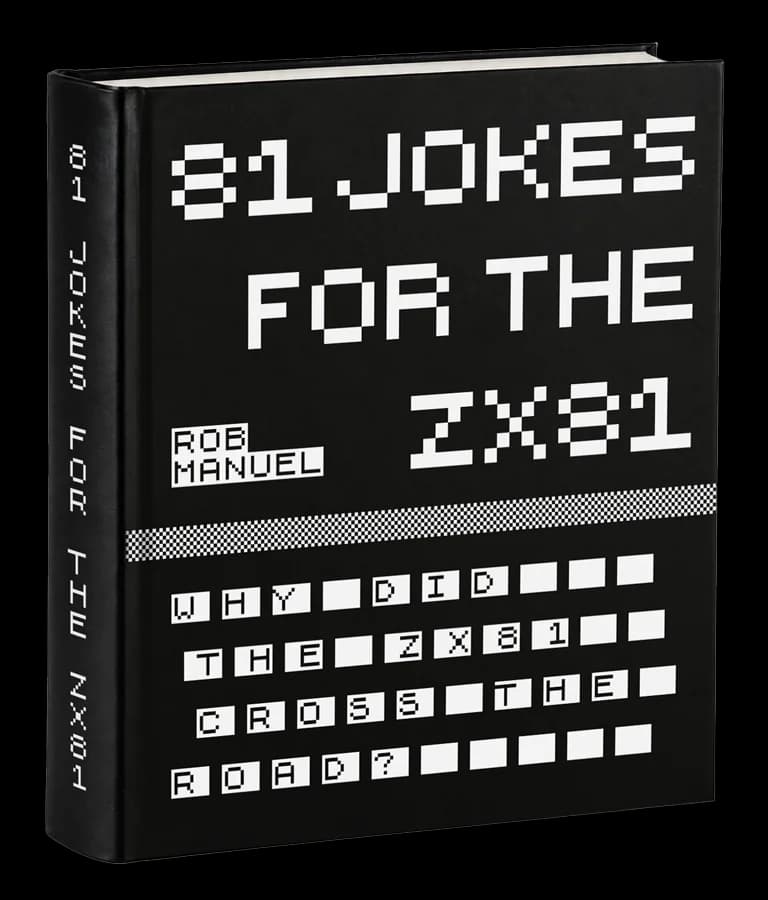
The book is a high-effort tribute to the 1980s computing era, blending retro aesthetics with a narrative on digital culture.
The technical appeal of the book lies in its adherence to the ZX81's limited graphical capabilities. Because the machine had a very low color count and a specific set of characters, the illustrations are described as 'painstakingly drawn' to fit these constraints. Some observers have noted that this style of restricted graphics mirrors the 'pixel art' aesthetic that remains popular in modern indie game development. By utilizing the original 1981 graphics, the book serves as a functional piece of digital archaeology, preserving the visual language of a machine that was a significant milestone in the early home computing boom.
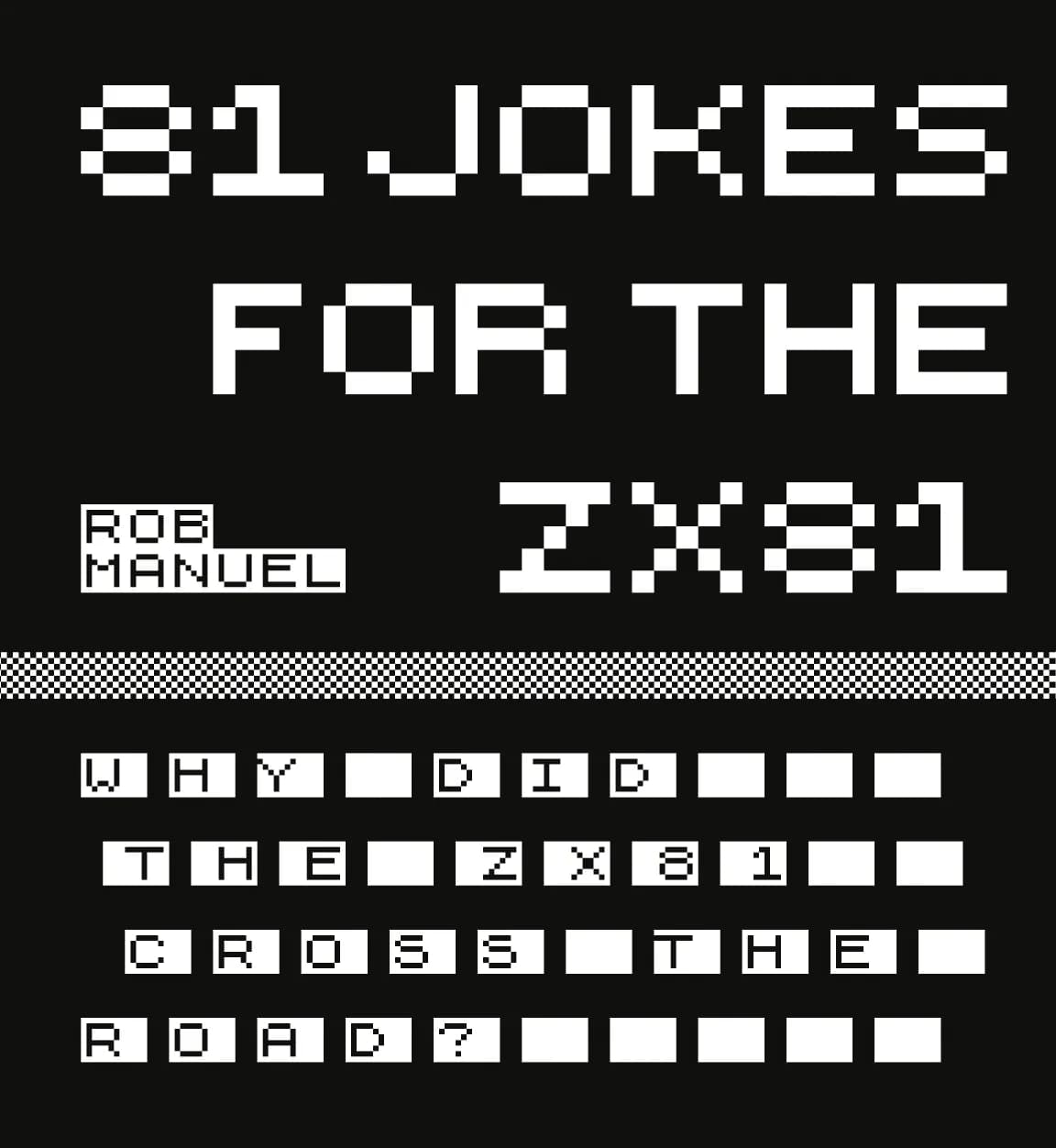
The technical appeal of the book lies in its adherence to the ZX81's limited graphical capabilities and specific character set.
For many enthusiasts, the ZX81 represents a formative period in the history of programming. Community members have shared memories of the machine as a 'different beast' compared to the pocket calculators of the era, noting that it allowed users to create almost anything. The experience of using the ZX81 was often defined by the slow, cumbersome process of loading software from cassette tapes, which frequently required users to memorize long strings of BASIC code to avoid the frustration of tape failures. While the book is described by some as 'ridiculously niche,' it targets a specific audience that remembers the 'thrill of creation' on early hardware, where the limitations of the machine were as much a part of the experience as the software itself.