The PineTime is an open-source, affordable smartwatch developed by Pine64. Unlike high-end smartwatches, it is designed as a programmable device with a 64 MHz ARM Cortex-M4 processor and a very limited memory footprint of 64 KB of RAM. Because the Bluetooth stack and the MicroPython runtime consume a significant portion of this memory, developers are left with only about 12 KB of RAM for applications. This constraint necessitates highly optimized software and efficient resource management.
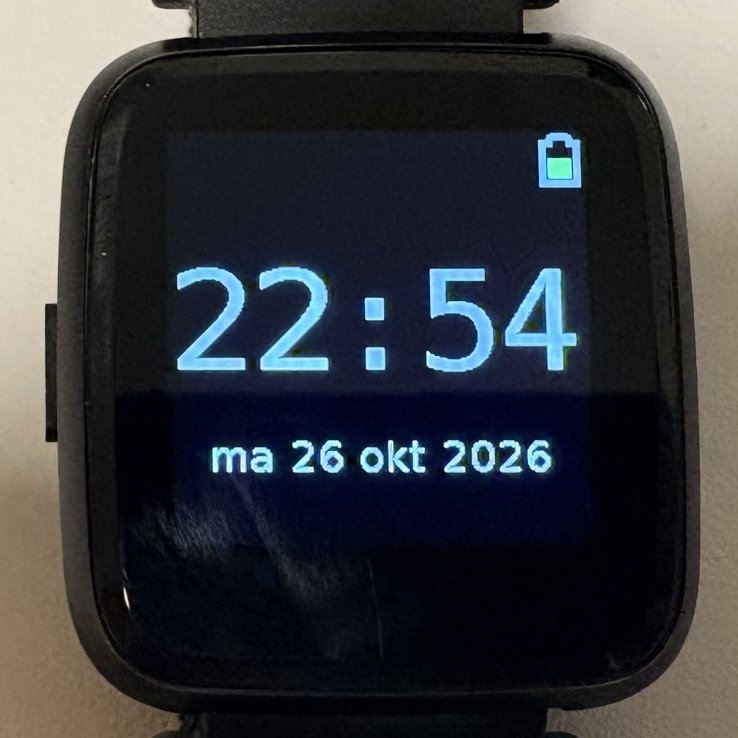
This image illustrates the PineTime hardware, which serves as the platform for the wasp-os project.
To address the stagnation of the wasp-os project, a developer recently undertook a significant overhaul to move the OS from a 2019 MicroPython fork to the mainline MicroPython distribution. This transition involved submitting three pull requests to the upstream MicroPython project—covering frozen native code, PWM allocation, and ADC sample time options—which were subsequently merged. The update also introduced several technical improvements: the build system now uses the `uv` tool for managed Python tooling, firmware flashing over Bluetooth is faster and more descriptive via the `bleak` library, and a watchdog was implemented to automatically reset the watch in the event of a system hang.
One of the most critical optimizations involved the external flash filesystem. By aligning the filesystem with the chip's native 4 KB blocks, the developer eliminated a permanent 4 KB buffer, increasing the available free RAM at boot from 7.1 KB to 12.4 KB. While this is a modest increase in absolute terms, it represents a significant percentage of the total available memory on the device. Despite these improvements, the hardware remains highly constrained; for example, a single full-screen raw pixel image would consume nearly a third of the 330 KB firmware flash limit, leading to the implementation of a custom run-length encoded image format to keep the footprint under 12 KB. While the current PineTime remains a niche platform for MicroPython enthusiasts, a successor model, the PineTime Pro, is expected to offer a more robust environment with a dual-core processor and an AMOLED screen. editorial.evidence_sufficient: true,
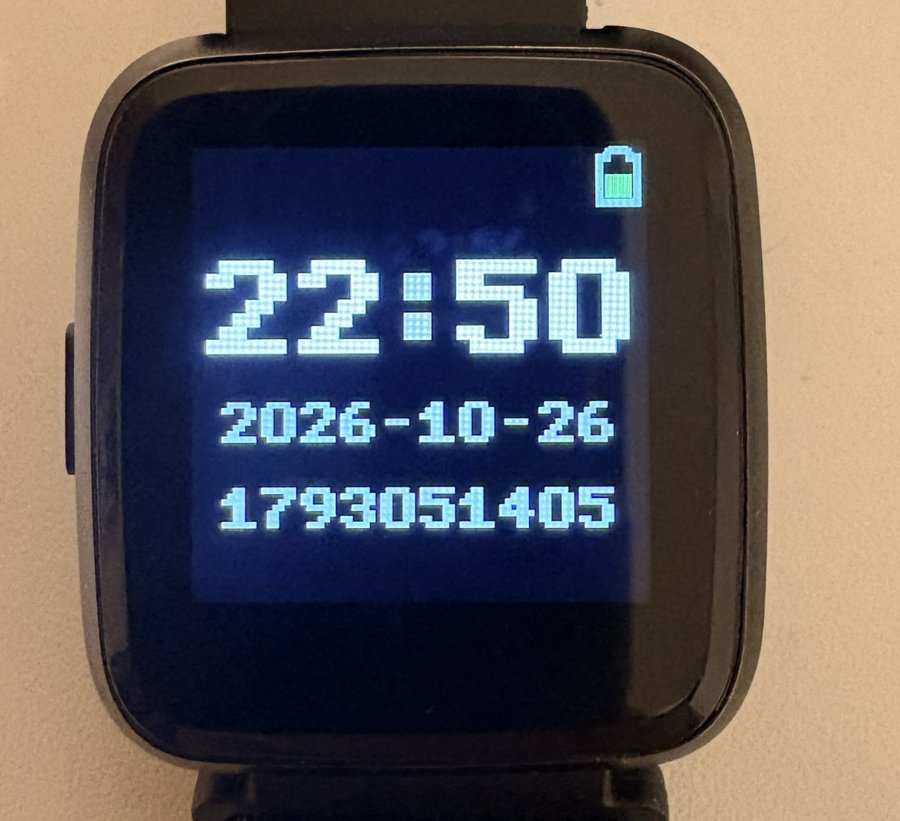
This visual demonstrates the display output on the PineTime, which requires optimized image formats due to memory limits.