Digital content on large platforms like YouTube is often subject to removal, meaning 'liked' videos or saved playlists can become unavailable at any time. To counter this, some users are turning to local archiving to ensure permanent access to the media they value. The primary tool for this task is yt-dlp, a command-line utility that supports downloading videos from various sites. For most users, yt-dlp or its various graphical wrappers provide a straightforward way to move content from a corporate server to a local storage device, such as a Network Attached Storage (NAS) system.
Managing a large-scale archive—potentially hundreds of videos—requires more than just a download script; it necessitates a structured organizational system. One advanced method involves using ytdl-sub, a wrapper that utilizes YAML files to maintain playlist structures. This can be integrated with media servers like Jellyfin, which is typically designed for movies and TV shows. By configuring a YouTube library in 'TV Shows' mode, users can organize content into seasons and episodes. However, this requires technical 'finagling' to ensure that metadata, such as playlist titles and season numbers, correctly maps to the media server's rigid organizational structure without creating duplicate entries.
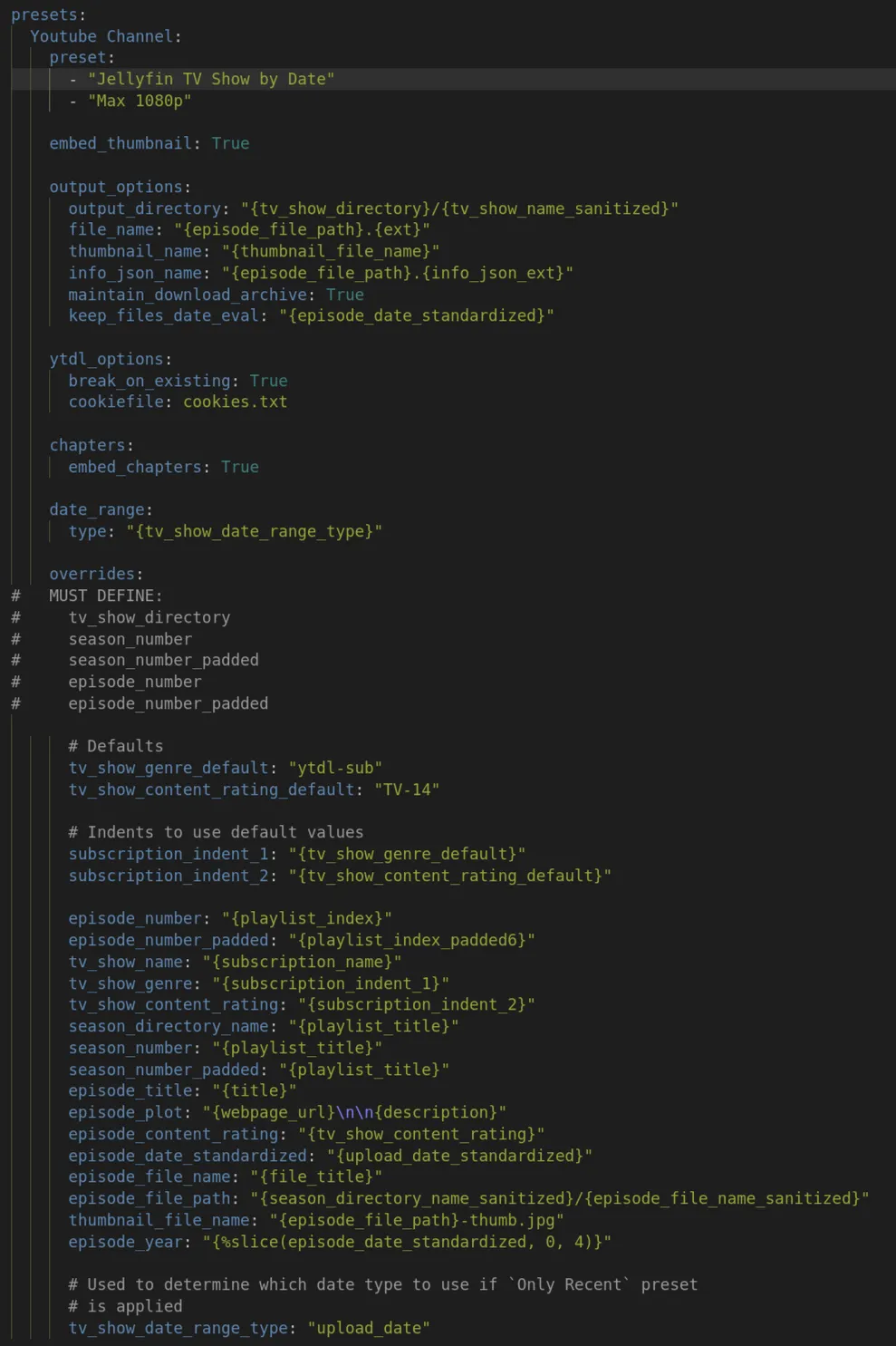
The article describes using ytdl-sub with YAML files to maintain structured playlist data for media servers.
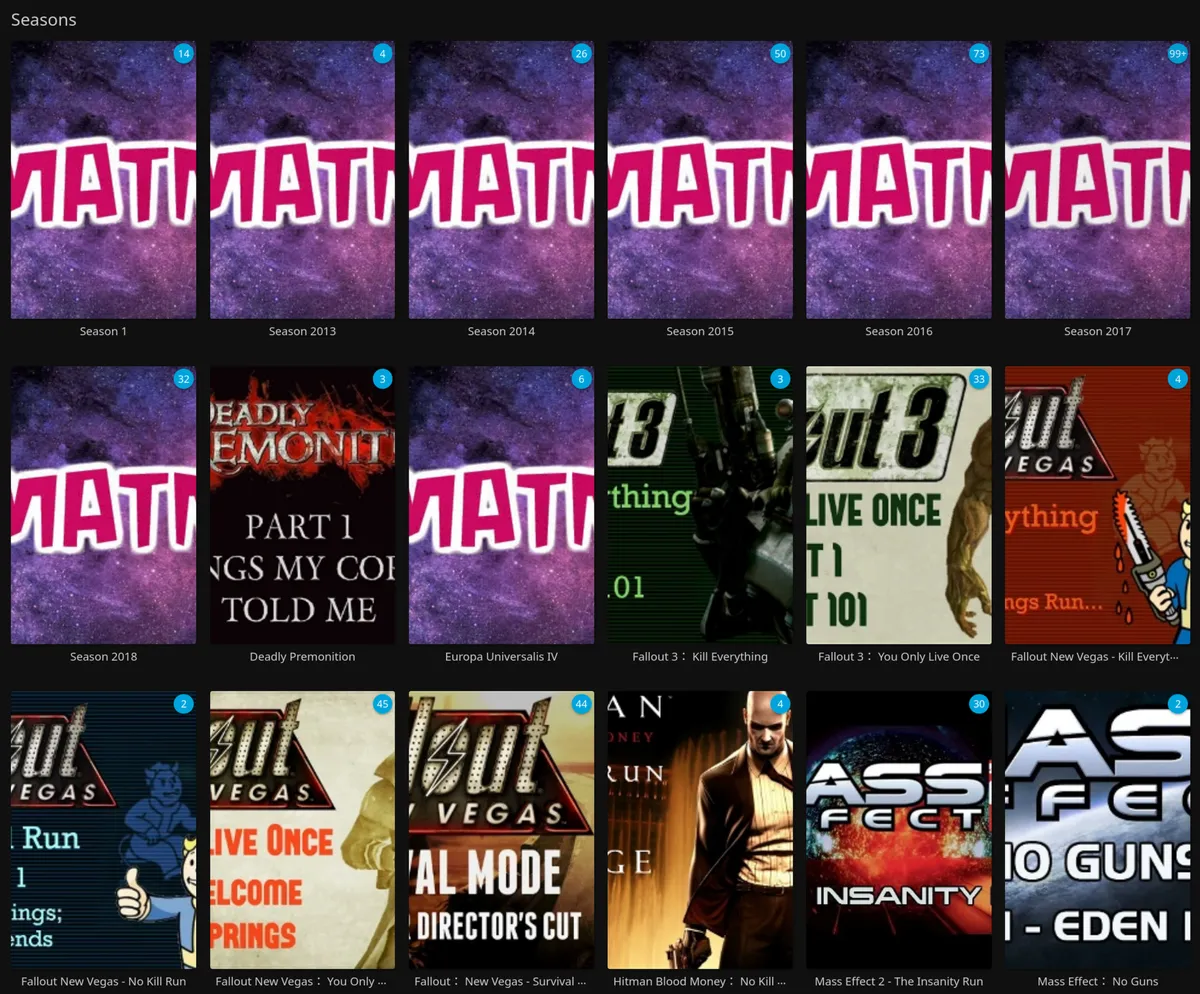
The text explains how users can integrate YouTube libraries into Jellyfin by configuring them into 'TV Shows' mode.
A significant bottleneck in local archiving is storage space. To manage large libraries, some users employ services like Tdarr to automatically re-encode videos into more efficient formats, such as HEVC/H.265. This process creates a direct trade-off: it significantly reduces the storage footprint—potentially saving hundreds of gigabytes—but requires substantial processing power to handle the heavy encoding tasks. While these complex workflows are often considered 'overkill' for the average viewer, they provide a way to transform a transient stream of content into a permanent, searchable, and organized personal library.