A study published in JAMA Network Open estimates that approximately 75% of professional football players who died over a 15-year period (2008–2023) showed signs of chronic traumatic encephalopathy (CTE). This figure is three times higher than a previous estimate by the same research group, which suggested that one-quarter of players who died in a five-year span had the condition. The research, led by Yorghos Tripodis of the Boston University Alzheimer’s Disease and CTE Center, analyzed data from 396 donated brains and 1,966 other deceased former players to arrive at this estimate.
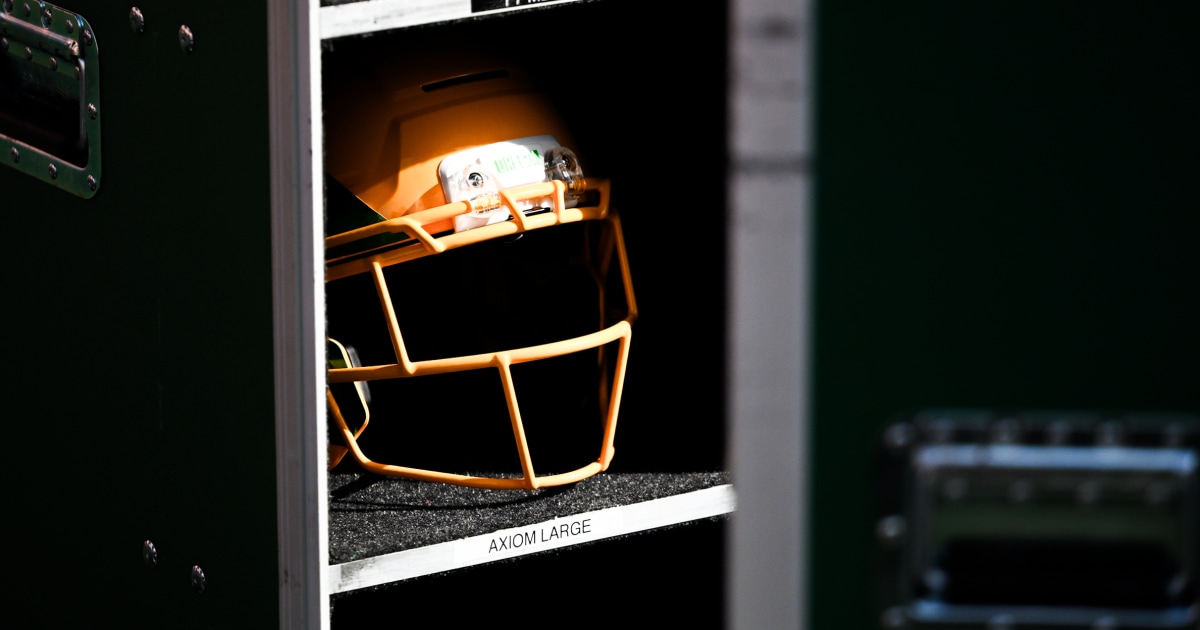
This image provides a visual anchor for the discussion on professional football players and the development of CTE.
The biological mechanism of CTE involves repetitive head impacts that cause the brain to slam into or twist within the skull. These repeated blows allow proteins called tau to build up in the brain, leading to structural damage in areas responsible for regulating behavior and emotions. Such damage can manifest as memory loss, depression, and violent mood swings. While these symptoms can overlap with other neurodegenerative diseases like Parkinson’s or dementia, the signature left by CTE on the brain is unique. However, because these microscopic changes do not appear on standard brain scans, the condition can currently only be definitively diagnosed during an autopsy.
To improve the accuracy of these figures, researchers had to account for a significant 'donation bias.' Families of players exhibiting cognitive decline are roughly five times more likely to donate a brain to a research bank than families of players without symptoms. To correct for this, the team combined data from the UNITE Brain Bank with national death records and factored in the ages of death and estimated rates of cognitive impairment in players over 50. Despite these adjustments, the study remains an estimate because researchers lacked autopsy data for the majority of the deceased players analyzed. Beyond cognitive issues, blunt head trauma is also linked to other physical impairments, such as permanent hearing loss and tinnitus, which some retired players report experiencing as a result of career-long concussions.