A major rail disaster occurred on October 28, 2026, in the Toledo province of Spain when a high-speed train traveling from Madrid toward Seville struck another train that had stopped on the same track. The collision took place between the towns of Urda and Los Yébenes. The impact, which occurred at a speed exceeding 100 kilometers per hour (62 miles per hour), caused two carriages of the stationary train to derail and plunge down a gravel embankment. Authorities have confirmed at least 64 fatalities, though officials warned that the death toll is expected to rise as rescue teams continue to sift through the wreckage.
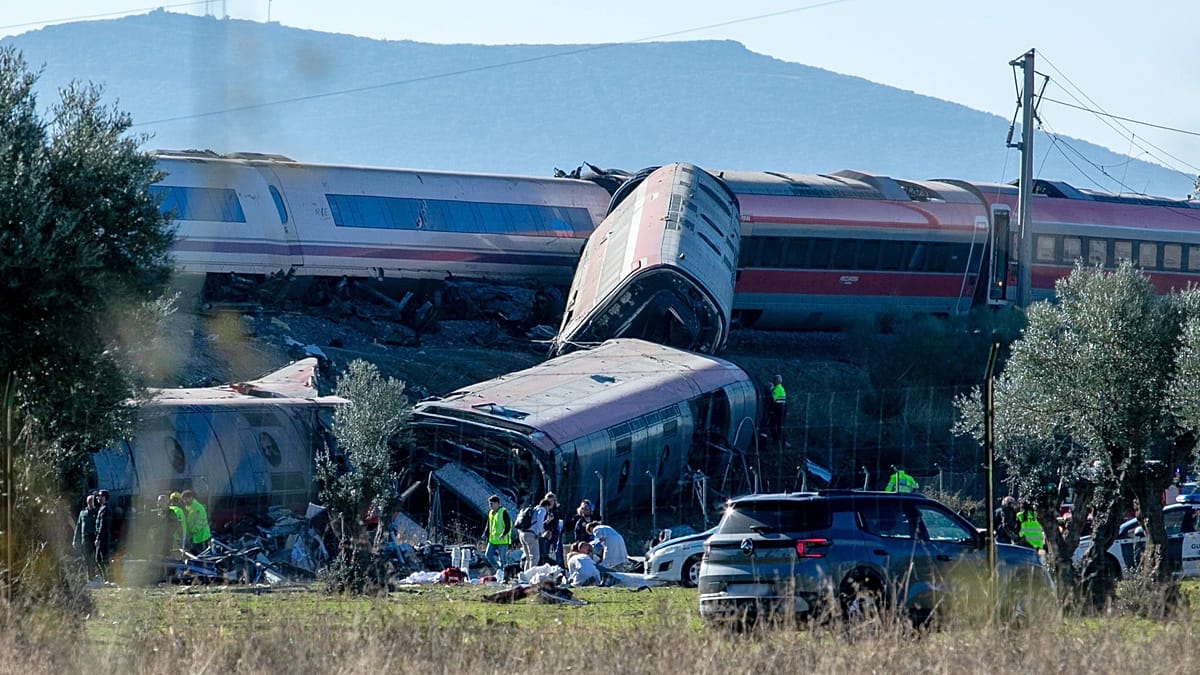
This image illustrates the physical impact and wreckage described in the first paragraph of the report.
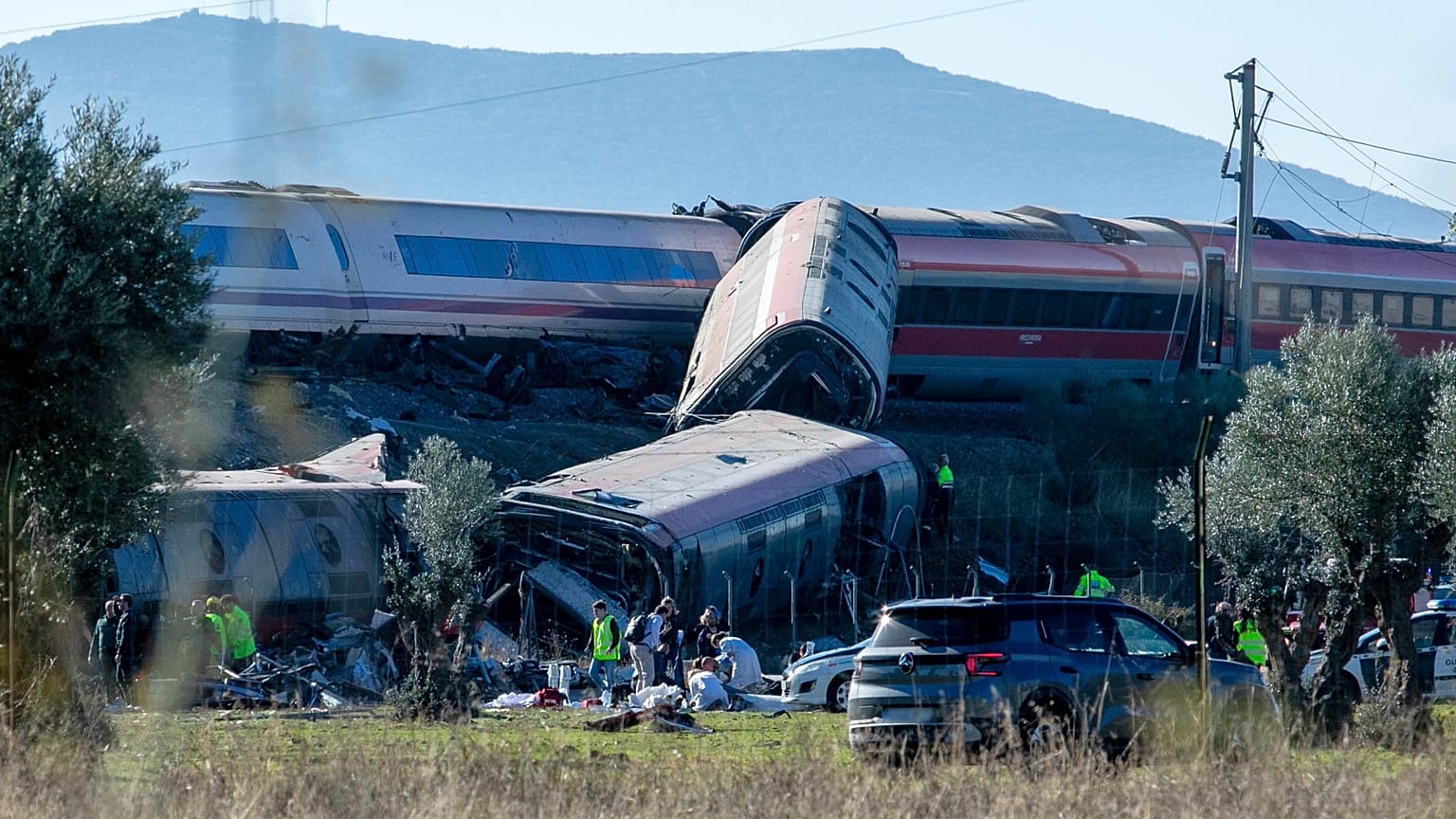
This photo depicts the emergency response and rescue efforts mentioned in the first paragraph.
The incident involved two different rail operators: a Renfe AVE train carrying 397 passengers and an Iryo service with 147 people on board. Initial investigations suggest that the Iryo train was stationary when it was struck from behind. While the exact cause remains under investigation by the railway infrastructure manager, Adif, some reports indicate that the collision may have been triggered by a combination of technical and human factors. Specifically, it is suggested that an operator at Madrid’s Atocha station may have given the Renfe train the 'all-clear' to proceed despite the presence of the stationary Iryo train ahead.
This tragedy marks the second major high-speed rail accident in Spain in 2026, following a January collision in southern Spain that killed 45 people. The recurring incidents have intensified scrutiny of the country's extensive high-speed rail network. Preliminary findings point toward a potential failure in the automated signaling systems; while these systems are designed to be automated, they rely on manual operation when signals fail. The accident has forced the suspension of rail services between Madrid and Andalusia, disrupting over 100 services and prompting an urgent appeal for blood donations from Madrid's transfusion center to handle the influx of injured passengers.