A smart home device that requires a cloud connection to perform a basic task, such as a grill controller needing Wi-Fi just to display its current temperature, represents a significant point of failure for homeowners. To mitigate these risks, some users are adopting a 'local-first' architecture where the primary logic and device communication occur entirely within the home's internal network.
The Risks of Cloud Dependency
Many modern smart home devices are designed as 'black boxes' that rely on a manufacturer's cloud server to function. If that server goes offline, or if the company goes out of business and shuts down its API, the hardware can become useless. Examples include smart fridges that cannot change temperature due to app bugs, or meat thermometers that stop working entirely once the supporting company ceases operations.
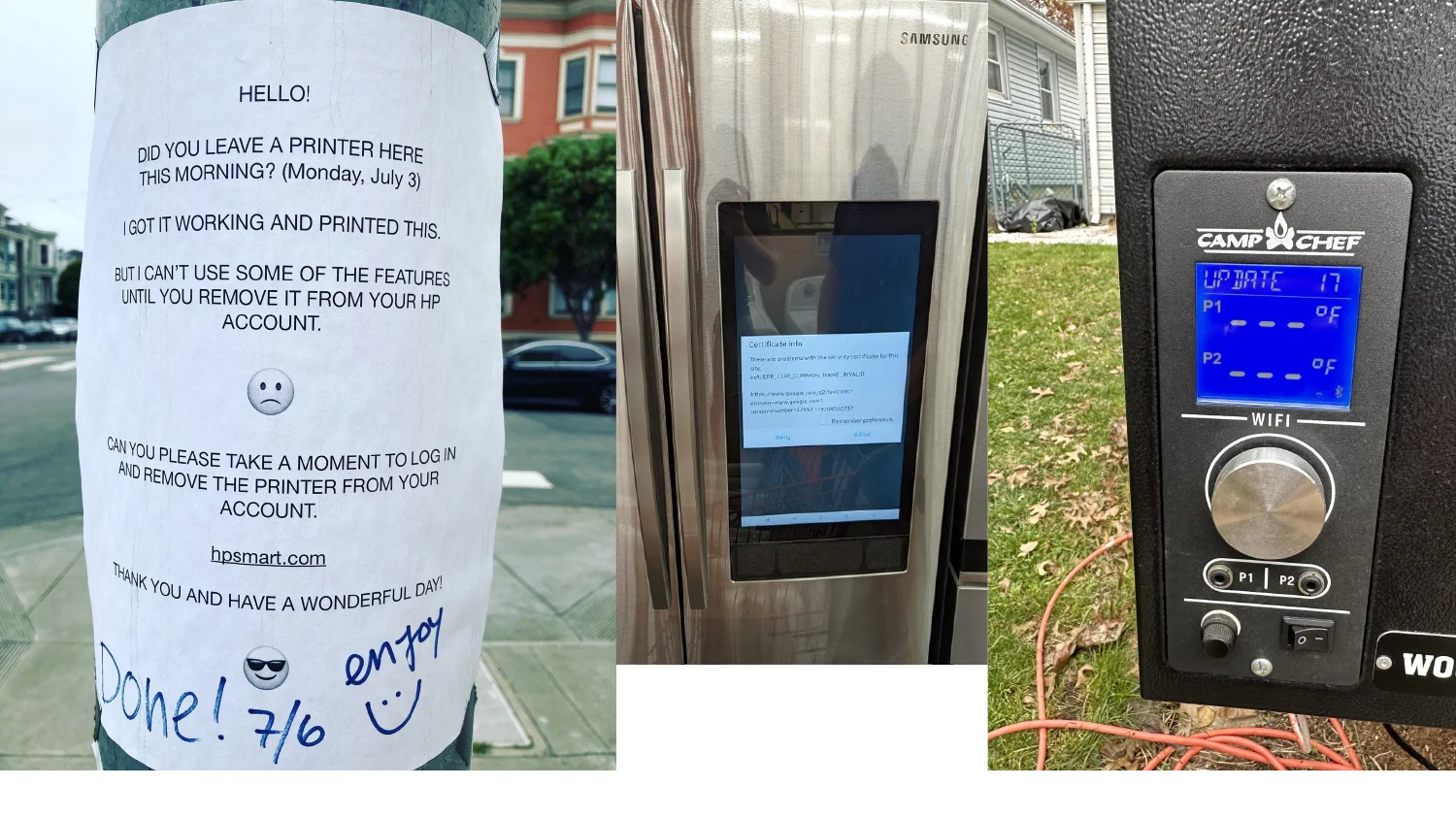
This image illustrates the specific examples of cloud-dependent devices mentioned in the text, such as smart fridges and grill controllers.
Beyond service outages, cloud dependency creates a single point of failure for the user's daily life. If a thermostat or a smart lock requires an active internet connection to respond to a command, a simple ISP outage can render the home's infrastructure unresponsive. A local-first approach treats the internet as an optional secondary path for remote access rather than a requirement for basic operation.
“No internet, no problem. Core stuff has to work with the internet unplugged.”
— Smart home devices should work without the internet — Do Code That Matters
Architecture of a Local-First System
A robust local-first setup relies on a decoupled communication pattern, often using the MQTT protocol. In this model, a sensor publishes its data to a local broker, and any authorized device—such as a dashboard or a phone—subscribes to that data. This ensures that the sensor does not need to know who is listening or how the data is being used, making the system more agile and easier to modify.
The infrastructure typically involves a central hub, such as a Raspberry Pi, running automation logic through tools like Node-RED. Devices are often powered by ESP32 microcontrollers running Tasmota firmware, which allows them to be flashed with local-only capabilities. This setup enables complex flows, such as a garage door opening only when a phone is present but the car is not, to run entirely on local hardware.
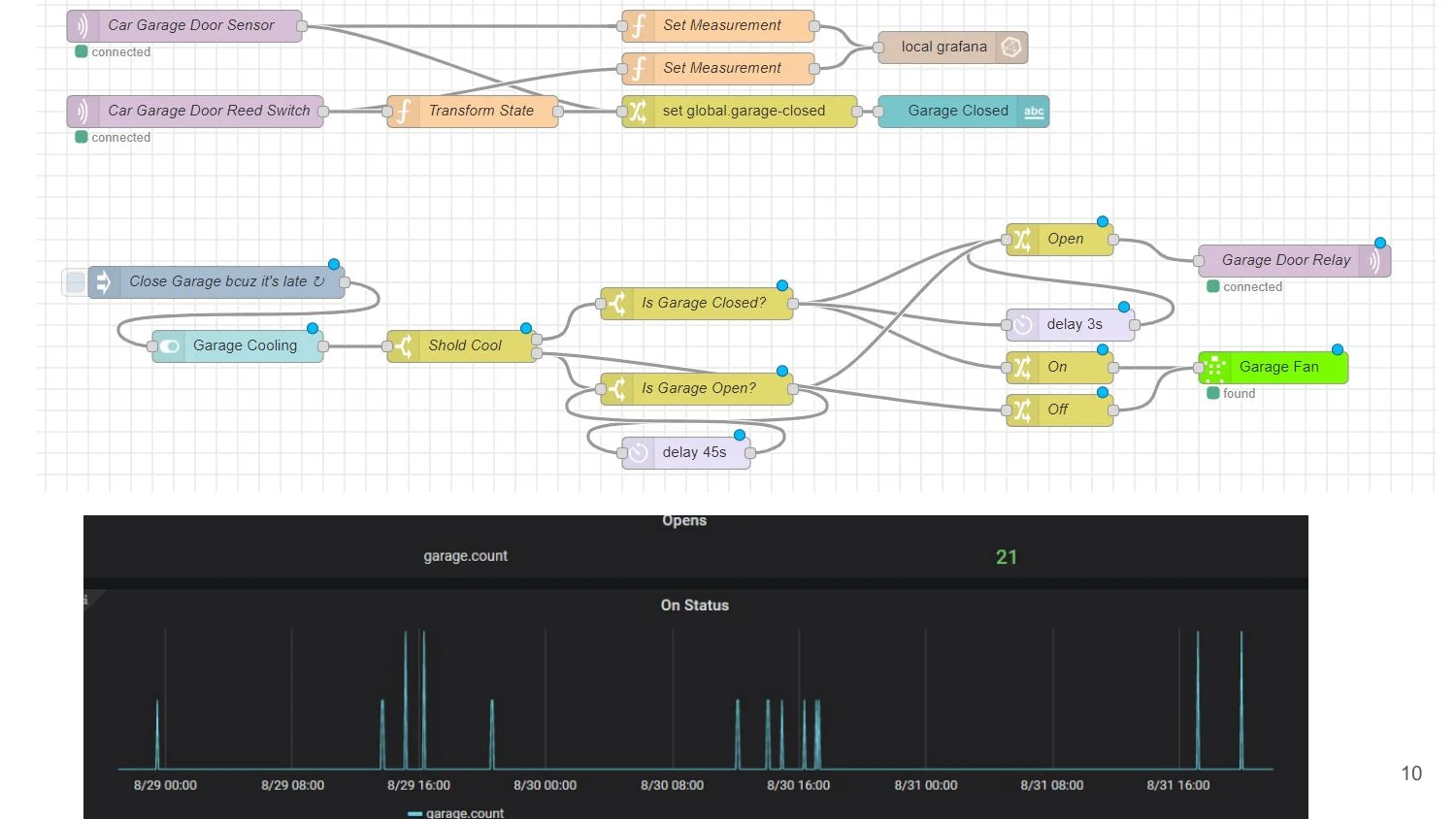
The image shows the Node-RED automation logic and data flow described in the architecture section.
Trade-offs and Practical Implementation
While local-first systems offer superior reliability and privacy, they require a higher level of initial effort and technical configuration. Users must manage their own hardware, which may include 3D-printed enclosures, custom PCB layouts, and manual firmware flashing. This is a trade-off against the 'plug-and-play' convenience of mass-market cloud devices that ship with pre-configured apps.
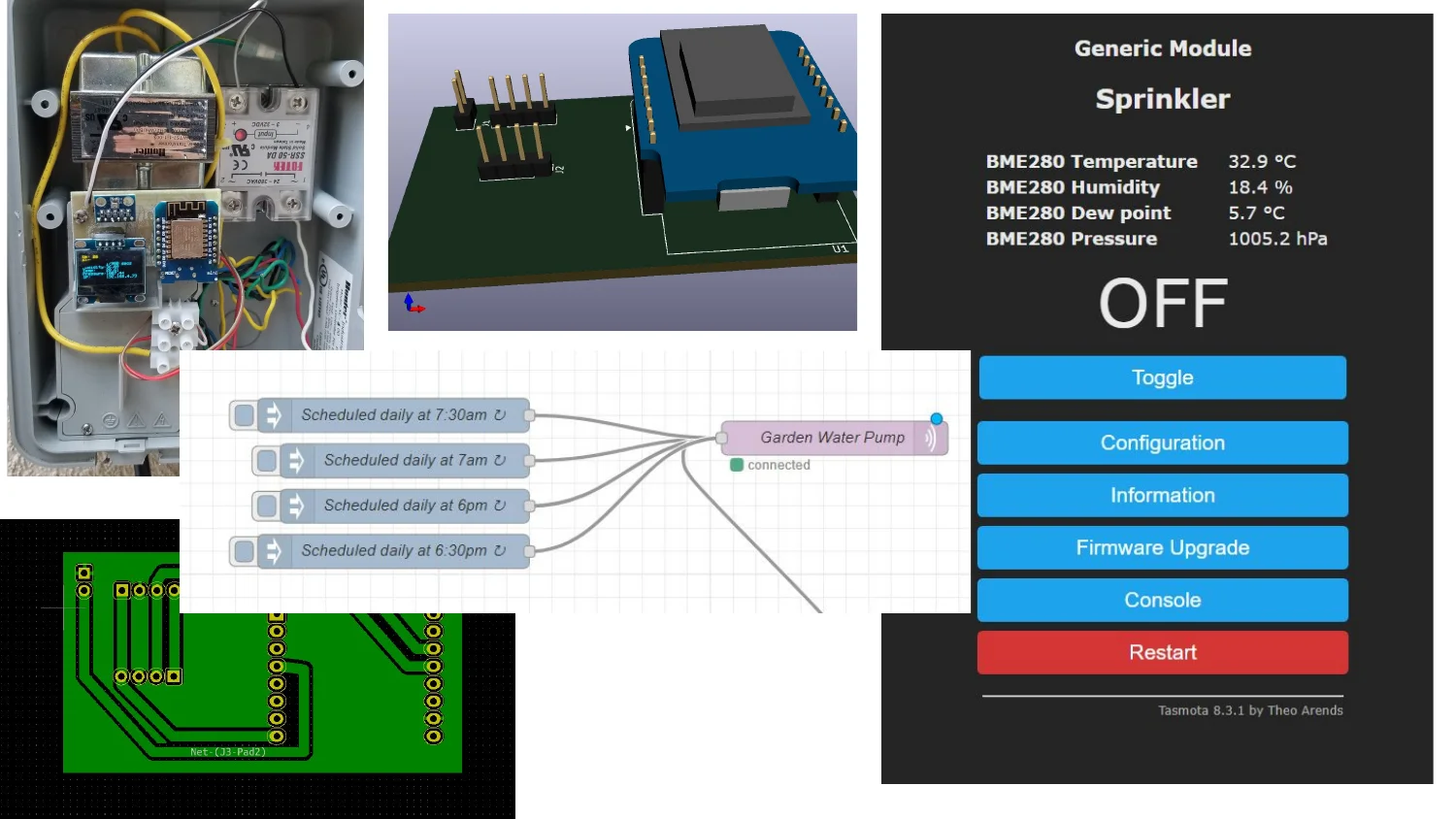
This visual supports the description of the hardware, firmware (Tasmota), and custom PCB layouts required for local-first implementation.
As a home evolves from a single-user to a multi-user environment, the complexity of local systems increases. It requires providing multiple ways to interact with the house, such as physical keys, NFC tags, and wall-mounted tablets, to ensure that everyone can operate the home regardless of their technical proficiency. The goal is to ensure that while the system is sophisticated under the hood, the user experience remains simple and accessible.
What Hacker News readers are saying
- Experience: One commenter shared their experience with a legacy home automation system that operated entirely locally, noting that they only lost functionality when they purchased a specific water detector that relied on a now-defunct cloud service. comment ↗
- Alternative: Several commenters suggested using platforms like Home Assistant or specific protocols like Zigbee and Z-Wave to maintain local control, with one user describing a process of using cheap hardware and custom firmware to achieve a local-first setup. comment ↗
- Skeptical: One commenter argued that local-first functionality is unlikely to become standard because most hardware is manufactured with minimally functional software designed to meet immediate business needs rather than user preferences. comment ↗
- Skeptical: Another user expressed frustration that smart home devices often become more complex and less convenient due to updates and troubleshooting, arguing that the current situation is fundamentally flawed. comment ↗
Summarized opinions from the Hacker News thread, not verified facts. Read the full discussion ↗