Edgar Allan Poe is frequently omitted from the pantheon of quintessential American writers, a list typically dominated by figures like Mark Twain, Herman Melville, and Ernest Hemingway. This lack of domestic recognition stems largely from Poe's refusal to engage with the traditional themes of American literature, such as the freedom of self-reinvention, the conquest of nature, or the exploration of the frontier. Instead of depicting the American landscape as a space for forging a destiny, Poe’s work is characterized by claustrophobic and fatalistic settings—tombs, prisons, and catacombs—that feel detached from real-world locations and instead evoke the stuff of nightmares.
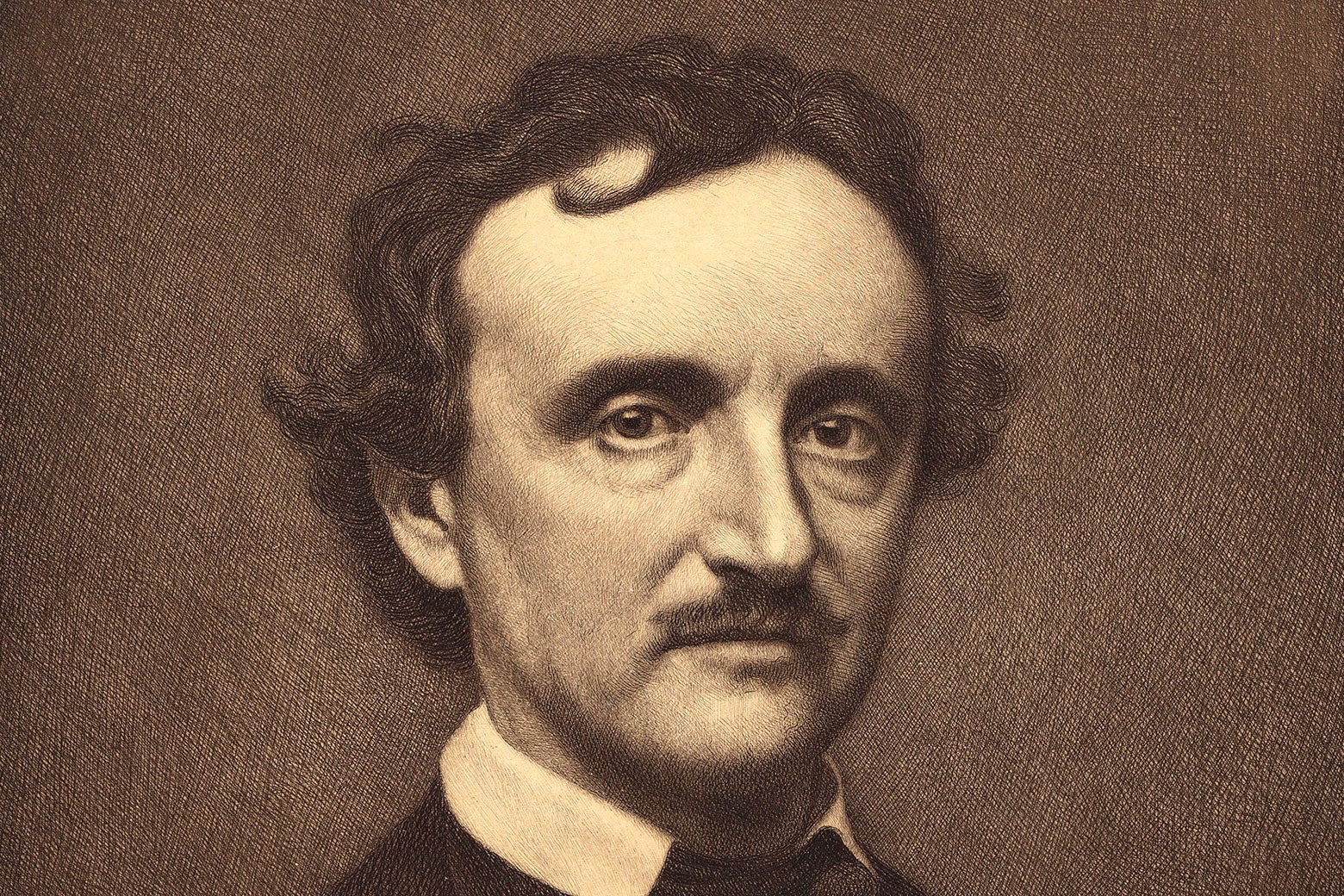
This portrait provides a visual representation of the subject of the article.
Critics, including Emily Ogden in her collection *Darkness Becomes Bright*, suggest that Poe serves as a psychological counterpoint to the American Dream. While the national narrative emphasizes outgoing optimism, Poe’s characters are often morbid, withdrawn, and trapped by inescapable dooms like madness, guilt, or grief. Ogden identifies Poe’s work with the 'death drive' (thanatos), exploring the 'perverse' impulse to act against one's own interests or to escape the burdens of consciousness. This focus on the internal, repressed fears of the human psyche has granted Poe a formidable global impact, influencing international figures such as the French poet Charles Baudelaire, the Argentinian novelist Julio Cortázar, and the psychoanalyst Marie Bonaparte, who all found his work revelatory in its acknowledgment of dark human urges.
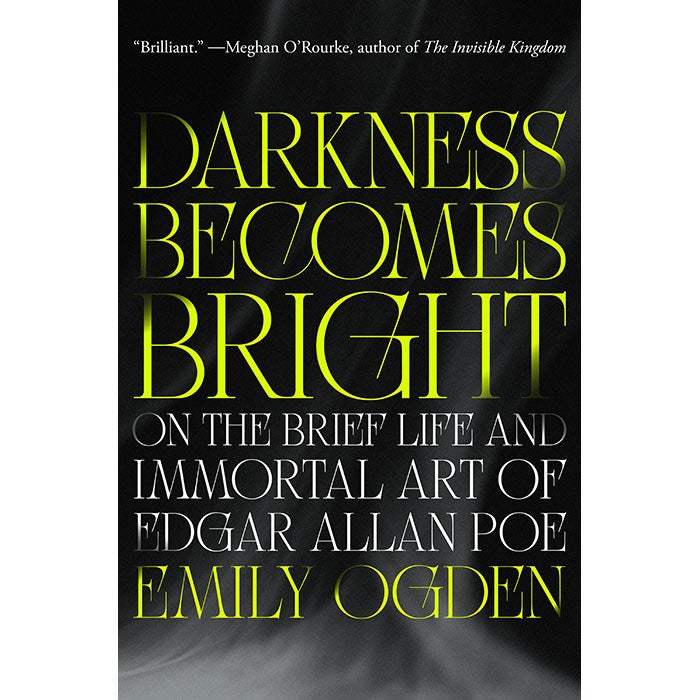
The book cover illustrates the specific literary criticism by Emily Ogden mentioned in the text.
Poe’s enduring influence is rooted in his willingness to explore the 'shadow' of human experience—the fears and reservations often exiled by ambition. By acknowledging perverse and sadistic impulses, Poe provided a literary space for authors to confront the parts of the self that are often hidden. However, his aesthetic remains a point of contention in the United States. Poe asserted that art’s only duty is to the 'sense of beauty,' rejecting the idea that art must deliver constructive messages or serve as a catalyst for social change. This stance often feels alien to a contemporary American audience that habitually prizes art for its ability to stimulate empathy or social progress, yet it is precisely this uncompromising focus on the 'shadow' that has secured Poe's enduring influence abroad and in the history of the genre.