The geopolitical landscape is being reshaped by a significant incident involving SpaceX's military satellite service, Starshield. According to an analysis by Steve Blank, Elon Musk personally ordered restrictions that throttled intelligence and military capabilities provided to Ukraine. While this move may have been a localized news event in the United States, it sent substantial tremors across Europe. The core issue identified is not necessarily the specific policy choice, but rather the realization that critical infrastructure—including defense systems and enterprise software—is currently subject to unilateral decisions by private American CEOs.
This situation highlights a growing concern among European policymakers regarding 'digital sovereignty.' For years, many viewed the idea of a U.S.-controlled "kill switch" as a paranoid fantasy; however, the ability of an American company to degrade a partner’s capability without warning suggests that relying solely on U.S. data systems poses a risk to national autonomy. This perception creates a market opening where European nations are increasingly motivated to build independent alternatives. As AI lowers the cost of replicating complex features from platforms like Microsoft Office or Oracle, recreating these functions within reach makes the transition to sovereign software more feasible than it was previously considered possible.
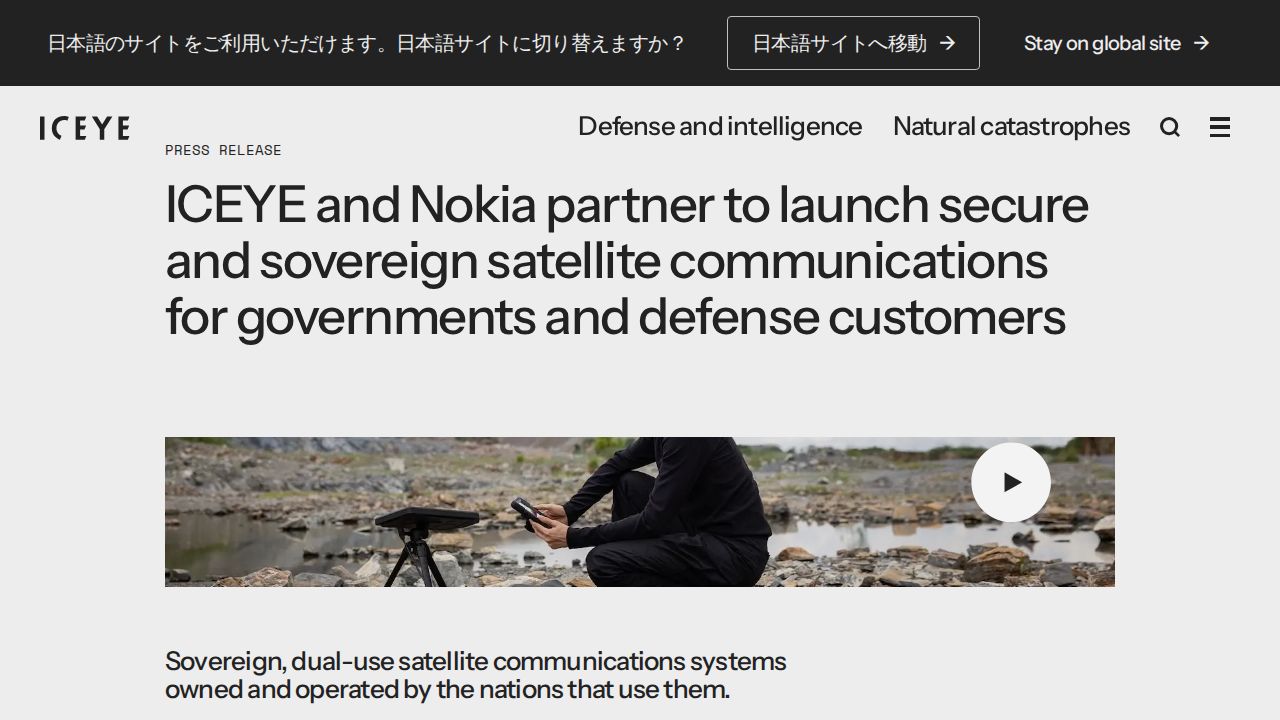
There is a notable debate surrounding the feasibility and timeline of such a shift. Some observers argue that while Europeans have the desire for independence, they face massive hurdles including high investment costs and regulatory paralysis that could hinder the construction of necessary industrial compute factories (data centers). Conversely, others point out that several competitors are already working on replacements, with companies like ICEYE and Nokia exploring commercial launch capabilities to compete in the satellite space. Regardless of the speed of implementation, the incident serves as a catalyst for Europe to treat technology sovereignty not just as a preference, but as a critical security feature required to mitigate the risks of outsourced infrastructure.