As autonomous AI agents become more capable, they require broader permissions to be useful, such as the ability to interact with local filesystems, manage software installations, and authenticate with external APIs. However, providing these capabilities often creates significant security risks, as an agent could potentially exfiltrate private data or execute unauthorized system calls. NVIDIA's OpenShell addresses this by providing a 'safe, private runtime' where agents operate within strictly defined boundaries. Instead of granting broad permissions, OpenShell allows developers to declare specific policies for what each agent can touch, and the system enforces these rules at the kernel level.
The image introduces the OpenShell project, which provides a 'safe, private runtime' for AI agents to operate within strictly defined boundaries.
The architecture of OpenShell relies on two primary mechanisms to ensure security. First, it uses kernel-level enforcement to instrument every file access, system call, and network connection. This ensures that an agent's actions are confined to its designated sandbox; for example, network connections are intercepted and checked against a policy before they can leave the sandbox. Second, OpenShell incorporates formal verification to manage policy changes. Before a new access rule is approved, the system uses formal verification to flag risky permissions—such as granting an agent access to a new host with existing credentials—allowing for human review of potentially dangerous expansions in the agent's capabilities.
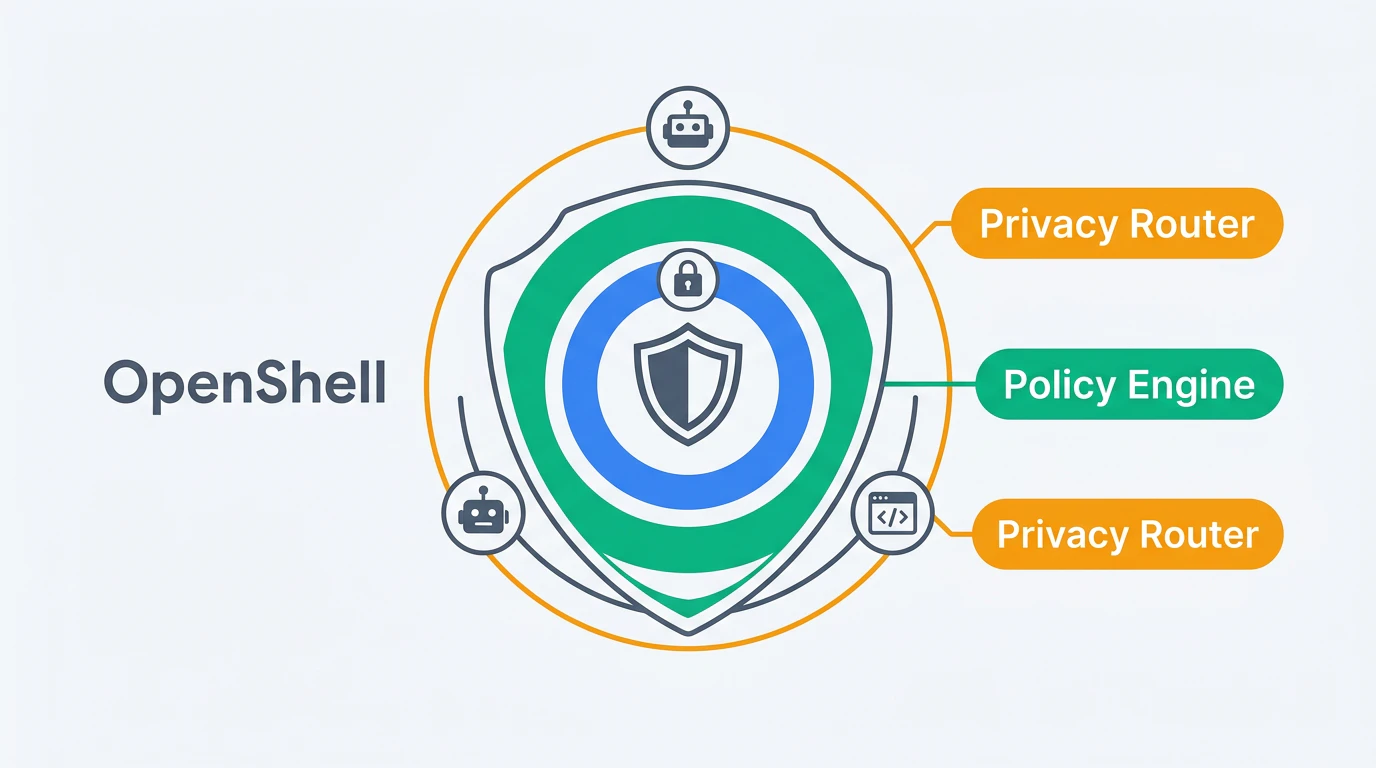
The architecture of OpenShell relies on kernel-level enforcement and formal verification to ensure that an agent's actions are confined to its designated sandbox.
While OpenShell provides a robust framework for managing agent fleets, it introduces specific trade-offs regarding agent autonomy. Because the runtime enforces a 'deny-by-default' stance, an agent may be blocked from performing a necessary action until a human approves a policy update. This creates a balance between security and usability: the agent is more capable because it can access specific resources, but its 'freedom' is strictly governed by the pre-defined policy. Furthermore, while the system prevents unauthorized access, it does not inherently solve the problem of 'prompt injection' where an agent might be manipulated into performing a technically 'allowed' but logically malicious action within its permitted scope. Users must still carefully design policies to ensure that the permissions granted to an agent are sufficient for its task but narrow enough to minimize risk.
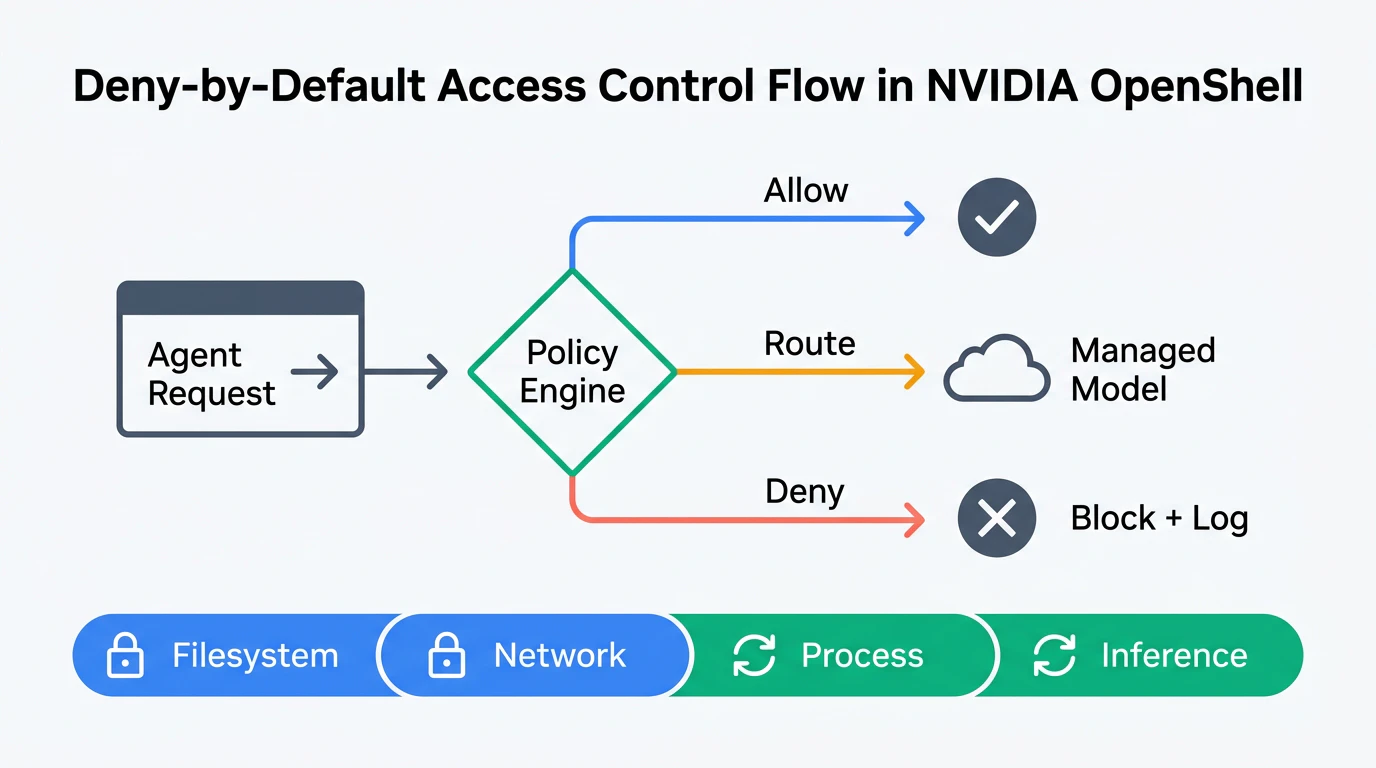
Because the runtime enforces a 'deny-by-default' stance, an agent may be blocked from performing a necessary action until a human approves a policy update.