Microsoft has initiated a new pricing model for Xbox Cloud Streaming, moving toward a metered 'a la carte' system for users who do not have a full subscription. This rollout, first appearing for Xbox Insiders, allows players to purchase specific blocks of playtime to stream games they already own on supported devices. The introductory pricing tiers include 10 hours for $4 (approximately $0.40 per hour), 25 hours for $8 ($0.32 per hour), and 50 hours for $12 ($0.24 per hour). Unlike the Xbox Game Pass subscription, which provides a monthly buffet of streaming access, these packs are designed for individual ownership and are available until the purchased hours are exhausted.
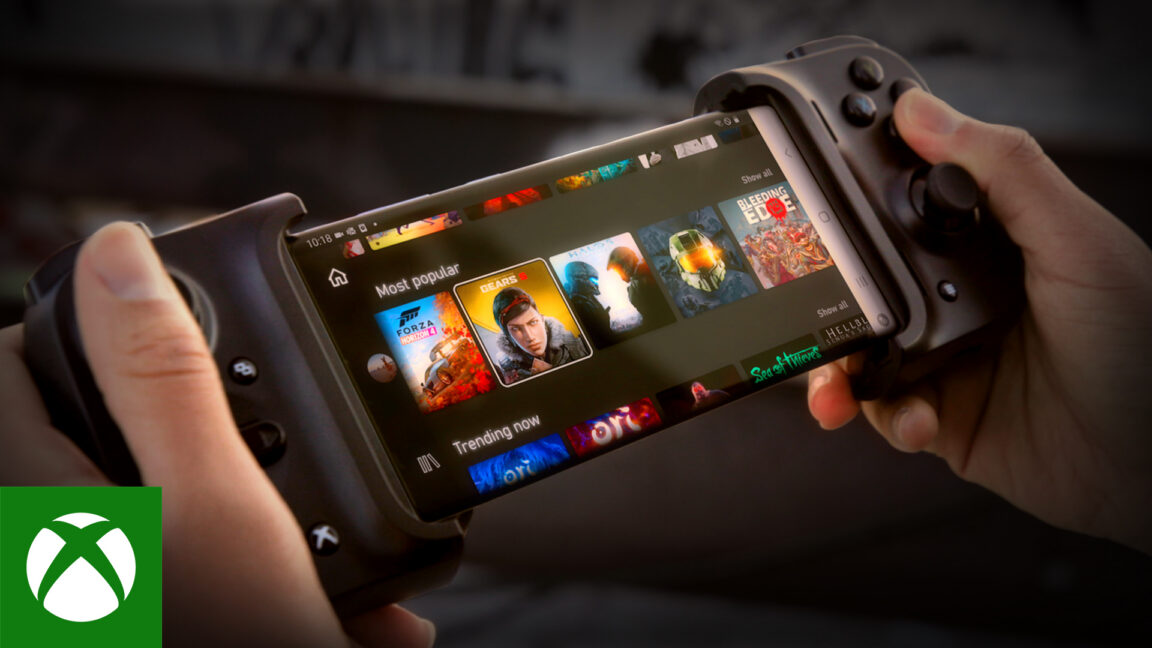
The image illustrates the core service of Xbox Cloud Streaming, which Microsoft is now offering in a metered 'a la carte' pricing model.
The shift toward metered streaming mirrors historical arcade models where players paid for specific increments of time, though it differs significantly from previous cloud experiments like Google's Stadia. While Stadia offered unlimited streaming for purchased games, it did not allow for local downloads, a distinction that remains relevant as Microsoft's new model requires users to either own the game or have free-to-play access. Microsoft also offers a free, ad-supported tier for Xbox Insiders to test games they own, though the company notes that paid playtime packs provide shorter wait times and higher-quality streaming compared to the ad-supported experience.
This new pricing structure raises questions about the long-term viability of cloud streaming as a standalone product. Microsoft recently noted that only 4 percent of Game Pass subscribers were affected by new limits on monthly streaming hours, suggesting that cloud streaming is currently a niche use case for the majority of the user base. For those who do not own high-end gaming hardware, the $0.24 to $0.40 per hour cost represents a potential alternative to purchasing a console, but for those who already own the games and the hardware, the additional cost of 'renting' the cloud GPUs presents a different value proposition than traditional one-time purchases.