The pinball industry has moved past a period of near-collapse to enter a phase of significant growth and technological diversification. At the center of this resurgence is Stern Pinball, which currently controls approximately 90 percent of the modern market. The company maintains its leadership through a steady stream of licensed titles, such as its recent Fallout release, while the remaining 10 percent of the market is increasingly occupied by smaller manufacturers like Jersey Jack, Barrels of Fun, and Spooky Pinball. This shift reflects a broader trend where the tactile appeal of physical machines—launching a metal ball around a wooden cabinet—continues to compete effectively against modern home entertainment.
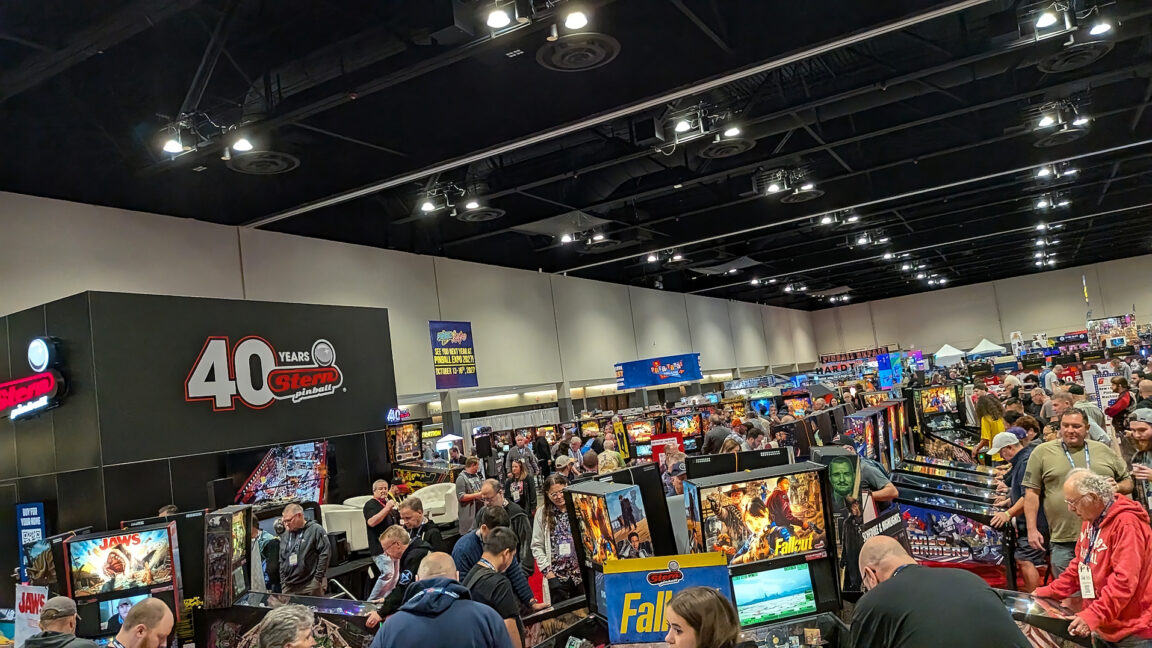
This image illustrates the massive popularity and industry leadership of Stern Pinball mentioned in the first paragraph.
Innovation in the space is moving toward modularity and software-driven experiences. Multimorphic’s P3 system exemplifies this shift by utilizing a ball-tracking interactive display for the lower two-thirds of the machine, with floating flippers and targets. This setup allows for a swappable upper playfield, enabling owners to change the entire game. Notably, the P3 platform includes a free software development kit (SDK), making it a rare third-party development platform in the industry. This allows community members to design and distribute their own table creations, which can be played on the reactive screen either with physical overlay kits or as software-only games.
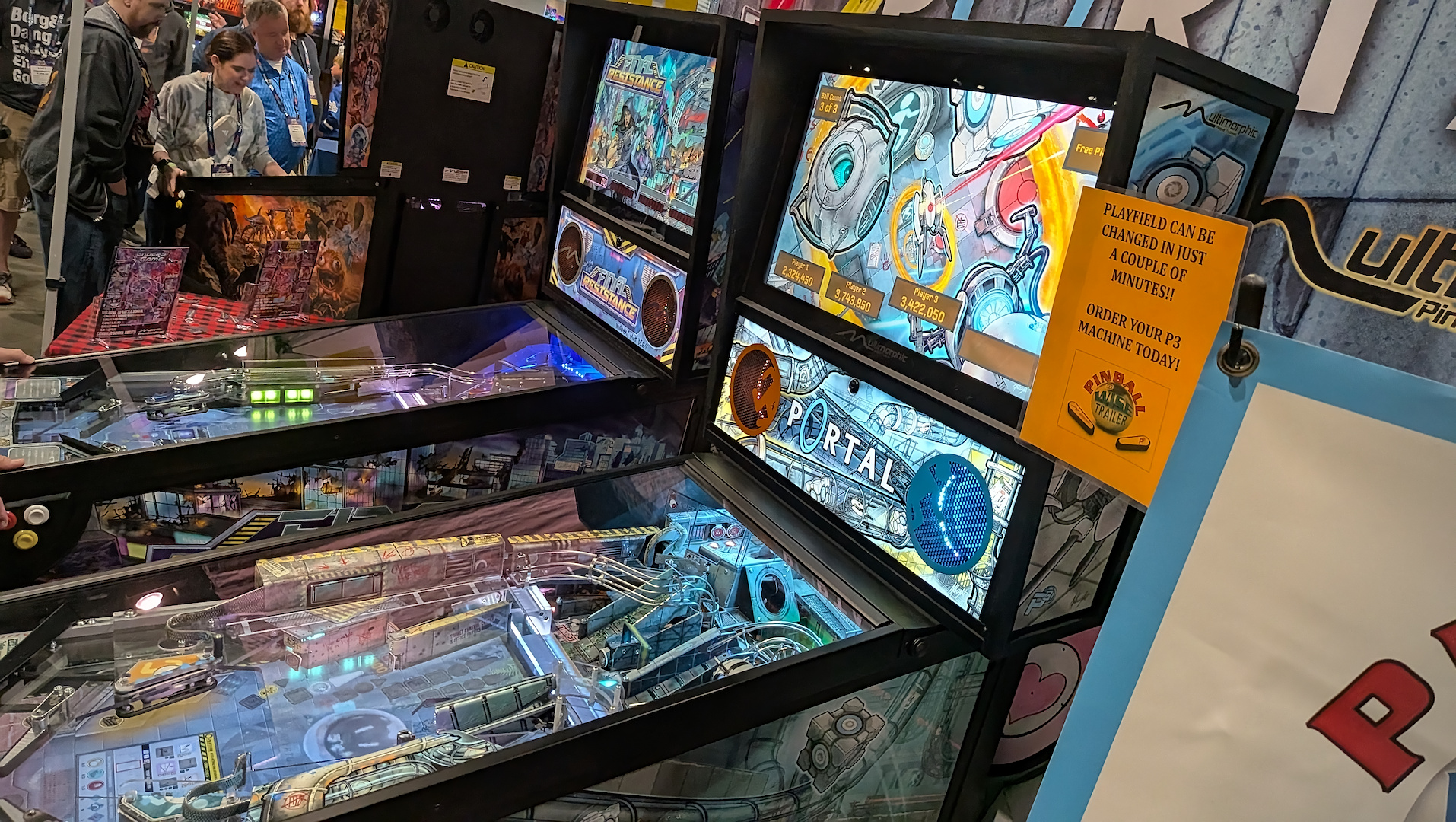
This image directly supports the description of Multimorphic's P3 system and its modular capabilities.
Parallel to these industrial shifts, a vibrant 'homebrew' scene is emerging where hobbyists create custom machines as a means of creative expression and career building. These projects range from high-concept mechanical designs, such as 'Shaolin Flow'—which uses fist-shaped sensors to trigger flippers—to browser-based design tools like the Pinball Construction Set. These tools allow users to drag and drop traditional design elements like ramps and scoops into a virtual layout, mimicking the experience of building a theme park coaster. This democratization of design, combined with the rise of 'barcades' and a new generation of home collectors, is driving a cycle of creativity that feeds back into the professional manufacturing sector.