A developer has shared a repository on GitHub containing a clone of the classic puzzle game Lemmings, specifically ported to run on PalmOS. PalmOS was a mobile operating system used by handheld devices like the Palm Treo and the Newton, known for its efficiency on limited hardware. The project, hosted under the user 'ardiri', provides the source code for the game, including level packs and assets, intended for educational purposes and historical preservation.
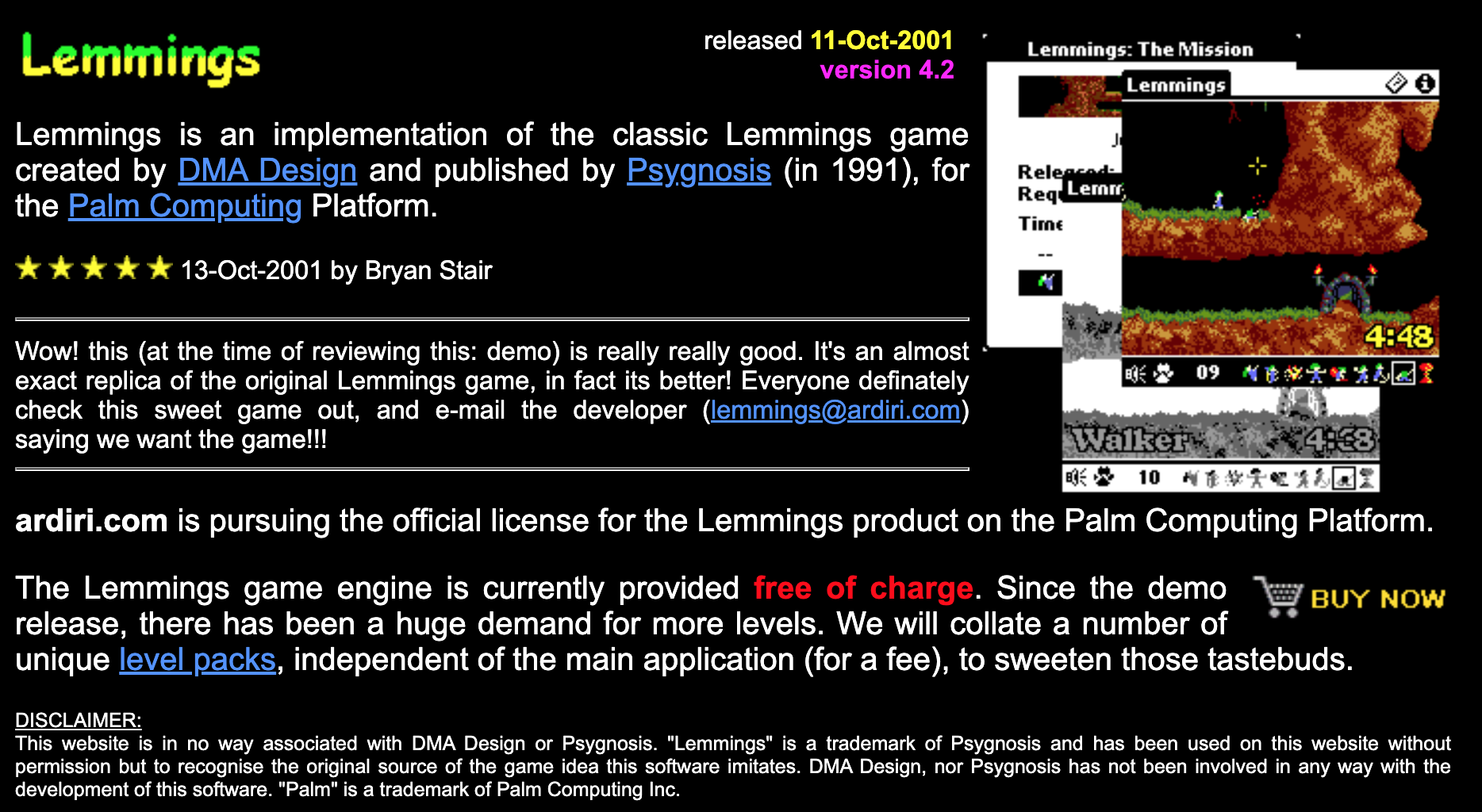
The project provides the source code and assets for the Lemmings clone on PalmOS.
The port represents a significant piece of software history, reflecting a period when developers focused on squeezing high-quality experiences out of constrained resources. Commenters on Hacker News noted the developer's broader contributions to the PalmOS ecosystem, including the creation of specialized C libraries and the Deity3D engine—a first-person shooter engine used in titles like Master Thief 3D. The discussion highlighted a shared nostalgia for the era of 16-bit integers and the unique feel of 'owning' older mobile devices compared to modern, cloud-connected smartphones.

The port reflects a period of squeezing high-quality experiences out of constrained resources.
While the project serves as a valuable archive, it also underscores the challenges of digital preservation. Some participants in the discussion pointed out that much of this era's software is subject to 'bit rot' and suggested archiving such projects in places like the Internet Archive to ensure they remain accessible. The release also sparked a conversation about the authenticity of legacy code, with some users expressing a preference for human-crafted historical projects over modern AI-generated outputs. For now, the repository stands as a functional piece of software history for those interested in the evolution of mobile gaming and low-level systems programming.