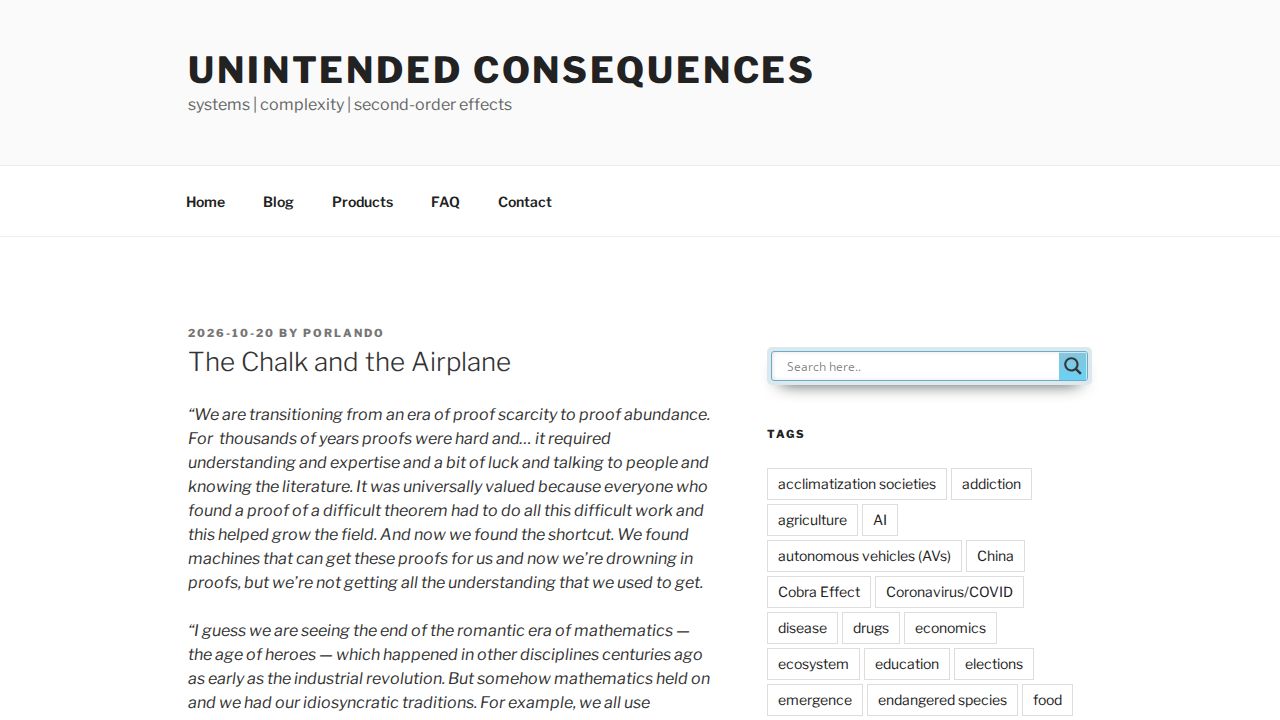
The field of mathematics is currently experiencing a shift that some observers describe as a move from an era of "proof scarcity" to one of "proof abundance." For centuries, producing a mathematical proof required significant personal expertise, manual labor, and deep literature review—a process often associated with the "heroic age" of lone researchers working on blackboards. However, the advent of machines capable of generating complex proofs at scale is challenging these traditional norms. Mathematicians like Terence Tao have noted that while this mirrors historical industrial revolutions in other fields, it presents unique emotional and structural challenges for a discipline that has long maintained idiosyncratic traditions.
This technological leap has triggered both practical anxiety and philosophical concern within the academic community. Some researchers report feelings of panic regarding the future of PhD students and the potential loss of funding if humans cannot demonstrate clear "added value" over automated systems. There is also a spiritual dimension to the debate: critics argue that the experience of discovery—the "magic and mystery" of finding a novel truth—is being replaced by a mechanical output akin to ordering a delivery service. The fear is that scientific output might increase spectacularly in the short term, but could lead to a "dark age" where independent human activity weakens and new knowledge becomes concentrated in hands incapable of fully understanding what they produce.
In response to these tensions, some propose a framework of responsibility and adaptation. This includes maintaining educational systems that prioritize traditional methods first before introducing automated tools, much like teaching arithmetic by hand before using calculators. Others see an inevitable transition toward large-scale team structures similar to those in the physical sciences. While there is genuine grief over the closing of the era of lone explorers, proponents suggest the field is graduating into a foundational infrastructure for all technological progress. The goal is to navigate this change carefully, ensuring that AI integration empowers a new generation of scientists while preserving an intellectually independent enterprise.