Paper Instruments has introduced Ultramarine 1 Flash, an agentic model specifically engineered for professional knowledge work in sectors such as finance, law, consulting, and operations. Built on the GLM-5.3 Flash open base model, Ultramarine 1 Flash is designed to produce professional-grade artifacts, including finished Excel workbooks, PowerPoint decks, and Word documents. The model is optimized for 'client readiness,' focusing on clean, straightforward prose and a strong sense of visual and information hierarchy to meet the standards required by professional service analysts.
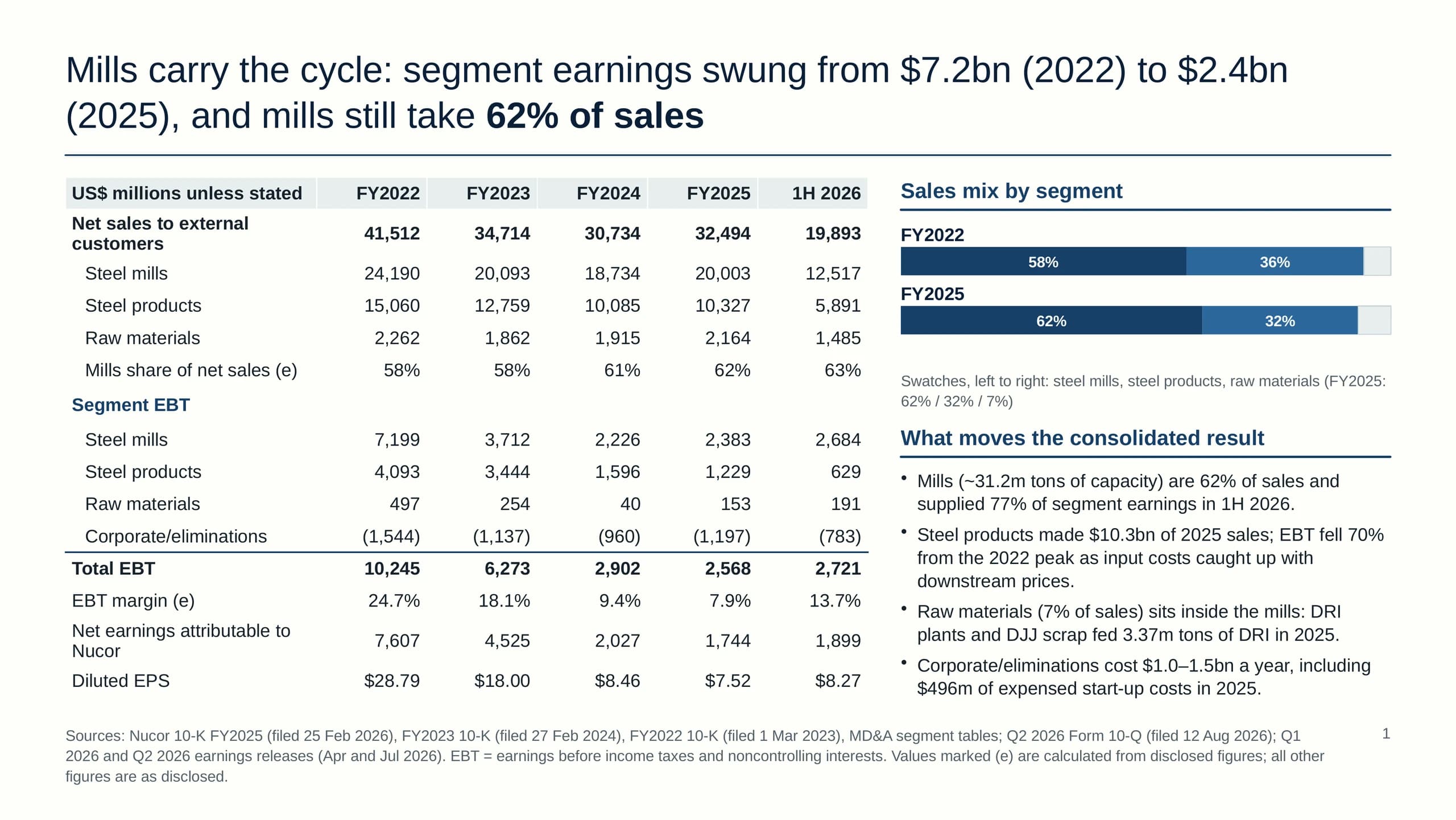
This image illustrates the model's ability to produce professional-grade artifacts like PowerPoint decks with clear information hierarchy.
This image serves as the primary visual identifier for the Ultramarine 1 Flash model introduced by Paper Instruments.
The model's primary technical distinction lies in its use of large-scale reinforcement learning (RL) applied to non-verifiable tasks. Unlike many RL applications that focus on verifiable tasks like coding—where success can be checked by unit tests or regex parsers—professional work often relies on human judgment and taste. To train for this, Paper Instruments developed a custom synthesis pipeline to create realistic, open-ended tasks and a sophisticated rubric-based grading system. Each criterion in the rubric is designed to define a specific boundary of acceptable answers, ensuring the model learns to provide substantive, accurate results without being overfitted to a single 'golden' reference or rewarded for vague, plausible-sounding errors.
In performance benchmarks, Ultramarine 1 Flash demonstrates a high cost-quality ratio. It achieved a score of 62.9 on the JobBench, outperforming models like Gemini 3.8 Flash and DeepSeek V4.1 Flash. Notably, it is positioned as a 'Fable-class' model—a category of high-capability knowledge work models—but at a significantly lower price point. While competitors like Claude Fable 5 and GPT-5.6 Sol cost between $2.09 and $8.19 per task, Ultramarine 1 Flash costs approximately $0.13 per task. Additionally, the model improved token efficiency over its base model, generating 6.5% fewer tokens across six benchmarks while improving average scores by 4.1 points, suggesting a more direct path to completing complex tasks. However, while the model excels in these benchmarks, its real-world performance depends on its integration into business systems like ERP and MES, where it is intended to operate as an agentic tool.