The documentary "You Can See Everything," directed by Lance Oppenheim and Nathan Fielder, explores the rise and fall of Elizabeth Holmes and her startup, Theranos. While the film ostensibly chronicles Holmes's history of deception, critics and viewers have noted that the documentary itself employs sophisticated storytelling techniques to shape the audience's emotional response. By utilizing specific camera angles, close-ups, and a deliberate order of information, the filmmakers can shift the viewer's perception of Holmes and those around her from one narrative role to another—moving between the roles of victim, villain, or manipulator.
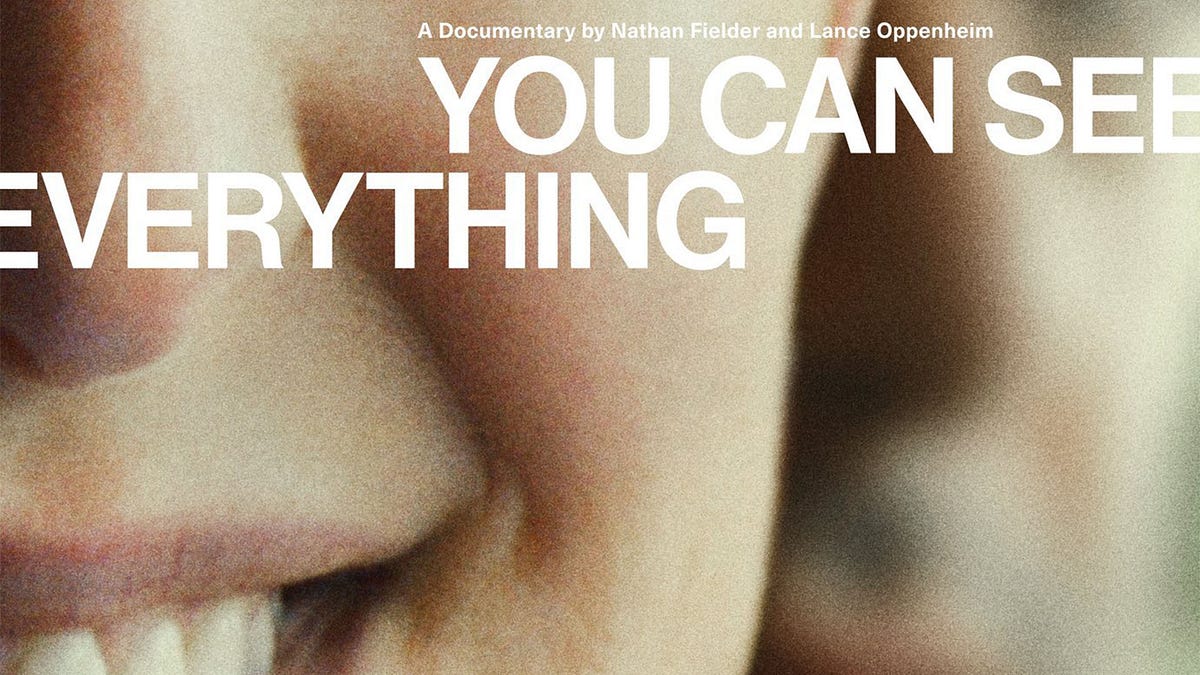
The film utilizes specific camera angles and visual framing to shape the audience's perception of Elizabeth Holmes.
One primary mechanism of this narrative shift is the use of visual framing to evoke immediate emotional impressions. For example, a close-up shot of an unblinking Holmes might project a sense of sinister intent, while a wider shot of her with a child can humanize her instantly. These visual cues are designed to bypass logical analysis, creating an emotional baseline that the viewer then seeks to justify with facts. This process mirrors a psychological phenomenon where individuals form an emotional impression first and subsequently look for evidence to support that pre-existing feeling. The documentary serves as a practical demonstration of how easily these impressions can be manufactured through cinematic choices.
However, the film's reliance on these techniques raises questions about the reliability of the narrator and the objectivity of the portrayal. Because Nathan Fielder lived with the subjects for a month before Holmes went to prison, his proximity to the events introduces a layer of subjective interpretation. Furthermore, the documentary's focus on narrative framing highlights a significant nuance in the Holmes case: while she was convicted of defrauding investors of over $700 million, she was acquitted of all charges related to defrauding patients. By focusing on the 'magic' of the storytelling, the film may obscure these legal distinctions, illustrating how a society's preference for a clear 'good vs. bad' narrative can override the complexities of a nuanced criminal case.
Ultimately, the film functions as a meta-commentary on the nature of documentaries. It challenges the assumption that viewers are objective observers who weigh facts equally; instead, it suggests that the medium of film is inherently designed to exploit human psychology. By participating in the film's narrative shifts, the audience experiences firsthand how easily their opinions can be steered by the person behind the camera, regardless of the facts presented in front of it. This creates a paradox where the viewer watches a story about a woman who deceived the world, only to realize they are being actively deceived by the very medium they are using to learn about her.
The documentary does not provide a definitive answer on whether Holmes was the most manipulative figure in her circle or if she was largely oblivious to the chaos around her. Instead, it leaves the viewer with a series of unresolved questions about the nature of truth in a media-saturated environment. By highlighting the tools of deception—editing, framing, and sequencing—the film forces a confrontation with the fact that our understanding of public figures is often a product of how their stories are told rather than the raw facts of their actions.
One notable limitation of this analysis is the lack of specific technical data on the film's editing process or the exact psychological studies used to validate its narrative shifts. While the film demonstrates these effects, the specific 'magic sauce' of its construction remains largely behind the scenes. Additionally, the distinction between the film's artistic choices and the actual legal facts of the Theranos case remains a point of tension for viewers seeking a purely objective account of the fraud. The film prioritizes the experience of being deceived over a dry recitation of the evidence, making it a study of perception as much as a study of a crime.
What remains uncertain is the extent to which these cinematic techniques can be used to obscure the specific legal nuances of the Holmes case, such as the acquittal on patient-related charges. While the film successfully demonstrates the power of narrative, it also risks simplifying a complex legal and corporate failure into a digestible, emotionally charged story. For the viewer, the primary takeaway is not just the history of Theranos, but a realization of their own susceptibility to the very storytelling methods that brought the story to life in the first place.