Representative Ritchie Torres of New York's 15th congressional district has introduced the 'Power To The Players Act,' a piece of legislation designed to shift the legal framework of video game distribution. The bill aims to direct the Federal Trade Commission (FTC) to establish regulations that curb what the representative describes as anti-consumer business practices. Specifically, the legislation proposes that purchasing a video game should grant the consumer actual ownership of the software rather than a revocable license to play it. This shift would fundamentally change the current industry standard where digital purchases are often treated as one-time rental fees that can be revoked by the publisher.
A central mechanism of the bill involves the preservation of game functionality after a publisher ceases active support. Under the proposed rules, games with online functionality would be required to provide an offline mode before the servers supporting them are shut down. This is intended to address instances where games become unplayable once a publisher stops maintaining the infrastructure. The bill was prompted by high-profile cases, such as the 2024 shutdown of the online-only racing game *The Crew* by Ubisoft, which left players unable to access the game even after purchase because it lacked an offline mode or community server support. Other cited examples include the rapid removal of sports titles from digital storefronts and the replacement of older titles with newer versions rather than making the original games separately playable.
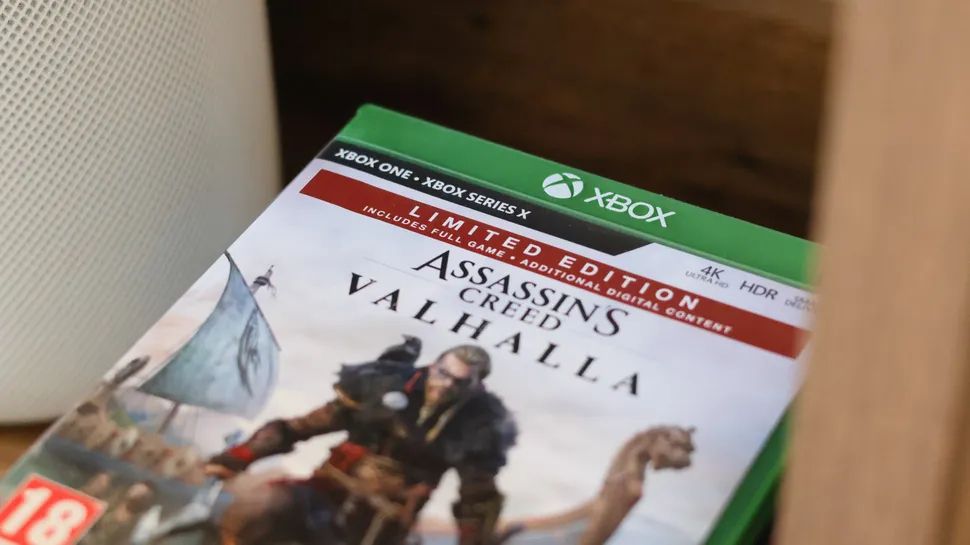
The bill aims to direct the Federal Trade Commission (FTC) to establish regulations that curb what the representative describes as anti-consumer business practices.
While the bill aims to protect consumer rights, it raises several unresolved questions regarding implementation and industry impact. It remains unclear how the legislation will strictly define 'ownership' or what specific rights owners will have over digital copies, particularly regarding the right to transfer software. Furthermore, there is a significant debate regarding the trade-offs for different types of developers. While large publishers might face new compliance costs, smaller indie studios could struggle to meet the technical requirements of providing permanent offline modes or community server support. Additionally, some critics argue that forcing publishers to maintain functionality for 'dead' games could stifle the development of new titles or lead to a shift toward more aggressive monetization in the games that remain active. The bill represents a significant step toward the 'Stop Killing Games' movement, which advocates for peer-to-peer patching and community server capabilities to ensure longevity for purchased software. editorial.evidence_sufficient: true,