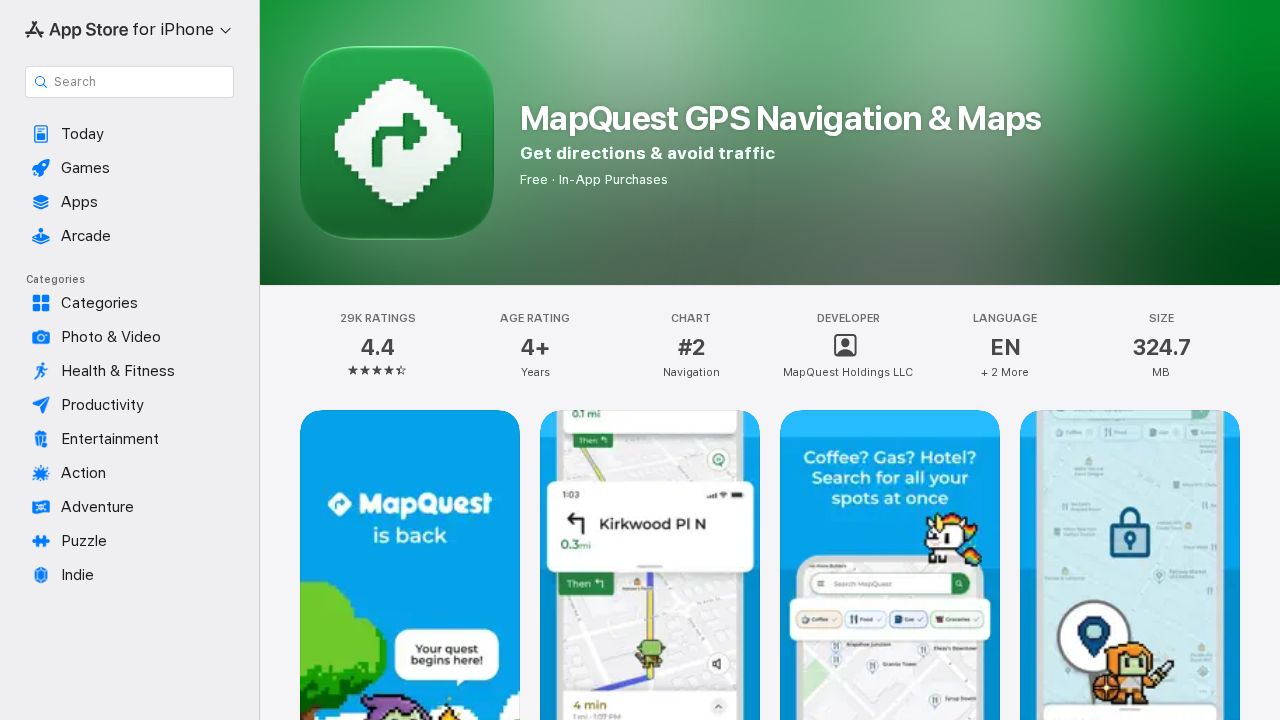
MapQuest has updated its mapping application to include a new feature that allows users to visualize the location of outdoor surveillance infrastructure. By toggling a specific layer, users can see the positions of known surveillance cameras and license plate readers throughout their neighborhoods. This update includes data on cameras from several prominent manufacturers, such as Flock, Motorola Solutions (Vigilant), Genetec, Axis Communications, Axon, Leonardo (ELSAG), Neology, Rekor, PlateSmart, and Ubicquia. The new layer is designed to sit alongside existing traffic and incident overlays, making it easily accessible for users navigating the app.
The data powering these map locations is sourced from OpenStreetMap (OSM), a collaborative project where users can contribute geographic data. Commenters on Hacker News noted that this includes specific entries for license plate readers and even indicates the direction of the cameras. However, some participants pointed out a significant caveat regarding data integrity: because the information is crowdsourced, anyone can plot a camera at a location regardless of whether a physical device actually exists there. This has led to instances of vandalism within the OSM community, where users may submit inaccurate data related to surveillance hardware.
While the feature provides a way for users to see how pervasive surveillance technology is in their area, it also raises questions about how the information will be used. Some users suggested the tool could be used to plan routes that avoid specific cameras, while others viewed the move as a strategic effort by MapQuest to regain market share. The company has seen a recent surge in popularity following its decision to maintain traditional geographic naming conventions, such as for Lake Ontario, which differed from the naming choices made by competitors like Google and Apple Maps. The addition of the surveillance layer is part of a broader suite of updates, including public transit directions and Android Auto support, aimed at revitalizing the platform's utility for drivers.