Across the Northeastern United States, a growing movement to dismantle aging and obsolete dams is restoring natural river flows and reopening migratory pathways for fish. While large-scale dam removals in the Western U.S. often receive significant media attention, the majority of removals occur in eastern states. In 2024 alone, several barriers were removed in Vermont, Maine, and New Hampshire, while Pennsylvania dismantled 27 obsolete barriers. These efforts aim to reverse centuries of industrial activity that impounded streams to power mills and factories, a practice that significantly disrupted aquatic ecosystems.
One of the primary targets of these efforts is the restoration of river herring, specifically alewives and bluebacks. These species are diadromous, meaning they split their life cycles between freshwater and the ocean. Historically, New England's dams deprived these ecosystems of nearly 20 billion pounds of alewives—a loss comparable to the weight of 300,000 humpback whales. Because alewives lack the physical ability to jump or climb over barriers, even small dams can effectively sever their migratory routes. To monitor the success of these removals, biologists are now using modern technology, such as Passive Integrated Transponders (PIT tags), to track how many fish successfully navigate the rapids and obstacles left behind by demolished structures.
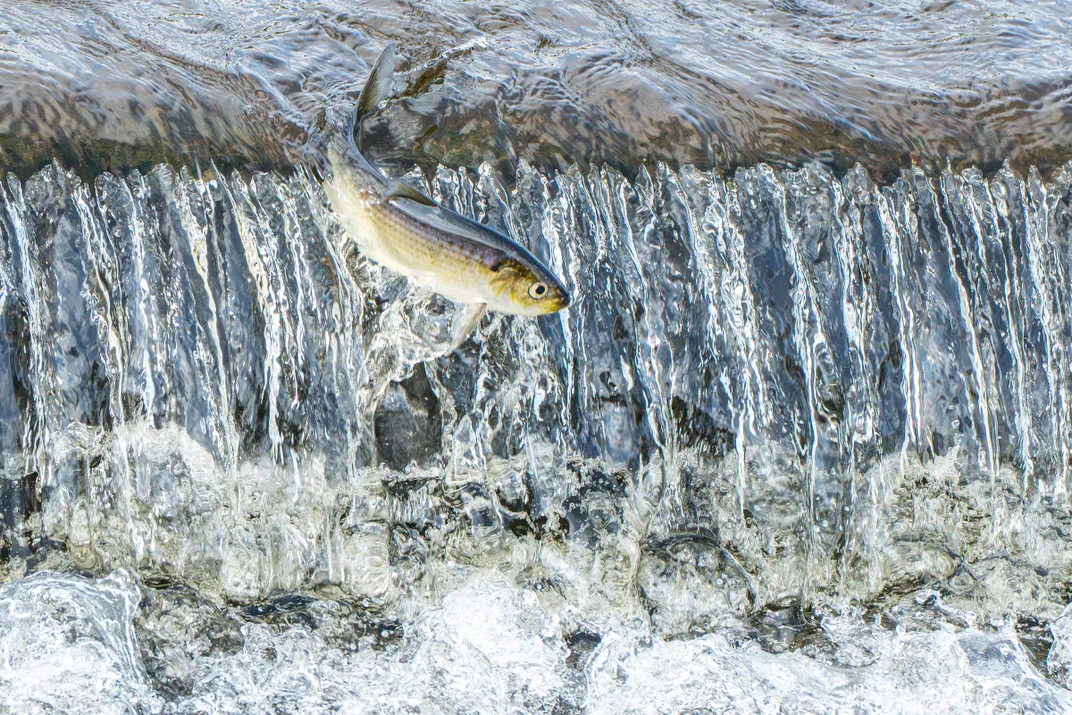
The image illustrates the physical barriers that prevent species like alewives from reaching their spawning grounds.
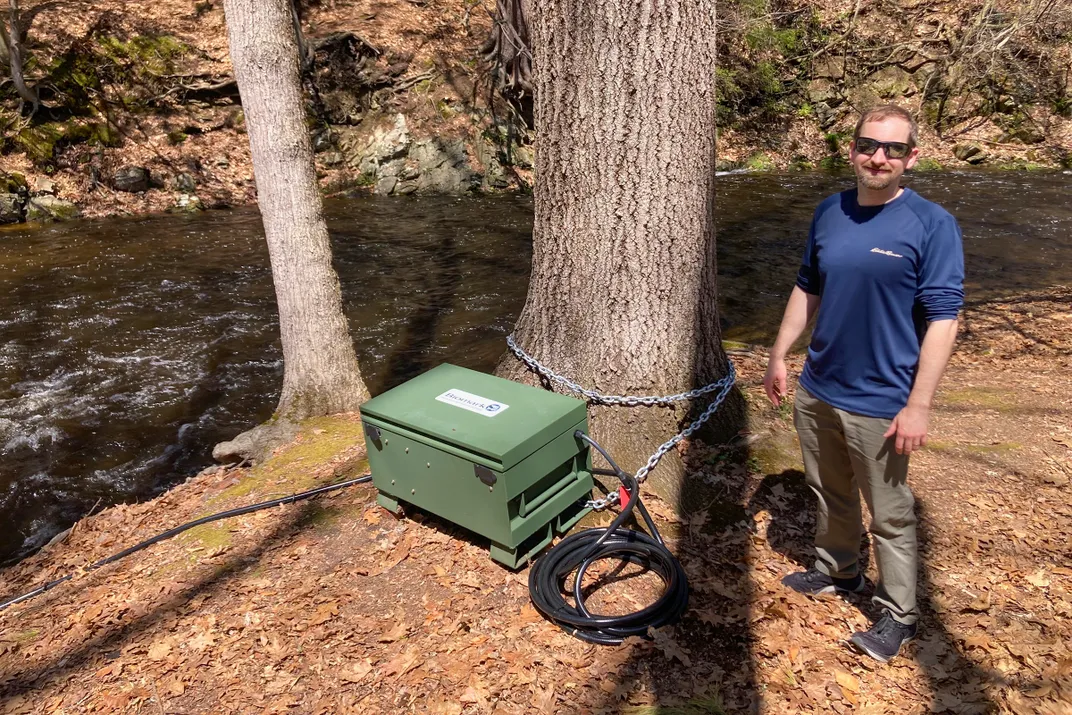
This visual relates to the use of modern technology to track fish movement following dam removals.
While the removal of major dams on primary river stems produces dramatic results, conservationists emphasize that the 'capillary networks' of smaller tributaries are equally vital. These smaller streams provide essential spawning grounds and climate refugia for species like sea lamprey and brook trout. For example, the removal of barriers in the Sedgeunkedunk Stream reopened roughly 2.8 miles of creek, directly boosting sea lamprey populations. These fish play a critical role in the ecosystem by transporting marine-derived nutrients inland, where their carcasses fertilize local forests and feed various wildlife. However, challenges remain as thousands of dams still truncate fish runs across the Northeast, and the transition from industrial infrastructure to free-flowing rivers requires ongoing, localized efforts to reconnect fragmented watersheds.