Giant African land snails (GALS) have become a significant invasive species threat in Florida and beyond. These mollusks, which can grow to approximately eight inches in length, are known for their rapid multiplication and destructive habits. In Florida, the state's Division of Plant Industry has spent millions of dollars over several decades to manage infestations. The snails are particularly hazardous to agriculture because they consume crops such as beans, melons, and soy. Beyond farming, they pose a nuisance to infrastructure; their sharp shells can puncture vehicle tires, and they have been observed consuming stucco from houses to acquire minerals for shell growth. In some regions, such as Hawaii, massive numbers of snails have even blocked roads after heavy rains, creating hazardous conditions for drivers.
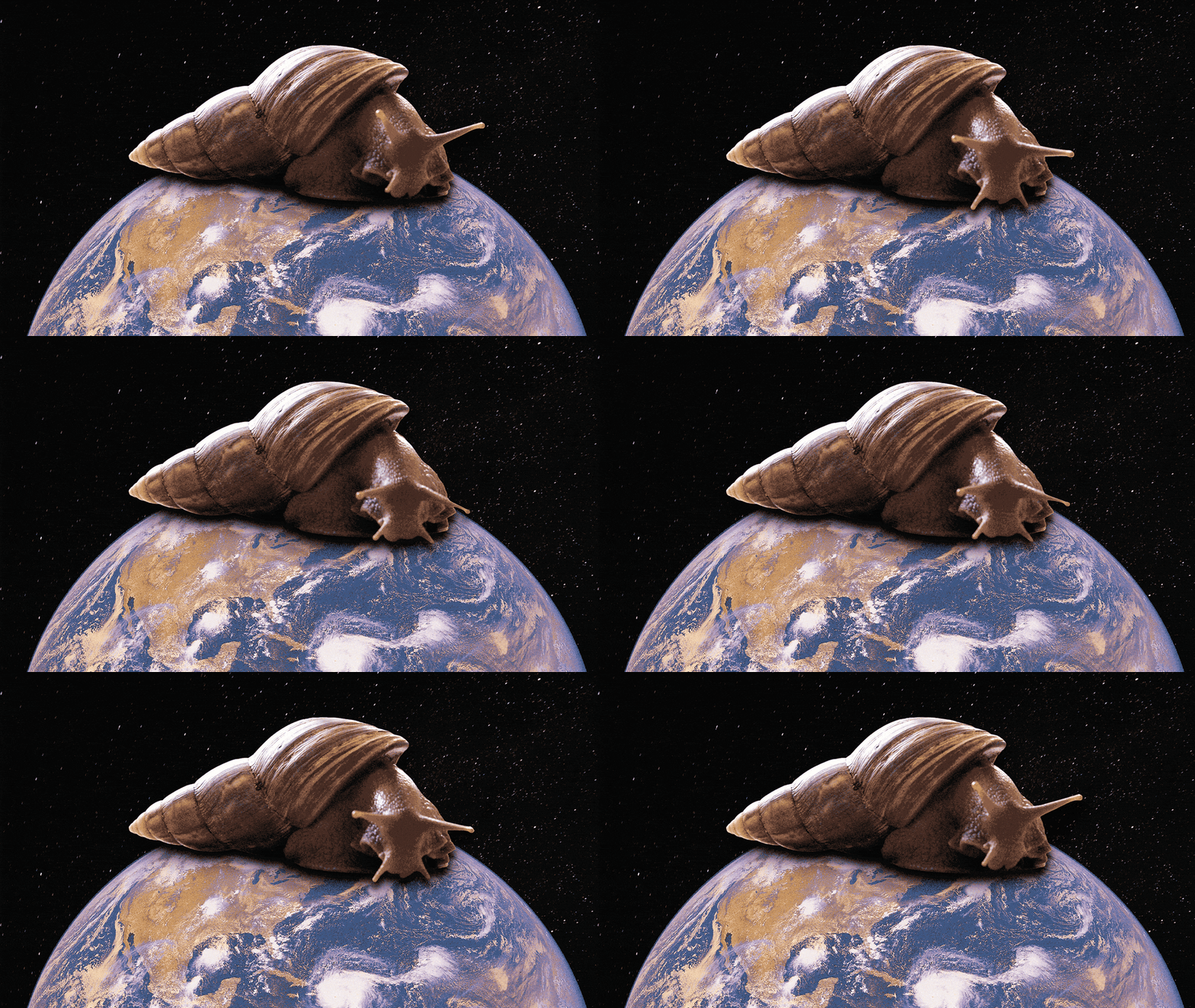
This image illustrates the physical appearance and movement of the Giant African land snail, which is the primary subject of the invasive species threat discussed in the opening paragraph.
The primary concern regarding GALS extends beyond physical damage to the spread of the rat-lungworm parasite. This parasite can infect humans, pets, and livestock; in humans, the worms can burrow into the brain, potentially causing coma or death. While human cases are rare, researchers in Brazil have noted a tick upward in infections in regions where the snails are widespread. The snails' ability to hitchhike with humans makes them a high-priority 'firewall' issue for authorities. If they spread further inland or into protected ecosystems like the Everglades, the ecological and public health consequences could escalate significantly. Because the snails thrive in warm, wet conditions, climate change is expected to expand their potential range globally.
Management of these snails is complex and has occasionally led to unintended consequences. In Hawaii, an early attempt to control the population by introducing carnivorous snails resulted in the extinction of more than half of the island's endemic land snail species. Currently, Florida authorities use a combination of baiting, soil treatment with anti-mollusk poisons, and public awareness campaigns to contain the spread. While some researchers observe that snail populations may eventually stabilize or shrink in size after settling into a new territory, the immediate threat remains high. In many areas, such as Brazil, the snails have already become so pervasive in urban and rural environments that large-scale eradication is no longer considered feasible, highlighting the difficulty of reversing a successful biological invasion once established.
The spread of GALS is often driven by human activity, ranging from intentional introductions for the pet trade or as a food source to accidental transport. In Brazil, an attempt to create a market for giant escargot led to the snails being discarded in streets and rivers, where they quickly multiplied. Because harboring these snails without a permit is illegal in the United States, federal and state agencies continue to confiscate them from various sources. The ongoing challenge for authorities is to prevent these 'cancers' from festering in new areas, requiring constant monitoring and a multi-year commitment to ensure a zone is truly cleared of the infestation.
The situation serves as a case study in the difficulties of managing invasive species in a globalized world. While the snails are currently contained in specific urban blocks in Florida, the risk of them reaching national parks or protected wetlands remains a primary concern for state officials. The trade-off in management strategies—such as the risk of introducing a secondary invasive species to kill the primary one—remains a critical consideration for scientists and policymakers tasked with protecting local biodiversity and public health.
The evidence provided by the Atlantic highlights the specific mechanisms of the snails' impact, such as their diet and shell-building habits, and the specific public health risks associated with the rat-lungworm. However, the source does not provide specific data on the current infection rates in Florida or the exact percentage of native species lost in Hawaii beyond the general 'more than half' figure. Furthermore, while the source mentions that snails may eventually 'die down' in size, it does not provide a specific timeline or the biological mechanism for this reduction in size.
The primary source establishes that GALS are a major invasive threat in Florida and Brazil, and that they carry the rat-lungworm parasite. It also details the specific damage they cause to crops and infrastructure, such as puncturing tires and eating stucco.
The primary source also describes the historical context of the Florida infestations and the specific methods used by the Division of Plant Industry to treat and monitor infested areas. It further explains the unintended ecological consequences of previous control efforts in Hawaii.
Editorial-angle research: 1. What are the specific mechanisms by which these snails damage infrastructure and agriculture? The source explains that they eat crops like beans and melons, puncture tires with their shells, and consume stucco for minerals. 2. What is the specific public health risk associated with these snails? The source identifies the rat-lungworm parasite, which can cause brain infections in humans. 3. What are the trade-offs and unintended consequences of management strategies? The source highlights how introducing carnivorous snails in Hawaii led to the extinction of native species.
Evidence Mapping: - Claim: GALS are a hazard to agriculture and infrastructure (e.g., eating crops, puncturing tires, eating stucco). Source: primary. - Claim: GALS carry the rat-lungworm parasite which can cause brain infections in humans. Source: primary. - Claim: Management in Hawaii led to the extinction of over half of the endemic land snail species. Source: primary. - Claim: Florida authorities use baiting, soil treatment, and public awareness to manage the snails. Source: primary.