On March 23, 2026, President Donald Trump reversed his earlier threat to strike Iranian power plants in a post on Truth Social. Minutes before that announcement, CFTC analysts in the Division of Market Oversight detected unusually large volumes of oil and equity‑index trades that would profit from the reversal, and they prepared a referral to the Division of Enforcement for a potential insider‑trading investigation.
This image shows the Truth Social post where President Trump reversed his threat to strike Iranian facilities, which triggered the suspicious trading activity detected by CFTC analysts.
The analysts based their referral on the timing of the trades—about 15 minutes before Trump’s post—and on the identity of the traders involved. In a two‑minute window starting at 6:49 a.m. New York time, contracts equal to at least 6 million barrels of Brent and WTI crude were sold, more than eight‑and‑a‑half times the typical premarket volume, while S&P 500 futures worth over $2 billion in notional value changed hands. Oil prices then fell as much as 14 % and U.S. crude dropped double‑digits, while U.S. and European equities rose roughly 4 % from their session lows.
However, Mel Gunewardena, a senior adviser to CFTC Chairman Michael Selig, instructed a supervisor to withdraw the analysts’ referral, a move described by former agency officials as without precedent and that disrupted the usual process where career staff gather data for enforcement to evaluate. After the intervention, the analyst team was effectively sidelined—the supervisor left the agency and other members resigned or were reassigned—while the CFTC said it would pursue a broader international market review and the Justice Department opened a parallel probe.
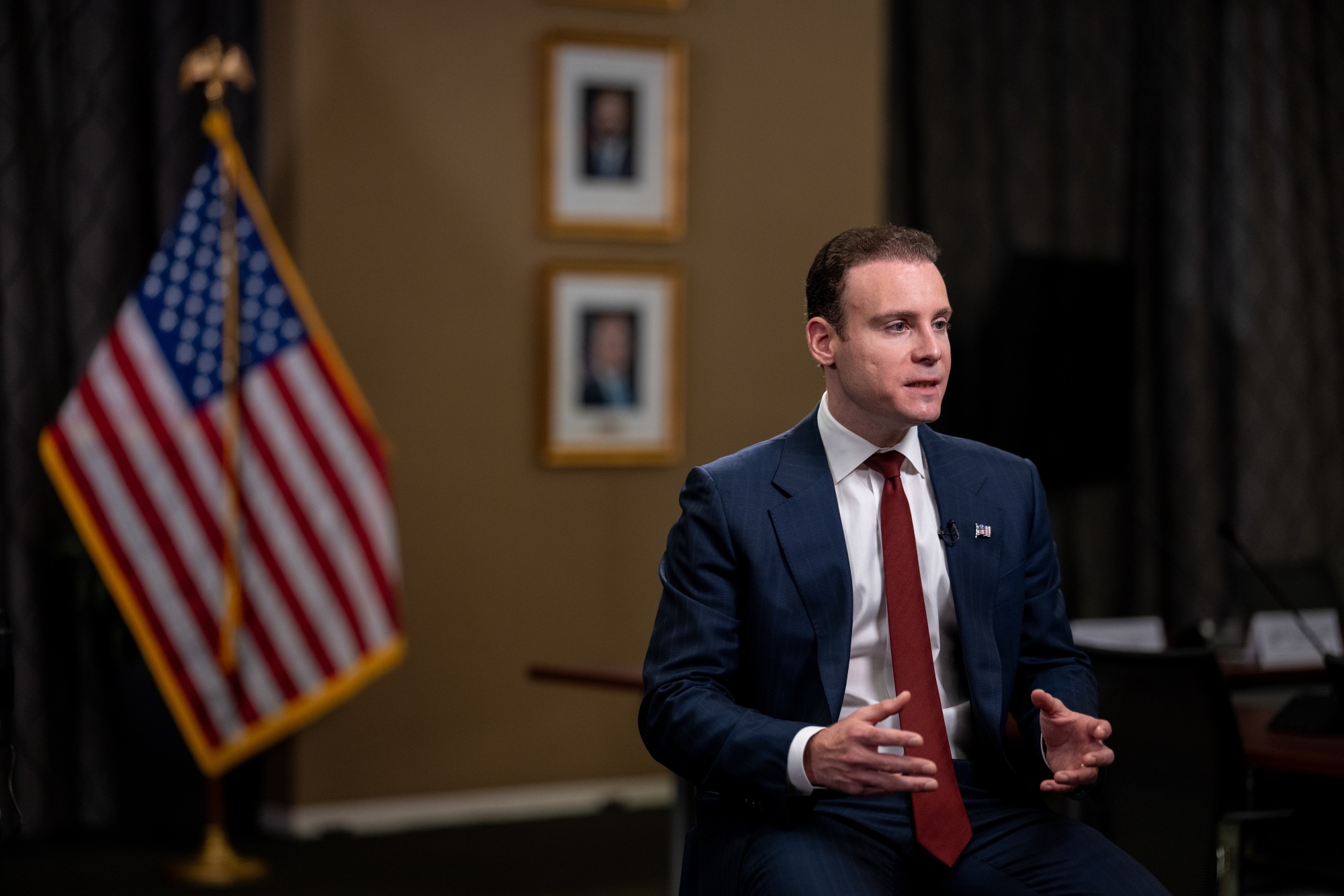
This image shows Michael Selig, Chairman of the CFTC, whose senior adviser Mel Gunewardena directed the withdrawal of analysts' referral regarding suspicious Iran-related oil trades.