The Lightbulb Computer is a prototype device that combines a projector with computer vision hardware inside the shape of a large lightbulb. According to the project description by Guillaume Ardaud, the form factor allows it to be screwed into a standard Edison socket for permanent ceiling or wall mounting, or placed in a portable battery-powered base for mobility on desks or around the house. This design leverages the near-ubiquitous availability of lightbulb fixtures worldwide to enable room‑scale projection without requiring users to wear or hold a device.
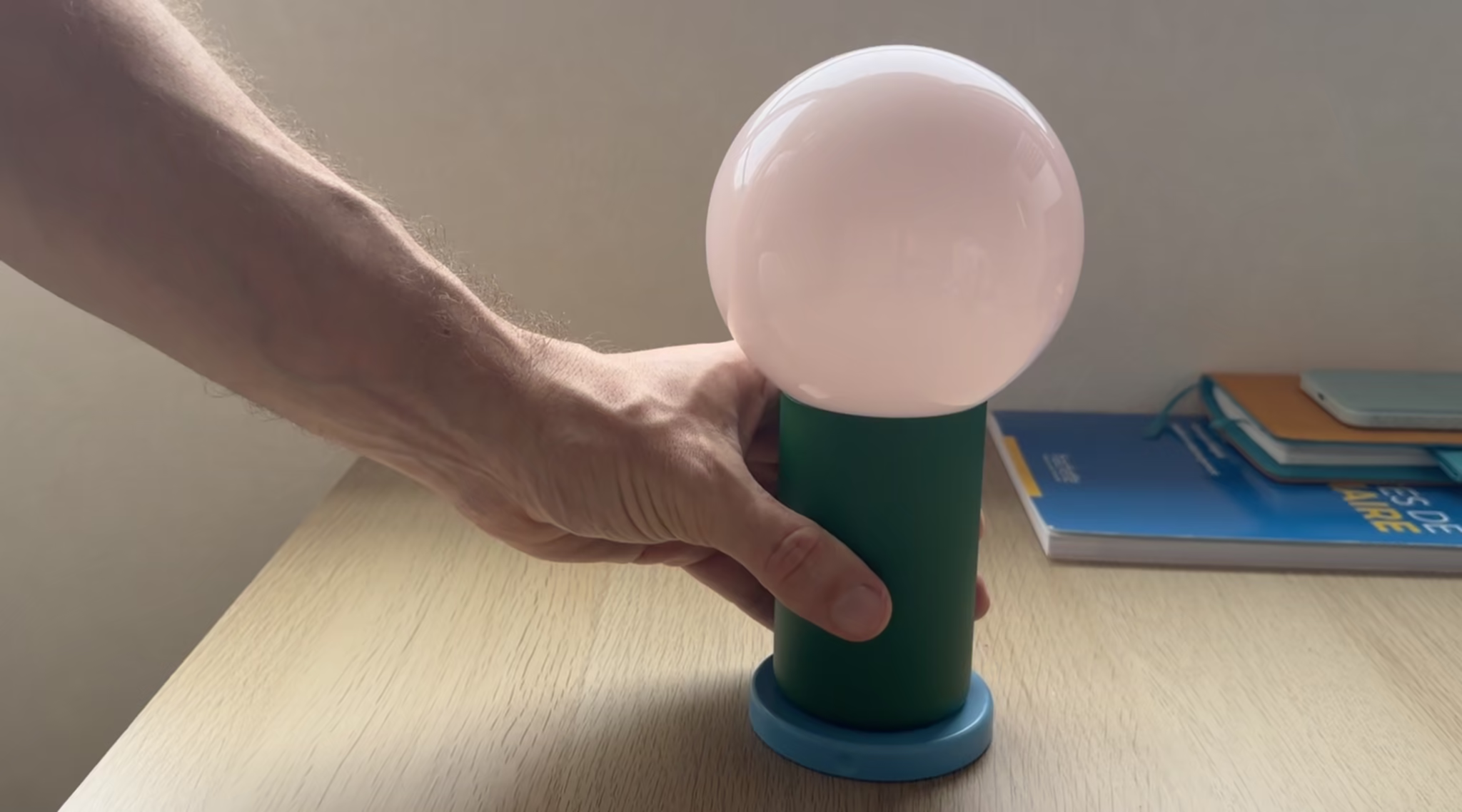
This shows the portable battery-powered base mentioned in the article, enabling mobility for the Lightbulb Computer form factor.
The system accepts voice commands, detects where the user points, analyzes what its camera sees, and projects relevant digital content and highlights onto surfaces in the environment. Example use cases described by Ardaud include displaying recipes and timers on kitchen counters while cooking, showing shared maps for trip planning, projecting photos from a phone onto any surface, enabling board‑game play with virtual tokens, controlling smart‑home devices by pointing at them, and providing ambient displays such as time, weather, or calendar information next to a bed. The device can also augment physical objects—for instance, overlaying weather information on a 3D map of the local area or highlighting a forgotten mountain village on that map.
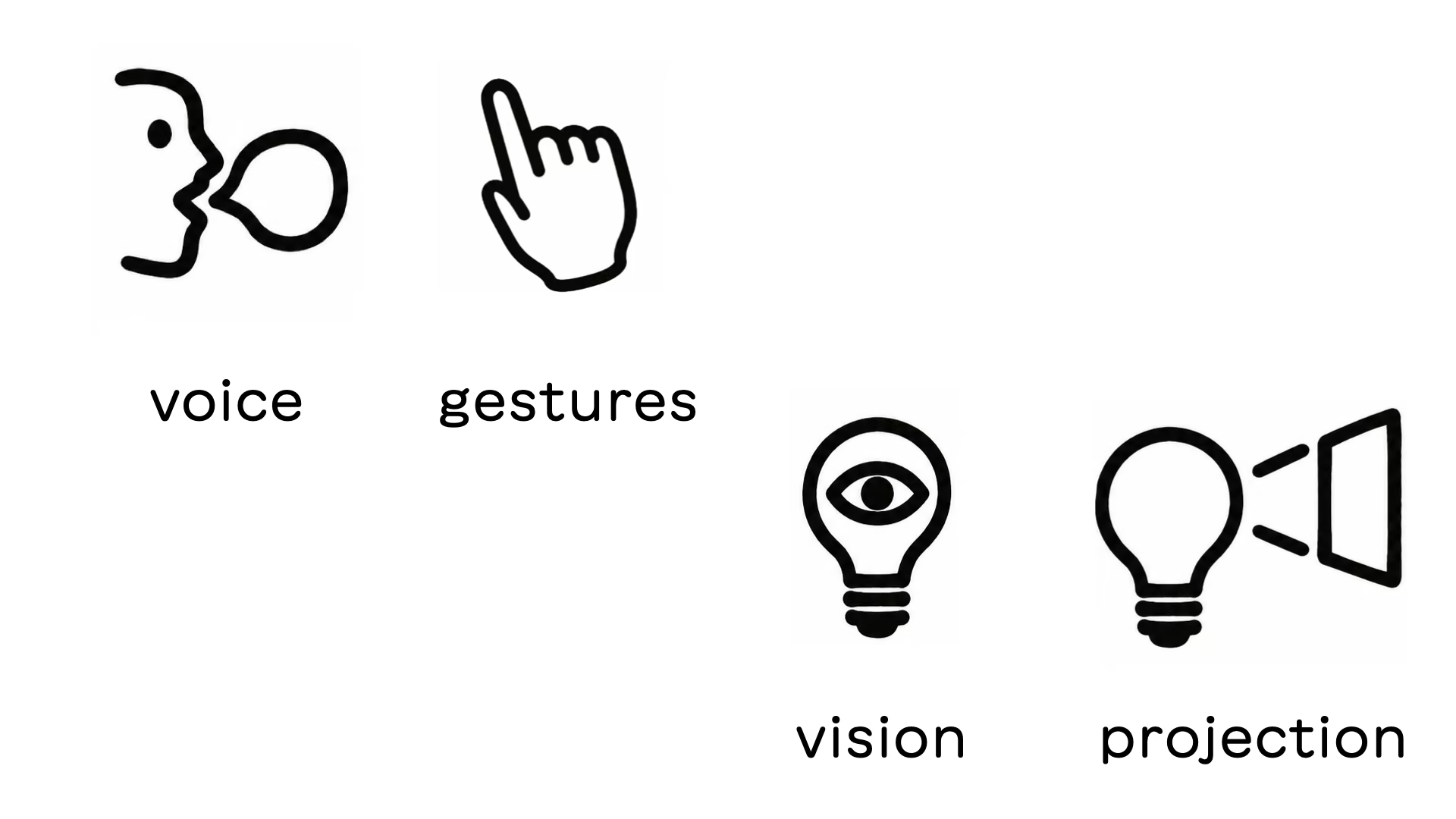
Illustrates the four modalities described in the article: accepting voice commands, detecting pointing (gestures), analyzing camera vision, and projecting digital content.
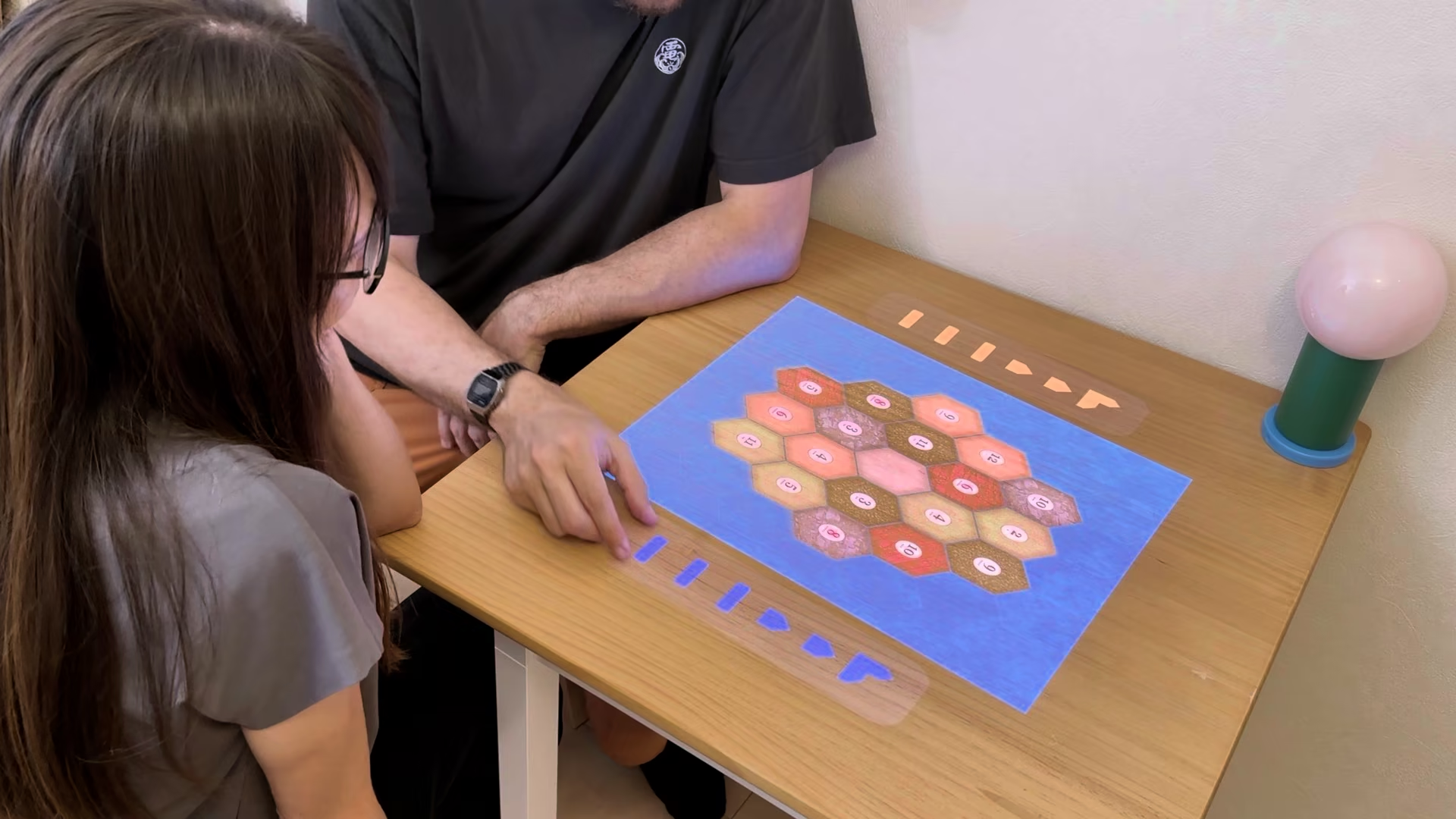
Matches the article’s example of enabling board‑game play with virtual tokens projected onto surfaces.
Ardaud positions the Lightbulb Computer as an alternative to both screen‑based computing (which he describes as addictive, antisocial, and offering a reductive view limited to a small pane of glass) and eyewear‑based computing (such as VR/AR headsets), which he finds constraining, socially awkward, and limited by power, computation, and thermal constraints due to the need to be lightweight and worn on the face. He acknowledges that the technology is not yet mature enough for a consumer version today, but notes recent advances in computer vision and projector technology—specifically bright, high‑resolution, small‑footprint laser projectors—make the concept increasingly feasible, while privacy would need to be addressed through on‑device processing, hardware guardrails, indicator lights, and physical lens covers.
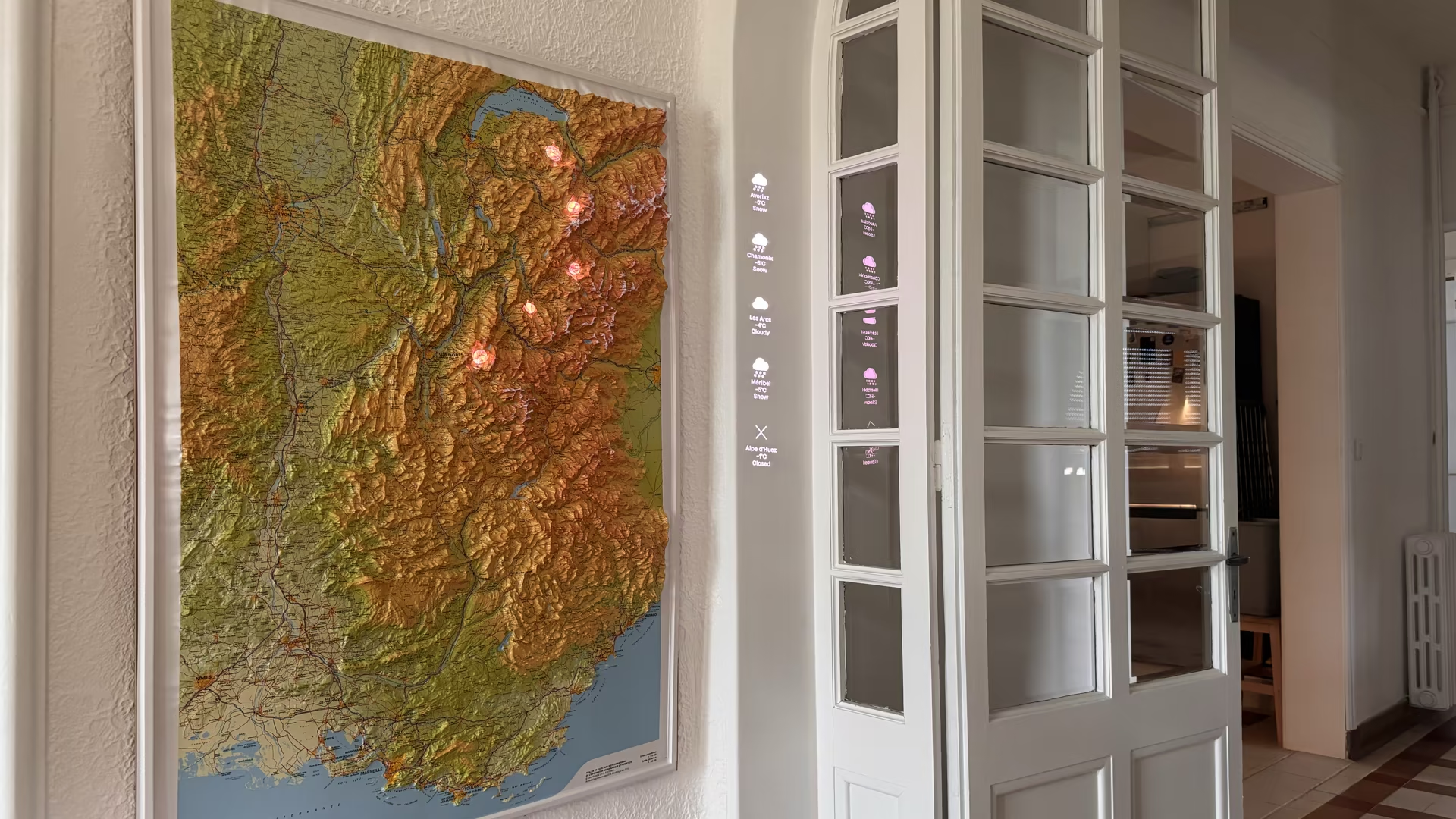
Shows augmenting physical objects by overlaying weather data on a 3D map, as described in the article.