After more than 60 years of uncertainty, two independent teams identified the genetic change responsible for orange fur in cats. A 5‑kilobase deletion located upstream of the Arhgap36 gene on the X chromosome was present in every orange cat examined among a sample of 188 felines and absent in non‑orange individuals.
Skin cells that produce orange fur show about 13 times more Arhgap36 RNA than cells from cats lacking orange hair. The deletion lies in a non‑protein‑coding regulatory region, boosting Arhgap36 activity without altering the protein‑coding sequence. Increased Arhgap36 expression in developing and mature melanocytes suppresses the synthesis of dark eumelanin pigment and favours production of the lighter pheomelanin pigment, yielding the characteristic red‑yellow hue.
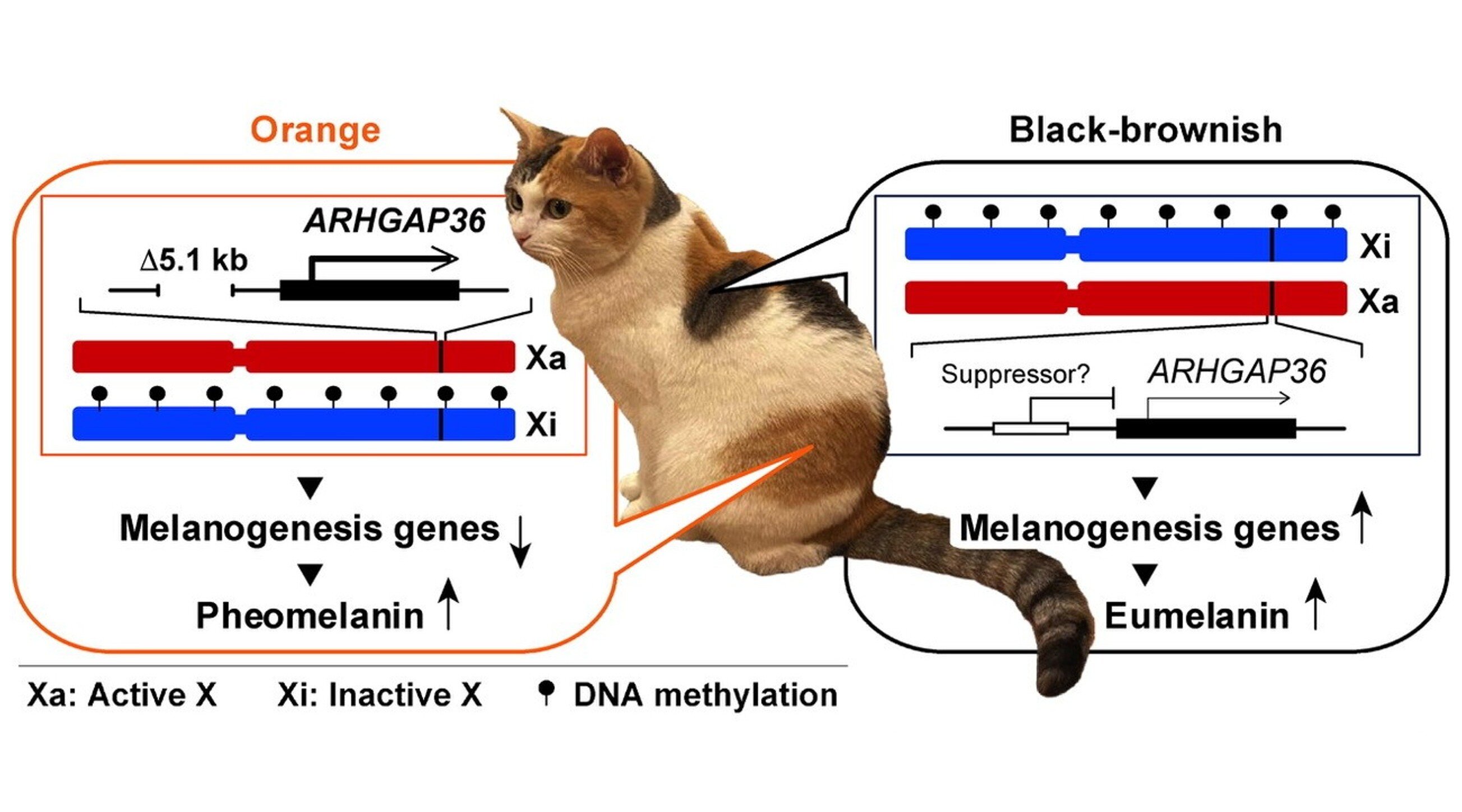
This diagram illustrates the key molecular mechanism discovered by researchers: a regulatory deletion increases Arhgap36 expression in melanocytes, which suppresses dark eumelanin production and favors lighter pheomelanin, creating the orange fur phenotype.
Because Arhgap36 resides on the X chromosome, the trait is sex‑linked: male cats, with a single X chromosome, need only one copy of the deletion to be orange, whereas females must inherit the mutation on both X chromosomes to display a solid orange coat; otherwise, random X‑inactivation creates the patchwork patterns seen in tortoiseshell and calico cats.
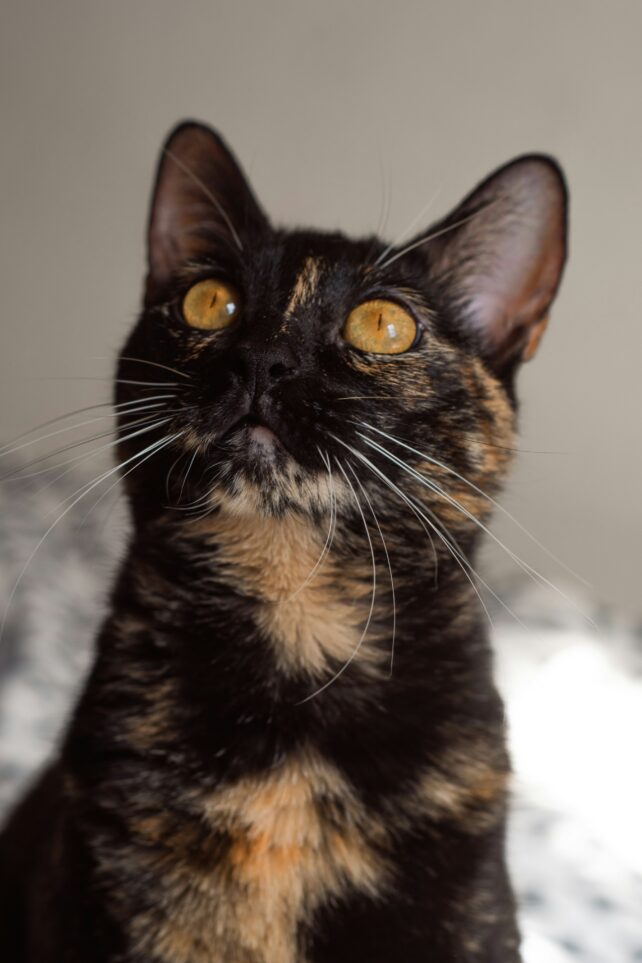
This image shows the tortoiseshell pattern referenced in the article that occurs when heterozygous female cats express the orange gene in some skin patches but not others due to random X-inactivation, creating the characteristic mottled appearance.
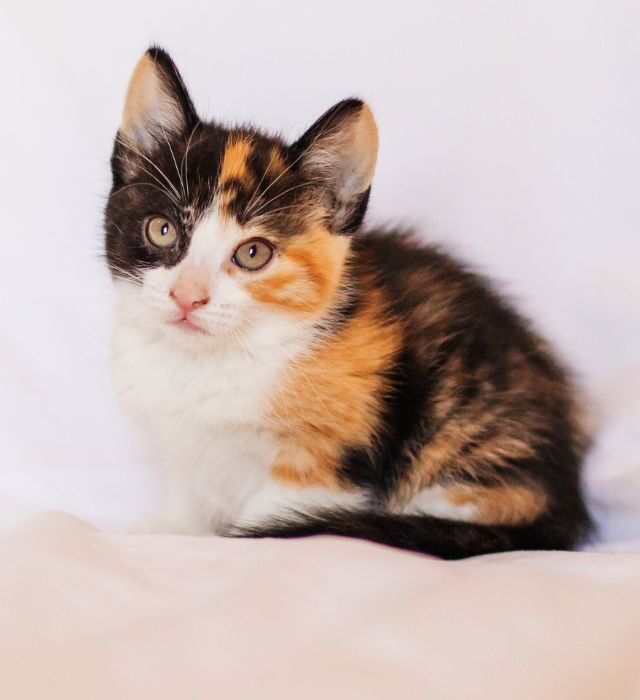
This image demonstrates the calico pattern mentioned in the article, which like tortoiseshell arises from X-inactivation in females but includes additional white spotting from a different genetic locus, creating the three-color coat.
Although Arhgap36 over‑ or under‑expression can cause developmental problems in other animals, in orange cats the heightened activity is restricted to melanocytes, with no apparent negative effects on health or cognition. The findings from both teams have been published in Current Biology, providing the first definitive genetic explanation for a coat colour that has fascinated cat owners for thousands of years.