The Xbox 360 was widely considered resistant to conventional software-based hacking because Microsoft designed its security architecture to be robust. The system's entry point, known as 1BL, is physically baked into the CPU's silicon. Its primary role is to load the next phase of the bootloader from flash storage and verify that it carries a valid Microsoft signature. Because this process is hardware-integrated and requires specific cryptographic keys, software-only approaches to run unsigned code are largely ineffective. As the console boots, it cascades through various security phases, each adding more layers of protection to the boot chain.
To circumvent these protections, researchers turned to fault injection, a method that targets the fundamental physical requirements of computation: stable energy conditions. By very quickly toggling a reset signal on the CPU (CPU_RESET), researchers discovered they could cause the processor to execute instructions incorrectly rather than resetting. This provided a primitive to target the signature verification process. Specifically, an 'mr' (move register) instruction could be glitched into ignoring its intended value and instead moving a zero into the destination register. By precisely timing these 'glitches,' attackers can gain arbitrary code execution by subverting the logic that validates the software's integrity.
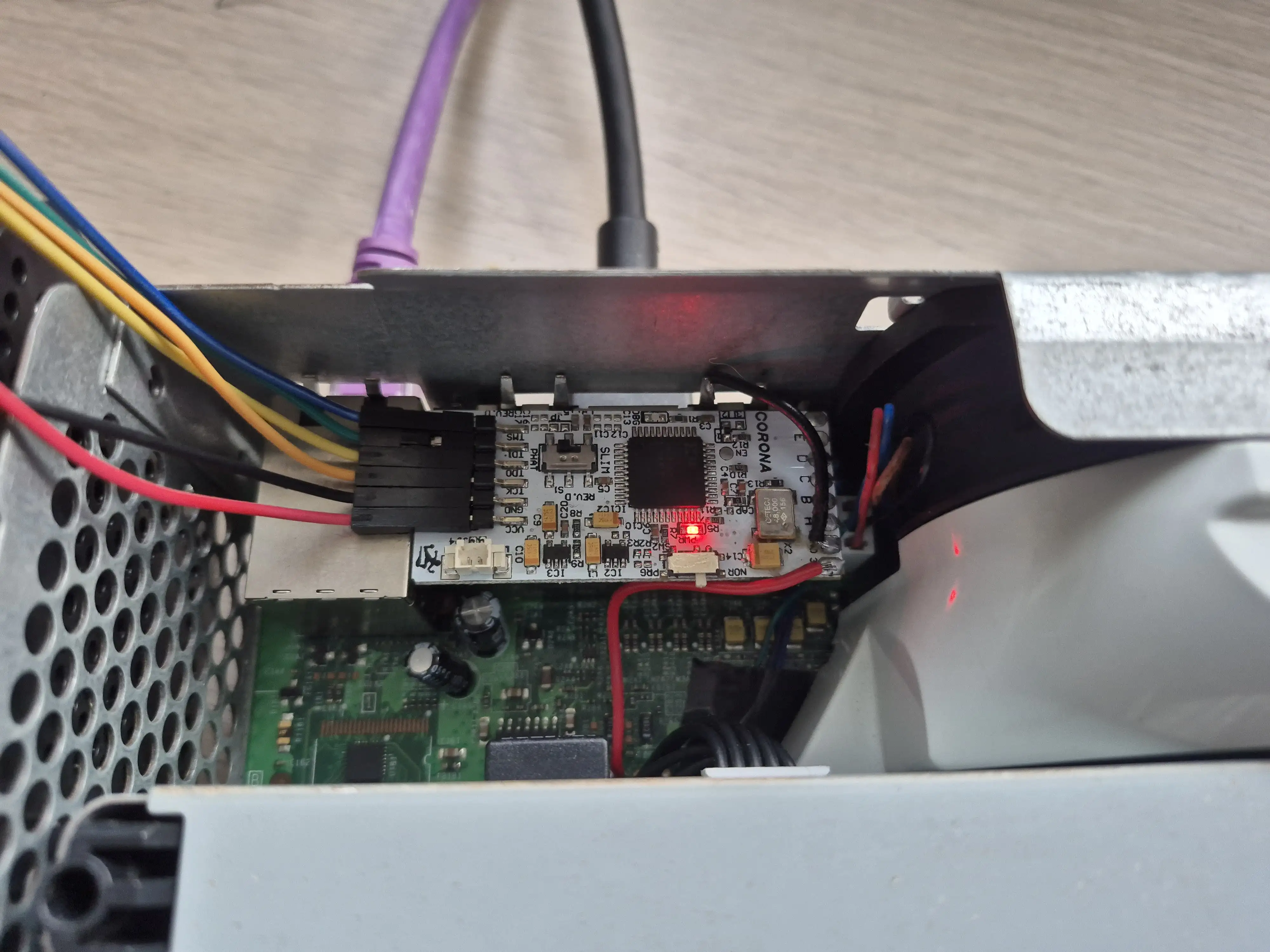
This image illustrates the physical setup required to perform fault injection on the Xbox 360 hardware.
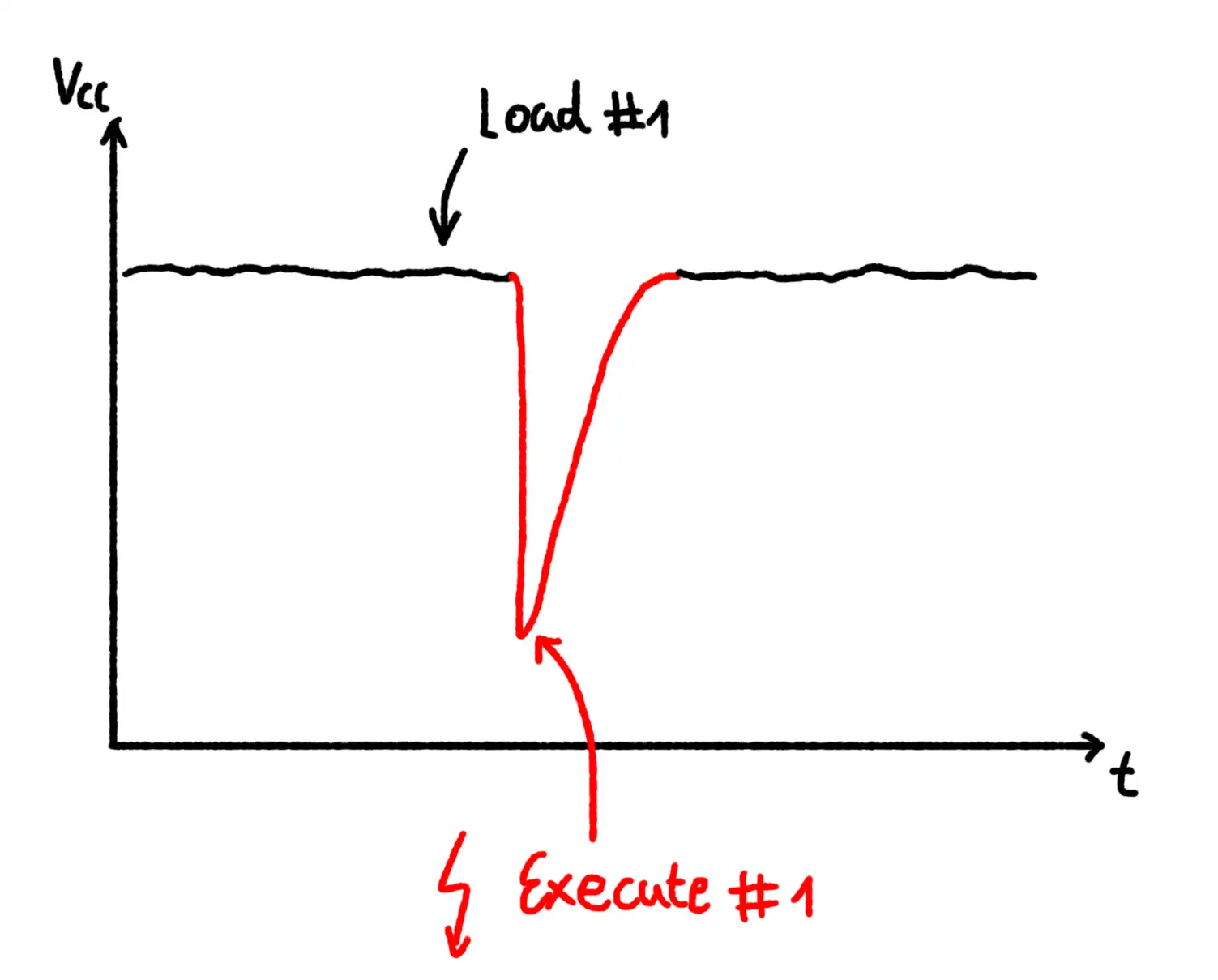
This visual represents the general concept of fault injection discussed in the second paragraph.
While this specific exploit was achieved years ago, the author notes that fault injection is becoming a more prominent threat as software security hardens. Modern systems, including the ESP32 v3 and various Raspberry Pi Pico implementations, have shown vulnerability to similar fault injection attacks. The accessibility of these attacks has increased significantly due to the availability of low-cost, high-precision microcontrollers. For example, the Raspberry Pi Pico's PIO blocks allow for timing resolutions of approximately 7.5 nanoseconds, making it a versatile tool for DIY fault injection. This shift suggests that as software-based 'locks' become more sophisticated, attackers are increasingly looking for ways to 'hit the guard' by disrupting the underlying hardware's physical stability.