The Analog Thing simulator by Pavel Krivanek provides a web-based implementation of analog computer principles, enabling users to experiment with analog circuit simulations through JavaScript in a browser environment. This tool addresses the educational niche of teaching analog computing concepts without requiring physical kits or specialized laboratory equipment. The simulator implements core analog computing operations such as addition, multiplication, integration, and coefficient manipulation using digital signal processing techniques to emulate the behavior of operational amplifiers and other analog components. Users can configure virtual circuit patches by connecting various modules through the browser interface, observing real-time outputs that mimic voltage behaviors in physical analog systems. The project draws inspiration from historical analog computers while leveraging modern web technologies to create an accessible learning platform. Key features include adjustable parameters for simulating different time scales, visualization tools for monitoring virtual voltage signals, and pre-configured examples like lunar lander demonstrations that showcase the simulator's capability to model dynamic systems through analog computational methods. The browser-based nature eliminates barriers to entry associated with physical analog computer kits, making analog experimentation available to anyone with a standard web browser and internet connection. While physical kits like EngineersNeedArt's Anna offer tangible hands-on experience with actual electronic components, browser simulators provide complementary advantages in accessibility, cost-effectiveness, and ease of distribution for educational purposes. The simulator represents a modern approach to preserving and teaching analog computing principles that were foundational to early electronic computation before the dominance of digital systems.

While physical kits like EngineersNeedArt's Anna offer tangible hands-on experience with actual electronic components, browser simulators provide complementary advantages in accessibility, cost-effectiveness, and ease of distribution for educational purposes.
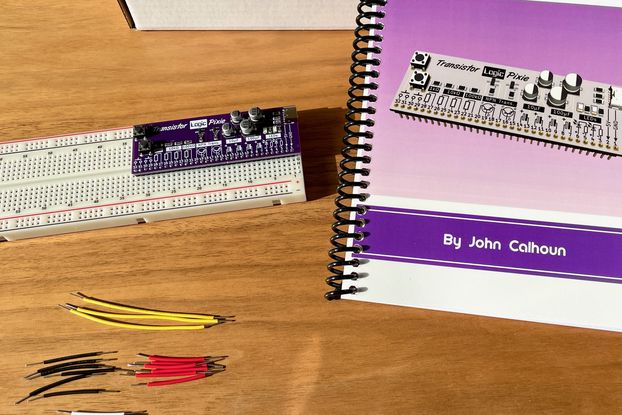
The article mentions physical kits like EngineersNeedArt's Anna as offering tangible hands‑on experience with actual electronic components, contrasting with browser‑based simulators.
The discussion cues mention the Lunar Lander example as a fascinating demonstration that takes patience to set up but is truly fun to operate. Users have expressed personal fascination with analog computers in various forms, noting connections to pinball machines, electronic music synthesizers, and even flowerbeds as potential applications for gravity/water-based analog systems. One comment references having spent nearly a lifetime attached to digital systems while maintaining interest in alternative analog implementations. Another discusses the perverse yet functional nature of simulating continuous-time differential equations on discrete clock cycles within a JavaScript engine.
A reviewer noted that the simulator took approximately two weeks to work through the manual and kit equivalent, representing a fast track to understanding analog computing principles that might otherwise require more extensive study. The comment indicates the developer spent close to an order of magnitude more to develop their own analog computer after being initially put off by the price of commercial options like The Analog Thing.