Jonathan, an Aldabra giant tortoise (Aldabrachelys gigantea), is believed to have hatched around 1832 in the Seychelles archipelago, making him approximately 194 years old and the oldest known living land animal. He was brought to the remote island of Saint Helena in the 1880s as a gift to the British colonial governor and has resided at the governor’s residence, Plantation House, ever since.
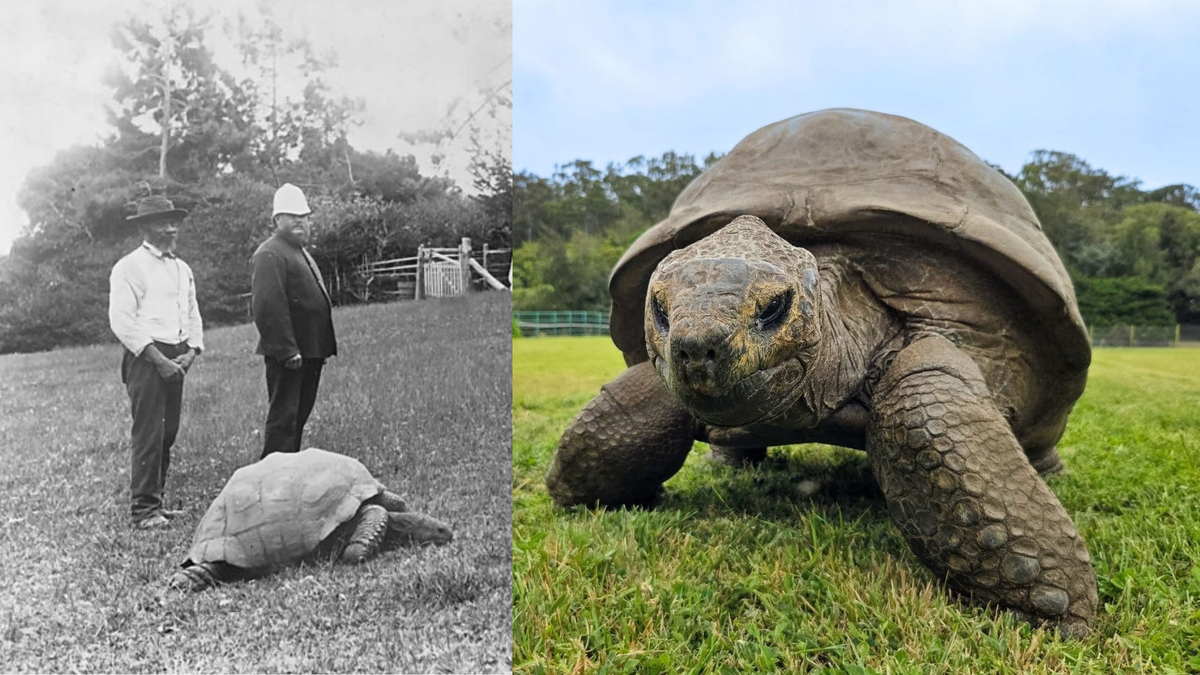
This image shows Jonathan, whose genome was sequenced to study extreme longevity in Aldabra giant tortoises
To explore the basis of his extreme longevity, scientists sequenced Jonathan’s genome using cheek swabs, avoiding a risky blood draw. The analysis revealed “unique gene variants in most aging pathways,” including those involved in DNA repair, insulin regulation, and mitochondrial function. Additionally, the subset of his methylome related to mitochondrial processes showed unusually low entropy, resembling that of a five‑year‑old tortoise and suggesting these pathways may play a special role in his advanced age.
While the findings point to promising genetic mechanisms, researchers emphasize that more work is needed to untangle the complex web of genetic components that influence aging and lifespan. The study does not yet provide actionable insights for human health, and follow‑up research will be required to determine how these specific variants contribute to Jonathan’s remarkable longevity.