On 14 January 2026, a construction crew at a Plymouth building site unearthed a 50‑kilogram German bomb buried more than four metres underground, while hours later the crew of a dredging vessel in Exmouth Marina hauled a 250‑kilogram bomb onto its deck. The simultaneous discoveries prompted the 11 Explosive Ordnance Disposal and Search Regiment (11EOD) to deploy teams to both locations, underscoring that unexploded Second World War munitions continue to surface decades after the conflict.
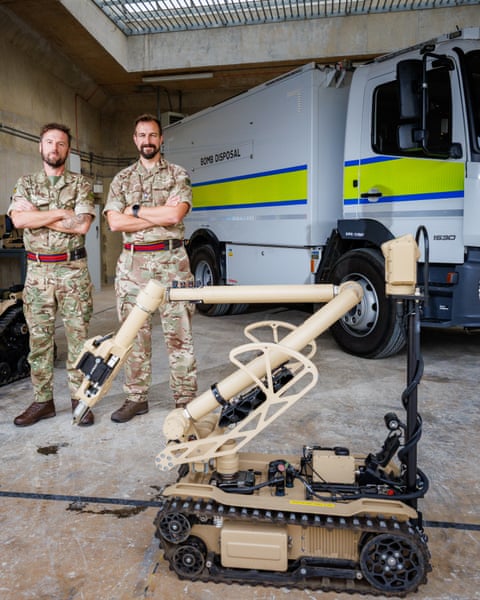
The article describes how 11EOD deployed teams to Plymouth and Exmouth Marina after the discovery of unexploded bombs, and this image shows members of the regiment with their disposal equipment.
The first step in rendering either device safe is to examine its fuze, the mechanism that triggers detonation. Operators look for a metal cylinder screwed into the bomb’s side; inside, explosives fire a tiny detonator that sets off a booster charge, which then ignites the main explosive filling. If the fuze is judged too sensitive or unstable, the safest course is to surround the bomb with sandbags and detonate it in place; if the fuze appears stable enough to withstand movement, the device can be relocated—often out to sea—for controlled destruction.
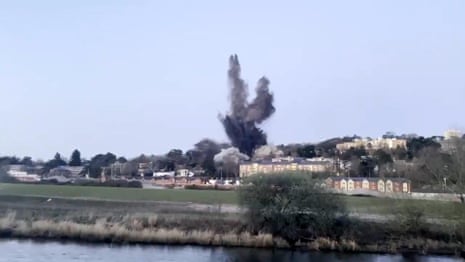
The article explains that if a bomb's fuze is too sensitive, the safest course is to surround it with sandbags and detonate it in place after evacuating the area, as shown in this image from Exeter.
Eighty years of corrosion, mud and shifting ground have rendered many of these fuzes nearly impossible to read visually. In Plymouth, bomb‑disposal operator PO Scott Dooley found the fuze so degraded that “none of the markings were visible” and concluded it would need X‑ray examination. As Lt Col Andy Hambley, commanding officer of 11EOD, noted, “You don’t really know why [a particular bomb] didn’t function… Years of corrosion, shifting ground and rust make the fuzes less predictable, the machinery harder to read.” This aging effect means that what might once have been a straightforward mechanical check now often requires radiography or other technical intervention.