### Reviving the Blackbird
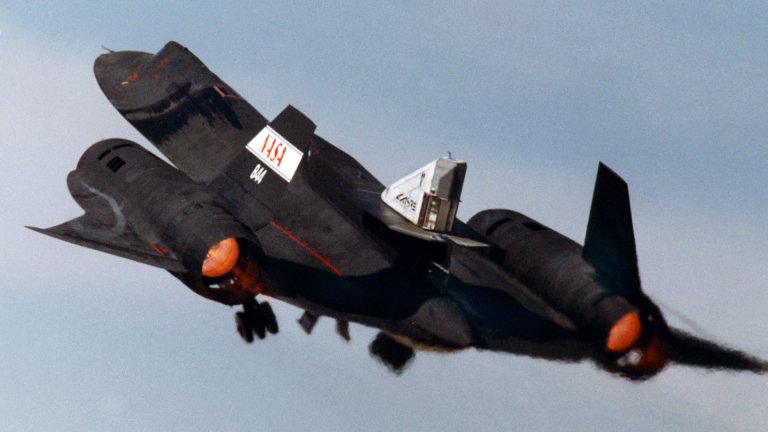
Illustrates the discovery that prompted public awareness of NASA's revival effort; the aircraft had been on outdoor display for years before being moved for inspection.
NASA is quietly pursuing a project to bring back the SR‑71 Blackbird, specifically tail number 844, which has been stored at the Armstrong Flight Research Center for 27 years. The effort came to light after satellite imagery showed the aircraft had been missing from the facility since at least May 2026, a discovery first noted by Aviation Week defense editor Steve Trimble.
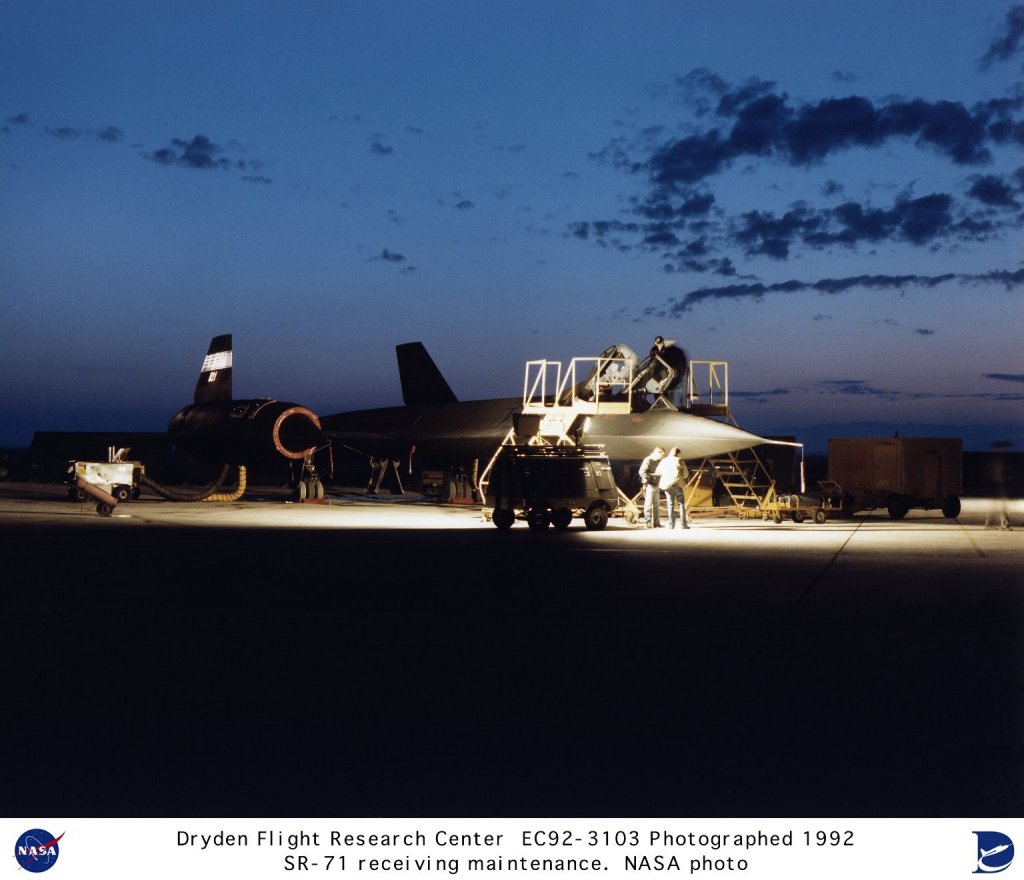
Shows the actual airframe now targeted for revival in its previous NASA research configuration, matching Conners' description of his propulsion-engineering role.
### Engineer’s perspective
Tim Conners, who served as lead propulsion engineer on NASA’s Blackbird program in the early 1990s and later supported flight testing until 1998, gave an exclusive interview to The War Zone (TWZ). Now technical director for advanced weapons systems at Tiberius Aerospace, Conners describes how the aircraft arrived at NASA when the Air Force retired the fleet, and his role in preparing the agency for research flights in the mid‑1990s. He explains that the Blackbird’s unique speed and altitude capabilities make it a rare platform for certain types of experimentation.
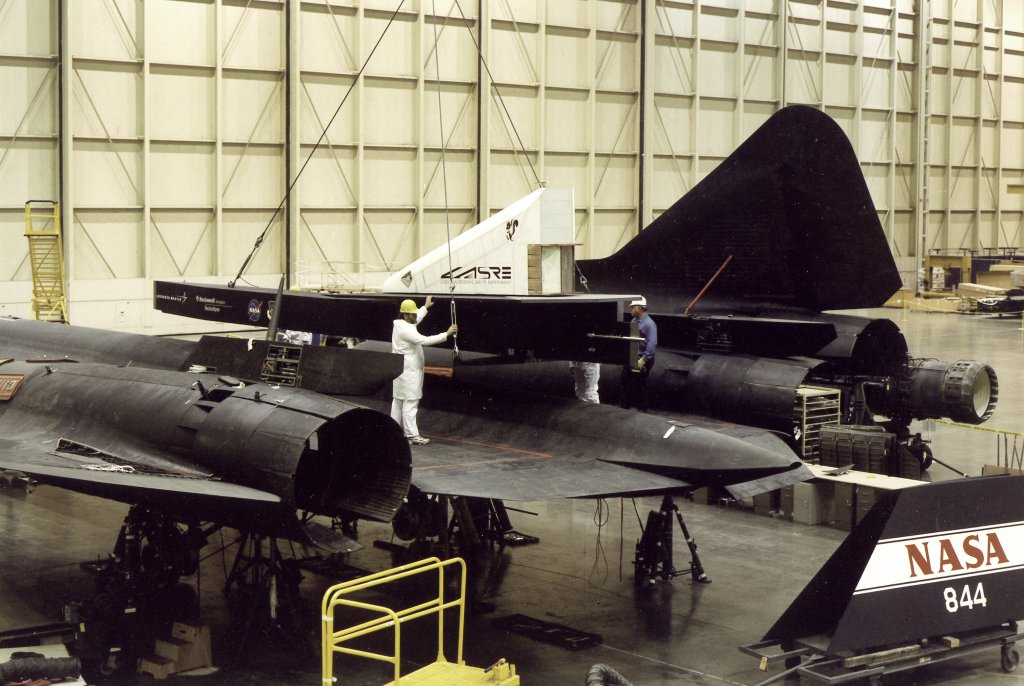
Directly illustrates the article's mention that NASA previously modified this airframe to carry the LASRE pod, establishing precedent for structural changes.
### Why bring the Blackbird back?
Conners says the primary motivation is not aerodynamic research—computational fluid dynamics can model the speed regime adequately—but rather the need to test new high‑Mach propulsion systems in a real‑world airframe. "You cannot do an accurate representation of a new type of engine integrated into a high‑speed airframe" through modeling alone, he notes. The aircraft could serve as a test bed for large, man‑rated engines such as a J58‑class unit, which would be difficult to evaluate on a drone or small test platform.
### Current status and hurdles
- **Visual inspection performed:** NASA has already cracked open the bays, inspected the interior, and confirmed the airframe passes a visual airworthiness check. - **Engines:** The original Pratt & Whitney J58 engines have sat idle for 27 years and are considered unserviceable based on inspection; restart attempts have not been reported. - **Fuel:** The distinctive JP‑7 fuel that powered the Blackbird was stockpiled in the early 1990s but was discarded about 20 years ago. Conners indicates that talks with refineries are underway to develop a surrogate or replacement fuel. - **Timeline:** Conners mentions that power‑on testing—applying external power to the airframe to check which systems still function—was expected "within the next couple weeks" at the time of the interview. - **Possible modifications:** The airframe could be modified, as NASA did in the 1990s to carry the Linear Aerospike Rocket Engine (LASRE) pod, but the scale of any modification remains unclear.
### Unknowns
- Exactly who within NASA is leading the revival effort and whether a formal offer has been made to Conners or other retirees. - Whether a suitable JP‑7 surrogate will be ready in time for any flight test. - The final configuration—whether the aircraft will fly largely as‑is or receive extensive structural or avionics upgrades.
The article reflects Conners’ insider account and does not independently verify NASA’s engineering decisions or regulatory approvals.